Unlocking a Fresher, Healthier Smile: How Probiotics Supercharge Your Oral Hygiene
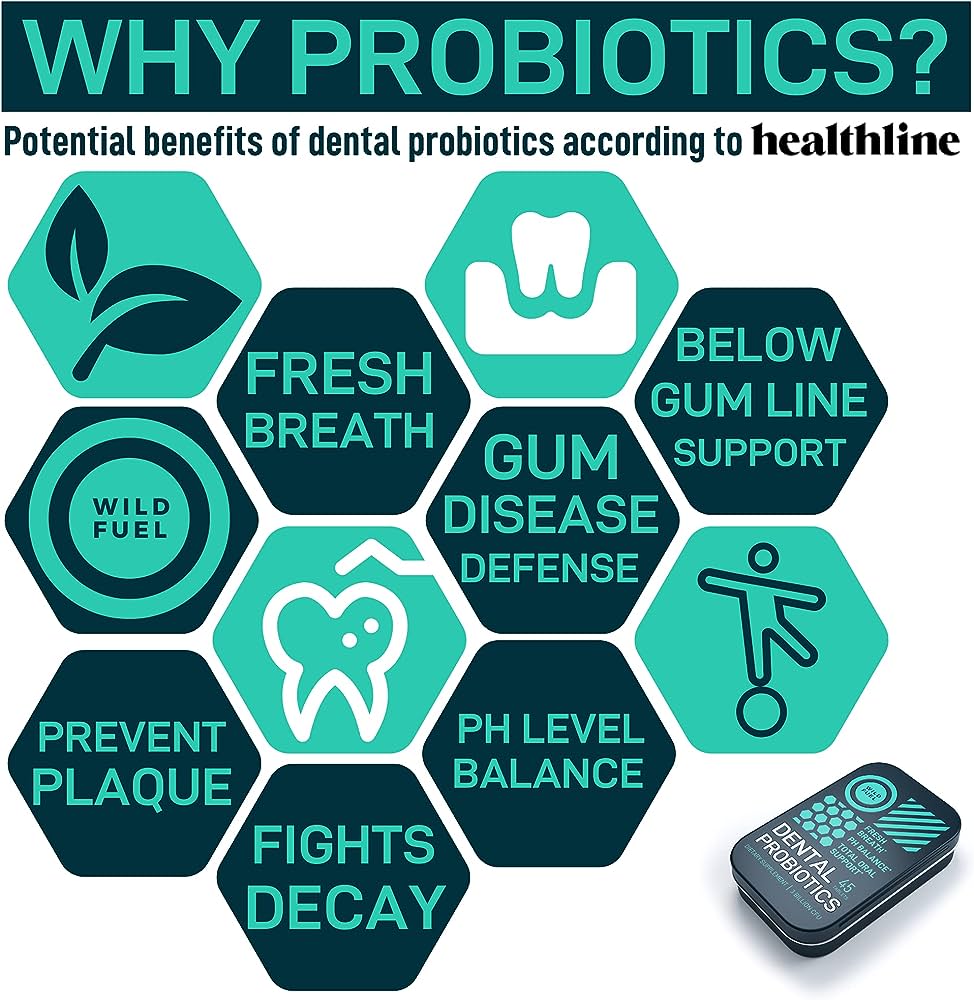
Let's be honest, nobody loves that morning breath feeling. And while brushing and flossing are non-negotiable parts of a good oral hygiene routine, sometimes you need that extra boost to really conquer bad breath and keep your gums happy. That's where the amazing world of probiotics comes in! They're not just for your gut anymore; these beneficial bacteria are proving to be powerful allies in the fight for a healthier, happier mouth.
You might be thinking, "Probiotics? In my mouth?" Yes, really! Just like your gut needs a balanced microbiome (the ecosystem of bacteria living in your body), your mouth does too. And when that balance gets disrupted, things can go south fast, leading to bad breath, gum disease, and even cavities.
Understanding the Oral Microbiome and its Importance
Your mouth is a bustling city of bacteria, both good and bad. The "good guys" help maintain a healthy balance, preventing the overgrowth of harmful bacteria that cause problems. However, various factors can disrupt this delicate equilibrium: poor diet, stress, illness, even certain medications. When the bad bacteria get the upper hand, they produce smelly compounds (volatile sulfur compounds, or VSCs, are the main culprits behind bad breath!), contribute to gum inflammation (gingivitis), and can eventually lead to more serious conditions like periodontitis (gum disease) and tooth decay.
The Role of Good Bacteria in Oral Health
Think of beneficial oral bacteria as your tiny, microscopic dental hygienists! They work tirelessly to:
- Neutralize acids: Harmful bacteria produce acids that erode tooth enamel, leading to cavities. Good bacteria help counteract these acids, protecting your teeth.
- Inhibit the growth of harmful bacteria: They compete with bad bacteria for resources and space, keeping their numbers in check.
- Boost immune response: They help strengthen your mouth's natural defenses against infection.
- Reduce inflammation: They can help calm down inflammation in the gums, preventing or alleviating gingivitis.
How Probiotics Tip the Scales in Your Favor
Probiotics are live microorganisms that, when consumed in adequate amounts, confer a health benefit. By introducing beneficial bacteria into your mouth, you can help rebalance the oral microbiome and bolster your oral health defenses. Different strains of probiotics have different effects, but many show promise in improving oral hygiene.
Specific Probiotic Strains and Their Oral Benefits
Research is ongoing, but several probiotic strains have demonstrated positive impacts on oral health. These include:
- Lactobacillus strains (like L. rhamnosus and L. casei): These are often found in yogurt and other fermented foods and have shown potential in reducing plaque and gingivitis.
- Streptococcus salivarius K12: This strain is specifically targeted for its ability to inhibit the growth of harmful bacteria responsible for bad breath and other oral issues. It's often found in probiotic lozenges and mouthwashes.
- Weissella cibaria: This strain exhibits antimicrobial properties and can help combat some of the bacteria associated with cavities and gum disease.
It's important to note that the research on probiotics for oral health is still developing, and more large-scale studies are needed to confirm the benefits of specific strains. However, the existing evidence is encouraging.
Different Ways to Incorporate Probiotics into Your Oral Hygiene Routine
There are several ways to introduce beneficial bacteria into your oral environment:
- Probiotic mouthwashes and lozenges: These products deliver a concentrated dose of beneficial bacteria directly to your mouth.
- Probiotic chewing gum: A convenient way to introduce probiotics throughout the day. Look for products that specify the types and amounts of probiotics included.
- Fermented foods: While not directly targeted to the oral cavity, consuming fermented foods like yogurt (especially those with live and active cultures), kefir, and sauerkraut can support your overall gut health, potentially impacting your oral microbiome indirectly.
- Probiotic toothpaste: Some toothpastes now include probiotics, offering a combined approach to cleaning and beneficial bacteria delivery.
Beyond Probiotics: A Holistic Approach to Oral Health
While probiotics can be a valuable addition to your oral care routine, it's crucial to remember that they aren't a magic bullet. They work best in conjunction with other good oral hygiene practices:
- Brushing and flossing: The cornerstone of good oral hygiene, removing food particles and plaque that feed harmful bacteria.
- Regular dental checkups: Professional cleanings and exams are vital for detecting and addressing potential problems early.
- Healthy diet: A balanced diet low in sugar and processed foods helps minimize the food source for harmful bacteria.
- Hydration: Drinking plenty of water helps wash away food particles and bacteria.
- Stress management: Chronic stress can negatively impact the immune system, potentially affecting oral health. Finding healthy ways to manage stress is essential.
Commonly Asked Questions
Q: Are all probiotic products created equal?
A: No. The quality and effectiveness of probiotic products vary widely. Look for products that specify the strains and number of colony-forming units (CFUs) per dose. Products with a higher CFU count generally indicate a greater concentration of beneficial bacteria.
Q: Can probiotics cause any side effects?
A: Generally, probiotics are considered safe, but some people may experience mild side effects such as gas or bloating, especially when first starting. These side effects are usually temporary.
Q: How long does it take to see results from using oral probiotics?
A: The timeframe varies depending on the individual and the product used. Some people may notice improvements in breath freshness or gum health within a few weeks, while others may need longer to see significant changes. Consistent use is key.
Q: Can probiotics replace traditional oral hygiene practices?
A: Absolutely not! Probiotics are a supplemental tool, not a replacement for brushing, flossing, and regular dental checkups. They work best when used alongside a comprehensive oral hygiene routine.
Q: Where can I find probiotic oral care products?
A: You can usually find probiotic mouthwashes, lozenges, and even toothpastes at health food stores, pharmacies, and online retailers.
Incorporating probiotics into your oral hygiene routine can be a game-changer for achieving a healthier, fresher smile. But remember to combine this powerful tool with the good old-fashioned habits of brushing, flossing, and regular dental checkups for the best results!