How Probiotics Help Strengthen Oral Hygiene and Freshen Your Breath

How Probiotics Help Strengthen Oral Hygiene and Freshen Your Breath

Unlocking a Fresher, Healthier Smile: How Probiotics Supercharge Your Oral Hygiene

Let's be honest, nobody loves that morning breath feeling. And while brushing and flossing are non-negotiable parts of a good oral hygiene routine, sometimes you need that extra boost to really conquer bad breath and keep your gums happy. That's where the amazing world of probiotics comes in! They're not just for your gut anymore; these beneficial bacteria are proving to be powerful allies in the fight for a healthier, happier mouth.

You might be thinking, "Probiotics? In my mouth?" Yes, really! Just like your gut needs a balanced microbiome (the ecosystem of bacteria living in your body), your mouth does too. And when that balance gets disrupted, things can go south fast, leading to bad breath, gum disease, and even cavities.

Understanding the Oral Microbiome and its Importance

Your mouth is a bustling city of bacteria, both good and bad. The "good guys" help maintain a healthy balance, preventing the overgrowth of harmful bacteria that cause problems. However, various factors can disrupt this delicate equilibrium: poor diet, stress, illness, even certain medications. When the bad bacteria get the upper hand, they produce smelly compounds (volatile sulfur compounds, or VSCs, are the main culprits behind bad breath!), contribute to gum inflammation (gingivitis), and can eventually lead to more serious conditions like periodontitis (gum disease) and tooth decay.

The Role of Good Bacteria in Oral Health

Think of beneficial oral bacteria as your tiny, microscopic dental hygienists! They work tirelessly to:

  • Neutralize acids: Harmful bacteria produce acids that erode tooth enamel, leading to cavities. Good bacteria help counteract these acids, protecting your teeth.
  • Inhibit the growth of harmful bacteria: They compete with bad bacteria for resources and space, keeping their numbers in check.
  • Boost immune response: They help strengthen your mouth's natural defenses against infection.
  • Reduce inflammation: They can help calm down inflammation in the gums, preventing or alleviating gingivitis.

How Probiotics Tip the Scales in Your Favor

Probiotics are live microorganisms that, when consumed in adequate amounts, confer a health benefit. By introducing beneficial bacteria into your mouth, you can help rebalance the oral microbiome and bolster your oral health defenses. Different strains of probiotics have different effects, but many show promise in improving oral hygiene.

Specific Probiotic Strains and Their Oral Benefits

Research is ongoing, but several probiotic strains have demonstrated positive impacts on oral health. These include:

  • Lactobacillus strains (like L. rhamnosus and L. casei): These are often found in yogurt and other fermented foods and have shown potential in reducing plaque and gingivitis.
  • Streptococcus salivarius K12: This strain is specifically targeted for its ability to inhibit the growth of harmful bacteria responsible for bad breath and other oral issues. It's often found in probiotic lozenges and mouthwashes.
  • Weissella cibaria: This strain exhibits antimicrobial properties and can help combat some of the bacteria associated with cavities and gum disease.

It's important to note that the research on probiotics for oral health is still developing, and more large-scale studies are needed to confirm the benefits of specific strains. However, the existing evidence is encouraging.

Different Ways to Incorporate Probiotics into Your Oral Hygiene Routine

There are several ways to introduce beneficial bacteria into your oral environment:

  • Probiotic mouthwashes and lozenges: These products deliver a concentrated dose of beneficial bacteria directly to your mouth.
  • Probiotic chewing gum: A convenient way to introduce probiotics throughout the day. Look for products that specify the types and amounts of probiotics included.
  • Fermented foods: While not directly targeted to the oral cavity, consuming fermented foods like yogurt (especially those with live and active cultures), kefir, and sauerkraut can support your overall gut health, potentially impacting your oral microbiome indirectly.
  • Probiotic toothpaste: Some toothpastes now include probiotics, offering a combined approach to cleaning and beneficial bacteria delivery.

Beyond Probiotics: A Holistic Approach to Oral Health

While probiotics can be a valuable addition to your oral care routine, it's crucial to remember that they aren't a magic bullet. They work best in conjunction with other good oral hygiene practices:

  • Brushing and flossing: The cornerstone of good oral hygiene, removing food particles and plaque that feed harmful bacteria.
  • Regular dental checkups: Professional cleanings and exams are vital for detecting and addressing potential problems early.
  • Healthy diet: A balanced diet low in sugar and processed foods helps minimize the food source for harmful bacteria.
  • Hydration: Drinking plenty of water helps wash away food particles and bacteria.
  • Stress management: Chronic stress can negatively impact the immune system, potentially affecting oral health. Finding healthy ways to manage stress is essential.

Commonly Asked Questions

Q: Are all probiotic products created equal?

A: No. The quality and effectiveness of probiotic products vary widely. Look for products that specify the strains and number of colony-forming units (CFUs) per dose. Products with a higher CFU count generally indicate a greater concentration of beneficial bacteria.

Q: Can probiotics cause any side effects?

A: Generally, probiotics are considered safe, but some people may experience mild side effects such as gas or bloating, especially when first starting. These side effects are usually temporary.

Q: How long does it take to see results from using oral probiotics?

A: The timeframe varies depending on the individual and the product used. Some people may notice improvements in breath freshness or gum health within a few weeks, while others may need longer to see significant changes. Consistent use is key.

Q: Can probiotics replace traditional oral hygiene practices?

A: Absolutely not! Probiotics are a supplemental tool, not a replacement for brushing, flossing, and regular dental checkups. They work best when used alongside a comprehensive oral hygiene routine.

Q: Where can I find probiotic oral care products?

A: You can usually find probiotic mouthwashes, lozenges, and even toothpastes at health food stores, pharmacies, and online retailers.

Incorporating probiotics into your oral hygiene routine can be a game-changer for achieving a healthier, fresher smile. But remember to combine this powerful tool with the good old-fashioned habits of brushing, flossing, and regular dental checkups for the best results!
Share:

The Ultimate Guide to Using Natural probiotics for Better Dental Care

The Ultimate Guide to Using Natural probiotics for Better Dental Care

The Ultimate Guide to Using Natural Probiotics for Better Dental Care

Maintaining optimal oral health is crucial for overall well-being. While traditional dental hygiene practices, such as brushing and flossing, remain essential, emerging research highlights the significant role of probiotics in enhancing oral health. This guide delves into the multifaceted benefits of natural probiotics for dental care, exploring their mechanisms of action, applications, and considerations for effective utilization.

Understanding the Oral Microbiome and its Importance

The human mouth harbors a complex ecosystem of microorganisms, collectively known as the oral microbiome. This intricate community comprises bacteria, archaea, fungi, and viruses, each playing a distinct role in maintaining oral health or contributing to disease. A balanced oral microbiome is characterized by a diverse population of beneficial microorganisms that outnumber and suppress pathogenic bacteria responsible for dental caries (cavities) and periodontal diseases (gum disease).

The Role of Beneficial Bacteria

Beneficial bacteria, often referred to as commensal bacteria, contribute to oral health through several mechanisms. They compete with pathogenic bacteria for nutrients and attachment sites, preventing their colonization and proliferation. Furthermore, some beneficial bacteria produce antimicrobial substances, directly inhibiting the growth of harmful bacteria. They also play a role in strengthening the immune response within the oral cavity.

Dysbiosis and Oral Diseases

Dysbiosis, an imbalance in the oral microbiome, is a hallmark of oral diseases. A shift towards a dominance of pathogenic bacteria can lead to the development of dental caries, gingivitis (gum inflammation), periodontitis (severe gum disease), and even systemic diseases linked to oral inflammation. Restoring the balance of the oral microbiome through the introduction of beneficial bacteria, which is the principle behind probiotic therapy, offers a promising approach to preventing and managing these conditions.

Probiotics: A Natural Approach to Oral Health

Probiotics are live microorganisms that, when administered in adequate amounts, confer a health benefit on the host. In the context of oral health, probiotics work by modulating the composition and function of the oral microbiome, thereby promoting a healthy balance.

Mechanisms of Action of Oral Probiotics

Oral probiotics exert their beneficial effects through multiple mechanisms:

  • Competitive exclusion: Probiotics compete with pathogenic bacteria for adhesion sites on the tooth surface and oral mucosa, preventing their colonization and biofilm formation.
  • Production of antimicrobial substances: Certain probiotic strains produce substances such as bacteriocins, hydrogen peroxide, and organic acids that inhibit the growth of pathogenic bacteria.
  • Immune modulation: Probiotics can modulate the host immune response, enhancing the activity of immune cells that combat oral pathogens and reducing inflammation.
  • Production of beneficial metabolites: Some probiotics produce metabolites, such as short-chain fatty acids, which contribute to a healthy oral environment.

Types of Probiotics Used in Dental Care

Several strains of bacteria have shown promise in improving oral health. Some of the most commonly studied and used include:

  • Lactobacillus rhamnosus
  • Lactobacillus salivarius
  • Lactobacillus casei
  • Streptococcus salivarius K12
  • Weissella cibaria

The specific strain and its efficacy can vary, depending on the targeted oral condition.

Applications of Natural Probiotics in Dental Care

Probiotics are showing potential in several aspects of dental care:

Prevention of Dental Caries

Probiotics can help prevent dental caries by inhibiting the growth of Streptococcus mutans, the primary causative agent of cavities. Probiotic supplementation can reduce the levels of S. mutans in saliva and dental plaque, thereby minimizing the risk of caries development.

Management of Gingivitis and Periodontitis

Probiotics can play a beneficial role in managing gingivitis and periodontitis by reducing inflammation and modulating the composition of the subgingival plaque (plaque below the gum line). They can reduce the levels of pathogenic bacteria associated with periodontal diseases, such as Porphyromonas gingivalis and Aggregatibacter actinomycetemcomitans.

Treatment of Oral Mucositis

Oral mucositis, a painful inflammation of the oral mucosa, is a common side effect of cancer therapies like chemotherapy and radiation. Probiotics have demonstrated potential in reducing the severity and duration of oral mucositis by modulating the oral microbiome and reducing inflammation.

Halitosis (Bad Breath)

While not a direct cause, halitosis is often linked to an imbalance in the oral microbiome. Probiotics can help restore this balance, thereby contributing to improved breath freshness.

Delivery Methods and Product Selection

Probiotics for oral health are available in various forms, each with its own advantages and disadvantages:

Mouthwashes

Probiotic mouthwashes provide a convenient method of delivery, allowing for direct contact with the oral mucosa and dental surfaces.

Lozenges and Tablets

Probiotic lozenges and tablets offer a slow-release delivery system, allowing for prolonged contact with the oral mucosa and potentially enhanced efficacy.

Gels and Pastes

Probiotic gels and pastes can provide targeted delivery to specific areas of the mouth, such as periodontal pockets.

Considerations for Product Selection

When choosing a probiotic product for dental care, consider the following:

  • Strain specificity: Select products containing specific strains with demonstrated efficacy in improving oral health.
  • CFU count: Pay attention to the colony-forming unit (CFU) count, which indicates the number of live bacteria in the product. A higher CFU count generally suggests greater potency.
  • Formulation: Consider the delivery method and its suitability for your needs.
  • Reputable manufacturer: Choose products from reputable manufacturers who adhere to strict quality control standards.

Integrating Probiotics into a Comprehensive Oral Health Regimen

Probiotics should be considered a complementary therapy, not a replacement for established dental hygiene practices. Effective oral health requires a multi-faceted approach that includes:

  • Regular brushing and flossing: Remove plaque and food particles that harbor bacteria.
  • Regular dental checkups: Professional cleaning and early detection of oral diseases.
  • Healthy diet: Reduce consumption of sugary foods and drinks that promote bacterial growth.
  • Probiotic supplementation: Enhance the balance of the oral microbiome.

Conclusion

Natural probiotics hold significant promise in enhancing dental care. By modulating the oral microbiome and strengthening the host's immune response, they contribute to the prevention and management of various oral diseases. While research continues to unfold, incorporating probiotics into a comprehensive oral hygiene regimen can contribute significantly to maintaining optimal oral health and overall well-being. It is always advisable to consult with a dentist or healthcare professional before starting any new treatment, including probiotic supplementation, to ensure its suitability for individual needs and potential interactions with other medications.

Share:

The Power of Probiotics and Xylitol for Natural Oral Health

The Power of Probiotics and Xylitol for Natural Oral Health

The Power of Probiotics and Xylitol for Natural Oral Health

Maintaining optimal oral health is paramount for overall well-being. While traditional approaches often rely on chemical-based treatments, a growing body of research highlights the efficacy of natural alternatives in promoting oral hygiene and preventing various oral diseases. Among these natural approaches, probiotics and xylitol have emerged as particularly promising agents, offering a multifaceted strategy for enhancing oral health naturally.

The Role of Probiotics in Oral Health

Probiotics, defined as live microorganisms that confer a health benefit on the host when administered in adequate amounts, are increasingly recognized for their beneficial effects beyond the gut. Their application in oral health is based on the understanding of the complex interplay between the oral microbiome and overall health. The oral cavity harbors a diverse community of microorganisms, including bacteria, fungi, viruses, and archaea. A balanced microbiome is crucial for maintaining oral health; however, an imbalance, or dysbiosis, can contribute to the development of various oral diseases.

Mechanism of Action of Probiotics in Oral Health

Probiotics exert their beneficial effects through several mechanisms. Firstly, they compete with pathogenic bacteria for adherence sites on the tooth surface and mucosal membranes, thereby preventing colonization and reducing the risk of infection. This competitive exclusion is a key aspect of their protective function. Secondly, probiotics produce antimicrobial substances, such as bacteriocins, hydrogen peroxide, and organic acids, which directly inhibit the growth of harmful bacteria. These substances contribute to the suppression of pathogenic species and the maintenance of a healthy microbial balance.

Thirdly, probiotics modulate the host immune response. They stimulate the production of antibodies and enhance the activity of immune cells, further strengthening the body's defense against oral pathogens. This modulation of the immune system contributes to a more robust response to infections and reduces the susceptibility to oral diseases. Lastly, certain probiotics can produce enzymes that break down harmful compounds in plaque, thereby reducing the risk of tooth decay and gum disease.

Specific Probiotic Strains and Their Oral Health Benefits

Numerous studies have investigated the efficacy of specific probiotic strains in promoting oral health. Some of the most commonly studied strains include:

  • Lactobacillus reuteri: This strain has demonstrated efficacy in reducing the incidence of dental caries (tooth decay) and gingivitis (gum inflammation).
  • Lactobacillus rhamnosus: This strain exhibits antimicrobial activity against several oral pathogens and has shown potential in improving oral hygiene parameters.
  • Streptococcus salivarius K12: This strain effectively inhibits the growth of Streptococcus mutans, a key pathogen associated with dental caries.
  • Weissella cibaria: This strain displays antibacterial activity against several oral pathogens and has been associated with improved gingival health.

It is important to note that the efficacy of probiotics can vary depending on the strain, dosage, and formulation. Further research is needed to fully elucidate the specific mechanisms of action and optimal administration protocols for each strain.

Xylitol: A Sugar Alcohol with Oral Health Benefits

Xylitol, a sugar alcohol naturally found in many fruits and vegetables, has gained significant attention for its remarkable properties in preventing dental caries. Unlike sucrose (table sugar), xylitol is not readily metabolized by Streptococcus mutans, the primary bacterium responsible for tooth decay. This lack of metabolism prevents the production of acids that lead to demineralization of tooth enamel, a crucial step in the caries process.

Mechanism of Action of Xylitol in Oral Health

Xylitol's mechanism of action involves several key processes. Firstly, it inhibits the adherence of Streptococcus mutans to the tooth surface, thereby reducing the formation of dental plaque. Secondly, it interferes with the metabolism of Streptococcus mutans, preventing acid production and reducing the risk of enamel demineralization. Thirdly, xylitol stimulates salivary flow, which aids in neutralizing acids and washing away food debris and bacteria.

Furthermore, xylitol exhibits anti-plaque and anti-gingivitis effects. Studies have shown that regular xylitol consumption can reduce the incidence of both dental caries and gingivitis. Its ability to reduce plaque formation and inhibit the growth of harmful bacteria contributes to improved gingival health and reduced inflammation.

Forms and Administration of Xylitol

Xylitol is available in various forms, including chewing gum, lozenges, and toothpaste. Chewing xylitol gum after meals is particularly effective in preventing dental caries, as it stimulates saliva production and promotes the mechanical removal of food particles and bacteria. Xylitol toothpaste can further enhance the benefits by directly inhibiting bacterial growth on the tooth surface. It is crucial to follow the recommended dosage and usage instructions for optimal effectiveness.

Important Note: While xylitol is generally considered safe, excessive consumption can have laxative effects. It is also important to keep xylitol out of reach of pets, as it can be toxic to dogs and other animals.

Synergistic Effects of Probiotics and Xylitol

The combined use of probiotics and xylitol offers a potentially synergistic approach to enhance oral health. While probiotics directly combat pathogenic bacteria and modulate the immune system, xylitol prevents acid production and reduces bacterial adherence. This combined action can lead to a more comprehensive and effective strategy for preventing dental caries and other oral diseases.

Further research is necessary to fully explore the synergistic effects of probiotics and xylitol. Studies examining the combined use of these natural agents are needed to determine the optimal combinations and administration protocols for achieving maximum efficacy. However, preliminary evidence suggests that the combined approach may offer a superior strategy compared to the use of either agent alone.

Conclusion

Probiotics and xylitol represent valuable additions to the arsenal of natural approaches for maintaining optimal oral health. Their multifaceted mechanisms of action, including competitive exclusion, antimicrobial activity, immune modulation, and acid reduction, provide a comprehensive strategy for preventing various oral diseases. While further research is necessary to fully elucidate the synergistic potential of these agents, their individual efficacy and safety profile support their inclusion in a holistic oral health regimen. A comprehensive approach that combines proper oral hygiene practices, a balanced diet, and the strategic use of probiotics and xylitol can significantly contribute to long-term oral health and overall well-being.

Share:

How Probiotics Protect Your Gums and Teeth from Harmful Bacteria

How Probiotics Protect Your Gums and Teeth from Harmful Bacteria

The Amazing Oral Health Benefits of Probiotics: A Natural Defense Against Harmful Bacteria

For centuries, people have relied on natural remedies to improve their well-being, and the burgeoning field of probiotics offers a compelling example of nature's power to enhance oral health. Probiotics, which are live microorganisms (mostly bacteria) similar to those found in our gut, are increasingly recognized for their ability to combat the harmful bacteria that cause gum disease and tooth decay. This article delves into the fascinating mechanisms through which these beneficial bacteria protect your gums and teeth, offering a fresh perspective on maintaining a healthy, radiant smile.

How Probiotics Combat Oral Pathogens

The oral cavity is a complex ecosystem teeming with diverse microbial communities. While some bacteria contribute to a healthy mouth, others, like Porphyromonas gingivalis (a key player in periodontitis), wreak havoc. Probiotics intervene in this microbial battlefield using several powerful strategies. They directly compete with harmful bacteria for resources, preventing the harmful bacteria from establishing a foothold and multiplying. This competition involves vying for nutrients and attachment sites on the teeth and gums. Probiotics effectively create a less hospitable environment for the pathogens, hindering their growth and virulence.

Competitive Exclusion: A Microbial Tug-of-War

Imagine a crowded apartment building. Beneficial bacteria are the good tenants who occupy most of the space, leaving little room for troublemakers. This is the essence of competitive exclusion. Probiotics, by establishing a strong presence in the oral cavity, limit the availability of nutrients and attachment sites that harmful bacteria need to thrive. This limits the pathogens' ability to colonize the teeth and gums, reducing their overall numbers and thus lowering the risk of infection.

Production of Antimicrobial Substances: Nature's Own Antibiotics

Probiotics don't just occupy space; they actively fight back. Many probiotic strains produce substances with antibacterial properties, directly targeting and neutralizing the harmful bacteria. These substances, such as bacteriocins and organic acids, disrupt the cell membranes or metabolic processes of the pathogens, effectively killing them or hindering their growth. This creates a more balanced microbial community and strengthens the oral ecosystem's resilience against disease.

Strengthening the Oral Barrier: Enhancing Gum Health

Beyond their direct attack on pathogens, probiotics contribute to overall gum health by strengthening the body's natural defenses. They modulate the immune response, helping to reduce inflammation and protect against the tissue damage characteristic of gum disease. This includes stimulating the production of beneficial cytokines, which regulate inflammation and promote tissue repair.

Modulating the Immune Response: A Balanced Approach

The immune system plays a critical role in combating oral infections. Probiotics help to fine-tune this response, preventing an overreaction that can lead to excessive inflammation and gum damage. They achieve this by influencing the production of various immune cells and signaling molecules, promoting a balanced immune response that effectively targets pathogens without causing harm to healthy tissues. This balanced response is crucial for long-term gum health.

Beyond the Bacteria: The Role of Probiotics in Oral Hygiene

While probiotics offer a powerful natural defense, they are not a replacement for good oral hygiene practices. Regular brushing and flossing remain essential for removing food particles and plaque, the primary sources of bacterial accumulation. Think of probiotics as a supportive measure, strengthening the body's natural defenses and complementing the effects of regular oral care. Combining probiotic use with a good oral hygiene routine provides a comprehensive approach to maintaining optimal oral health.

Incorporating probiotics into your oral health regimen, whether through probiotic mouthwashes, chewing gums, or supplements, may offer significant benefits. However, it's always advisable to consult with your dentist or a healthcare professional before starting any new regimen, especially if you have underlying health conditions. They can help determine the most appropriate probiotic strain and dosage for your specific needs.

Share:

How to Prevent Gum Inflammation and Reduce the Risk of Bleeding

How to Prevent Gum Inflammation and Reduce the Risk of Bleeding

Kiss Gum Inflammation Goodbye: A Guide to Healthy Gums

Hey there! Let's talk about something super important, but maybe not the most glamorous topic: your gums. Healthy gums are essential for a healthy smile, and unfortunately, many of us experience gum inflammation (gingivitis) or even more serious gum disease (periodontitis) at some point in our lives. But the good news is, with the right habits and knowledge, we can significantly reduce our risk and keep those gums happy and healthy.

This isn't some boring textbook lecture; I'm going to give you the lowdown on preventing gum inflammation and reducing bleeding, in a way that's easy to understand and actually *do*. We'll cover everything from brushing techniques to lifestyle changes. Let's dive in!

Understanding Gum Inflammation

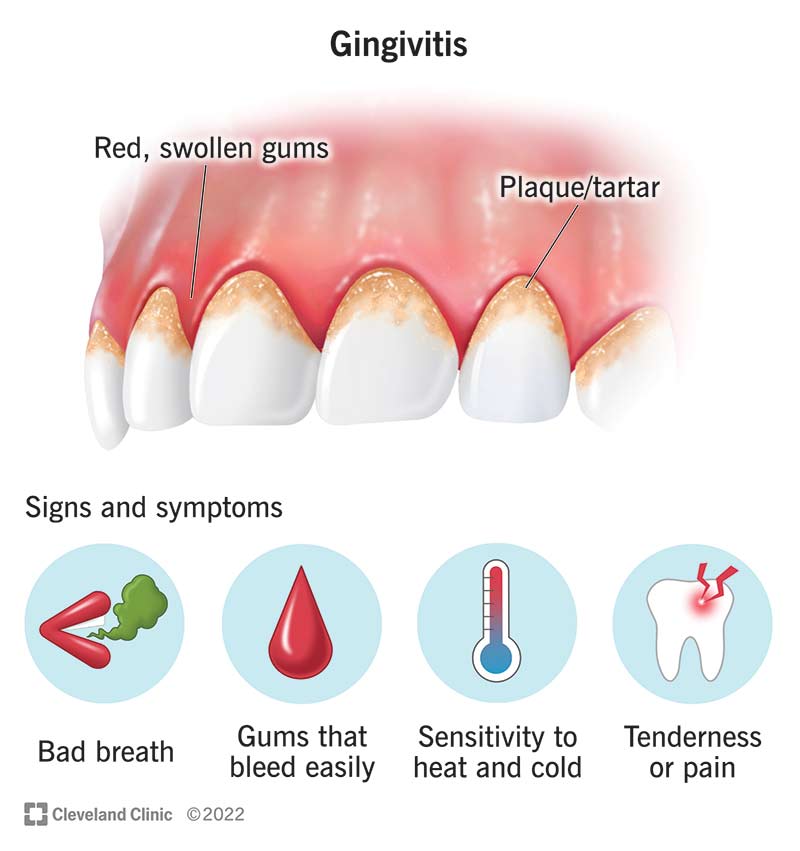
First things first, what exactly *is* gum inflammation? Simply put, it's when your gums become red, swollen, and tender. It's often accompanied by bleeding, especially when you brush or floss. This inflammation is usually caused by plaque, a sticky film of bacteria that constantly forms on your teeth. If plaque isn't removed regularly, it can irritate your gums, leading to gingivitis.

Left untreated, gingivitis can progress to periodontitis, a much more serious condition. Periodontitis involves the destruction of the tissues and bone that support your teeth, potentially leading to tooth loss. That's why it's crucial to address gum inflammation early on.

Brushing and Flossing: Your Gum's Best Friends

You've heard it a million times, but it bears repeating: brushing and flossing are absolutely vital for preventing gum inflammation. But it's not just about *doing* it; it's about *doing it right*.

The Right Brushing Technique

Don't just scrub back and forth! Use a soft-bristled toothbrush and gentle, circular motions. Angle your brush at a 45-degree angle towards the gum line, making sure to reach all surfaces of your teeth. Brush for at least two minutes, twice a day – morning and night.

Flossing: The Unsung Hero

Flossing is just as important as brushing, if not more so. Brushing can only reach about 60% of your tooth surface; flossing gets to those hard-to-reach areas between your teeth where plaque loves to accumulate. Gently slide the floss between your teeth, curving it around each tooth in a "C" shape. Don't snap the floss against your gums; be gentle!

Beyond Brushing and Flossing: Lifestyle Choices That Matter

While brushing and flossing are fundamental, several other lifestyle factors can impact your gum health:

Diet and Nutrition

A balanced diet rich in fruits, vegetables, and whole grains provides the nutrients your gums need to stay strong and healthy. Limit sugary drinks and processed foods, as these can contribute to plaque buildup.

Smoking Cessation

Smoking is a major risk factor for gum disease. It weakens your immune system, making it harder for your body to fight off infections. Quitting smoking is one of the best things you can do for your overall health, including your gum health.

Stress Management

Believe it or not, stress can also play a role in gum health. Chronic stress weakens your immune system, making you more susceptible to gum infections. Finding healthy ways to manage stress, like exercise, yoga, or meditation, can be beneficial.

Regular Dental Checkups

Even with diligent home care, regular dental checkups are essential. Your dentist can professionally clean your teeth, remove plaque and tartar buildup, and identify any potential problems early on. They can also provide guidance on improving your oral hygiene routine.

Choosing the Right Toothpaste

Consider using a toothpaste specifically designed to fight gingivitis. Look for those containing fluoride and ingredients like triclosan or chlorhexidine, which have antibacterial properties. However, always check with your dentist before switching toothpastes, especially if you have any underlying health conditions.

Dealing with Bleeding Gums

If your gums are bleeding, don't panic! It's a common sign of gingivitis, but it's important to address it promptly. Here's what you can do:

  • Increase your brushing and flossing frequency and improve your technique. Gentle but thorough cleaning is key.
  • Use a fluoride mouthwash to help kill bacteria and reduce inflammation. Again, check with your dentist for recommendations.
  • See your dentist. They can assess the severity of the bleeding and provide a personalized treatment plan.
  • Consider a therapeutic mouthwash prescribed by your dentist, which might contain ingredients that help reduce inflammation more effectively than over-the-counter options.
  • Persistent or heavy bleeding should never be ignored. It's a sign that something isn't right, and professional help is needed.

    Commonly Asked Questions

    Let's address some common questions about gum health:

    Q: My gums bleed every time I brush. Is this normal?

    A: No, bleeding gums are not normal. It's a sign of gum inflammation and indicates that you need to improve your oral hygiene routine and possibly see a dentist.

    Q: How often should I see the dentist?

    A: Most dentists recommend visiting for a professional cleaning and checkup at least twice a year. If you have gum disease, you may need more frequent visits.

    Q: Can gum disease be reversed?

    A: In the early stages (gingivitis), gum disease is usually reversible with improved oral hygiene and professional cleaning. However, if it progresses to periodontitis, it may be more challenging to reverse completely, but treatment can help prevent further damage.

    Q: Are there any home remedies for bleeding gums?

    A: While rinsing with salt water can temporarily soothe inflamed gums, it's not a substitute for proper oral hygiene and professional dental care. Addressing the underlying cause of the bleeding is crucial.

    Taking care of your gums is an investment in your overall health and well-being. By following these tips and making healthy lifestyle choices, you can keep your gums happy and healthy for years to come. Remember, prevention is always better than cure! So grab that toothbrush and floss, and let's keep those smiles bright!

    Share:

    How to Eliminate Bad Breath and Achieve Fresh Breath Fast

    How to Eliminate Bad Breath and Achieve Fresh Breath Fast

    Banish Bad Breath: Your Guide to Fresh Breath Fast

    Halitosis, or bad breath, can be a real confidence killer. Whether it's a fleeting morning breath or a persistent problem, the desire for fresh breath is universal. Luckily, conquering bad breath doesn't require a complex regimen. By understanding its causes and implementing simple, effective strategies, you can achieve lasting freshness and boost your self-assurance. This guide provides actionable steps to eliminate bad breath quickly and maintain a confident smile.

    Understanding the Root Causes of Bad Breath

    Before tackling bad breath, it's crucial to understand its origins. While poor oral hygiene is a major culprit, various factors can contribute. Bacteria in your mouth break down food particles, producing volatile sulfur compounds (VSCs) – the primary cause of that unpleasant odor. These bacteria thrive on leftover food debris clinging to teeth and gums. Beyond this, factors like dry mouth (xerostomia), certain medical conditions, and even the foods you consume play a role. Understanding these contributing factors allows for a targeted approach to achieving fresh breath.

    Quick Fixes for Instant Freshness

    Need fresh breath in a hurry? These immediate solutions will provide temporary relief while you address the underlying causes:

    Strategic Mouth Rinsing

    A thorough mouth rinse with an alcohol-free mouthwash can effectively eliminate odor-causing bacteria and leave your mouth feeling refreshed. Look for mouthwashes containing ingredients like cetylpyridinium chloride (CPC) or zinc, known for their antibacterial properties. Remember that these are temporary solutions; consistent oral hygiene is key for long-term freshness.

    Hydration is Key

    Drinking plenty of water throughout the day helps wash away food particles and stimulate saliva production. Saliva acts as a natural cleanser, neutralizing acids and reducing bacterial growth. Carry a water bottle and sip regularly to maintain optimal hydration and oral health. Dehydration is a significant contributor to bad breath.

    Strategic Snacking

    Certain foods can help neutralize odors. Crisp fruits and vegetables like apples and carrots mechanically scrub your teeth, removing food particles. Similarly, parsley and mint are known for their breath-freshening properties.

    Long-Term Strategies for Lasting Fresh Breath

    While quick fixes offer immediate relief, long-term solutions focus on preventing bad breath from returning. This involves a multi-pronged approach to oral hygiene and lifestyle changes.

    Mastering Oral Hygiene

    The foundation of fresh breath lies in impeccable oral hygiene. This includes:

    • Brushing twice daily: Use a fluoride toothpaste and brush gently but thoroughly for at least two minutes each time. Pay attention to the gum line.
    • Flossing daily: Flossing removes food particles and plaque from between your teeth, areas your toothbrush can't reach.
    • Tongue scraping: Bacteria accumulate on your tongue, contributing to bad breath. Gentle scraping helps remove these bacteria.
    • Regular dental check-ups: Professional cleanings remove stubborn plaque and tartar buildup, maintaining optimal oral health.

    Addressing Underlying Medical Conditions

    In some cases, bad breath stems from underlying medical conditions, such as gum disease (gingivitis or periodontitis), respiratory infections, or digestive problems. If you suspect a medical condition might be contributing to your bad breath, consult your doctor or dentist for proper diagnosis and treatment. Addressing the underlying issue is crucial for lasting fresh breath.

    Dietary Considerations

    Certain foods, such as onions, garlic, and strong-smelling spices, can temporarily affect your breath. While you don't have to eliminate these foods entirely, being mindful of their impact can help you manage your breath throughout the day. Furthermore, maintaining a balanced diet and avoiding excessive sugar intake reduces the bacteria population in your mouth.

    By implementing these strategies, you can effectively eliminate bad breath and achieve long-lasting fresh breath. Remember that consistency is key – incorporating these habits into your daily routine will guarantee a confident smile and fresh breath for years to come.

    Share:

    Inflamed Gums Care Tips to Reduce Swelling and Pain at Home

    Inflamed Gums Care Tips to Reduce Swelling and Pain at Home

    Soothe Those Swollen Gums: Home Remedies for Inflamed Gums

    Dealing with inflamed gums? That throbbing pain and tender swelling can make even simple tasks feel challenging. Fortunately, you can take effective steps at home to reduce discomfort and promote healing. This guide provides detailed information on managing inflamed gums, offering a range of simple yet powerful remedies. Remember, while these home remedies can offer significant relief, persistent or severe gum inflammation requires professional dental care. Don't delay seeking help from your dentist if your symptoms worsen or don't improve.

    Understanding the Causes of Gum Inflammation

    Inflamed gums, medically known as gingivitis, often stem from poor oral hygiene. Plaque, a sticky film of bacteria, constantly forms on your teeth. If you don't remove it regularly through brushing and flossing, it hardens into tartar, irritating your gums and leading to inflammation. This inflammation manifests as redness, swelling, and bleeding gums. Beyond poor hygiene, other factors can contribute, including hormonal changes (like during pregnancy), certain medications, vitamin deficiencies, and even stress. Understanding the root cause can help you tailor your home treatment plan for optimal results.

    Effective Home Remedies for Gum Inflammation

    Several readily available remedies can ease the discomfort and accelerate healing. These methods focus on reducing inflammation, promoting healing, and preventing further bacterial growth. Always remember that consistency is key; regular application of these remedies will yield the best results.

    Saltwater Rinse

    A simple saltwater rinse is a time-tested remedy for inflamed gums. The salt's antiseptic properties help kill bacteria, while the rinse gently cleanses the gum line and reduces swelling. To prepare, dissolve 1/2 to 3/4 teaspoon of salt in 8 ounces of warm water. Swish this solution gently around your mouth for 30-60 seconds, then spit it out. Repeat this several times a day for optimal relief. The warm water soothes the inflamed tissues, while the salt combats bacterial infection.

    Hydrogen Peroxide Rinse (Use with Caution)

    Hydrogen peroxide possesses mild antiseptic properties that can help cleanse the mouth and reduce bacterial load. However, use it cautiously and dilute it properly. Mix one part 3% hydrogen peroxide with one part water. Swish gently around your mouth for 30-60 seconds, then thoroughly rinse with plain water. Do not swallow the solution, and avoid frequent use as it can potentially damage gum tissue over time. This should be considered a short-term supplemental remedy.

    Cold Compress

    Applying a cold compress can significantly reduce swelling and pain. Wrap a few ice cubes in a thin cloth and gently apply it to the affected area for 10-15 minutes at a time. Repeat this several times a day as needed. The cold constricts blood vessels, minimizing inflammation and numbing the pain. Always ensure the ice pack is wrapped in a cloth to prevent direct skin contact and potential damage.

    Improving Oral Hygiene

    The foundation of any gum inflammation treatment is meticulous oral hygiene. Follow these steps to keep your gums healthy:

    • Brush your teeth twice a day with a soft-bristled toothbrush and fluoride toothpaste. Use gentle, circular motions.
    • Floss daily to remove plaque and food particles from between your teeth and along the gum line.
    • Use an antimicrobial mouthwash as directed by your dentist.
    • Consider using an interdental brush or other interdental cleaning aid to reach hard-to-access areas between your teeth.

    When to Seek Professional Help

    While home remedies provide effective relief for mild gum inflammation, persistent or worsening symptoms demand professional attention. Contact your dentist immediately if you experience:

    • Severe pain
    • Persistent bleeding gums
    • Loose teeth
    • Pus formation
    • Swelling that doesn't subside

    Early intervention is crucial in preventing more serious dental problems. Your dentist can accurately diagnose the underlying cause of your gum inflammation and provide appropriate treatment, ensuring your oral health remains optimal.

    Share:

    How to Stop Bleeding Gums with a Balanced Oral Care Routine

    How to Stop Bleeding Gums with a Balanced Oral Care Routine

    Conquering Bleeding Gums: Your Guide to a Balanced Oral Care Routine

    Bleeding gums are more than just a minor inconvenience; they're a clear sign that something's amiss with your oral health. Ignoring this warning sign can lead to more serious problems like gum disease (gingivitis and periodontitis), tooth loss, and even impact your overall health. But the good news is, you can often tackle bleeding gums effectively with a consistent and balanced oral care routine. This article will equip you with the knowledge and tools to regain control of your gum health and achieve a confident, healthy smile.

    Understanding the Root Causes of Bleeding Gums

    Before diving into solutions, let's understand why your gums bleed. The most common culprit is gingivitis, the early stage of gum disease. This inflammation occurs when plaque – a sticky film of bacteria – builds up along the gum line. Your body's immune system reacts to this bacterial invasion, leading to inflamed, swollen, and easily bleeding gums. Beyond gingivitis, other factors contribute to bleeding gums, including aggressive brushing, certain medications, hormonal changes (particularly in pregnancy), vitamin deficiencies (like vitamin C), and some underlying medical conditions. Identifying the underlying cause is crucial for effective treatment, so don't hesitate to consult your dentist if bleeding persists.

    Building Your Bleeding-Gums-Busting Oral Care Routine

    A comprehensive oral care routine is your first line of defense against bleeding gums. This routine goes beyond simply brushing your teeth twice a day. It's about meticulous technique and the right tools, creating a harmonious balance of cleaning and care.

    The Art of Brushing

    Choose a soft-bristled toothbrush. Hard bristles can irritate your gums, exacerbating bleeding. Use gentle, circular motions, focusing on the gum line where plaque accumulates most. Avoid aggressive scrubbing, which can damage your gums and enamel. Brush for at least two minutes, twice daily, ideally in the morning and before bed. Consider using an electric toothbrush; many models offer specialized gum care settings and are clinically proven to be more effective at plaque removal.

    Mastering the Floss Game

    Flossing is equally crucial, as it removes plaque from between your teeth where your toothbrush can't reach. Use about 18 inches of floss, wrapping it around your middle fingers. Gently guide the floss between your teeth, curving it around each tooth in a "C" shape to reach below the gum line. Avoid snapping the floss against your gums; instead, use a gentle sawing motion. Floss at least once a day, preferably before brushing at night.

    Rinse and Repeat (With the Right Rinse)

    Mouthwash can complement brushing and flossing, helping to further reduce bacteria and soothe irritated gums. Opt for an alcohol-free therapeutic mouthwash recommended by your dentist, as alcohol can dry out your mouth and worsen irritation. Look for mouthwashes containing ingredients like chlorhexidine or essential oils known for their antibacterial properties. However, remember that mouthwash is a supplementary tool, not a replacement for brushing and flossing.

    Dietary Considerations for Gum Health

    What you eat plays a significant role in your oral health. A balanced diet rich in fruits, vegetables, and whole grains provides essential nutrients that support healthy gums. Limit sugary and processed foods and drinks, as they feed the bacteria that cause plaque buildup. Staying well-hydrated also helps rinse away food particles and bacteria.

    When to Seek Professional Help

    While a consistent oral care routine often resolves mild cases of bleeding gums, persistent or severe bleeding requires professional attention. Schedule an appointment with your dentist if:

    • Bleeding gums persist despite diligent oral hygiene.
    • Your gums are swollen, red, or painful.
    • You notice loose teeth or changes in your bite.
    • You have bad breath (halitosis) that doesn't go away.

    Your dentist can perform a thorough examination, diagnose the underlying cause of your bleeding gums, and recommend appropriate treatment, which may include professional cleaning, scaling and root planing, or other advanced therapies.

    Taking proactive steps towards maintaining optimal oral hygiene is an investment in your overall well-being. By adopting a comprehensive oral care routine and seeking professional help when needed, you can effectively manage bleeding gums and achieve a healthy, radiant smile that lasts a lifetime.

    Share:

    How to Treat and Fix Inflamed Gums with Effective Oral Care

    How to Treat and Fix Inflamed Gums with Effective Oral Care

    Conquer Inflamed Gums: Your Guide to Effective Oral Care

    Inflamed gums, also known as gingivitis, are a common problem that can lead to more serious dental issues if left untreated. Characterized by redness, swelling, and often bleeding, inflamed gums are a clear sign that your oral hygiene routine needs attention. Fortunately, with consistent effort and the right techniques, you can effectively manage and even reverse gingivitis, restoring your gum health and preventing further complications. This guide provides a comprehensive approach to treating and fixing inflamed gums, empowering you to take control of your oral well-being.

    Understanding the Root Cause of Inflamed Gums

    Gingivitis stems primarily from plaque buildup. Plaque is a sticky film of bacteria that constantly forms on your teeth. If not removed effectively through brushing and flossing, it hardens into tartar (calculus), which irritates the gums and triggers inflammation. Ignoring plaque and tartar allows bacteria to thrive, leading to a cascade of problems, including gum disease (periodontal disease) and even tooth loss. Other contributing factors include hormonal changes (like pregnancy), certain medications, smoking, and genetic predisposition. Understanding these factors helps you tailor your oral care routine for optimal results.

    Effective Strategies for Treating Inflamed Gums

    Mastering the Art of Brushing and Flossing

    The cornerstone of healthy gums is a meticulous brushing and flossing routine. Aim for brushing twice a day for at least two minutes each time, using a soft-bristled toothbrush and fluoride toothpaste. Focus on gentle, circular motions, ensuring you reach all tooth surfaces, including the gum line. Flossing is equally crucial, as it removes plaque and food particles from between your teeth, areas your toothbrush can't reach. Use gentle sawing motions to guide the floss between your teeth, curving it around each tooth. Don't neglect the back of your last molars!

    Choosing the Right Oral Hygiene Tools

    Investing in high-quality oral hygiene tools significantly enhances your ability to combat inflamed gums. Consider an electric toothbrush, which often provides superior plaque removal compared to manual brushing. Look for models with different brushing modes, allowing you to tailor the intensity to your gum sensitivity. Interdental brushes can be invaluable for cleaning between teeth, especially in areas with tightly packed teeth where floss struggles. An antimicrobial mouthwash can provide extra protection against bacteria.

    Dietary Considerations

    What you eat plays a significant role in your oral health. Limit sugary drinks and snacks, as they feed the bacteria that contribute to plaque formation. Include foods rich in vitamins and minerals that promote gum health, such as vitamin C, which is crucial for collagen production, necessary for healthy gum tissue. A balanced diet supports overall health and, consequently, your oral health.

    When to Seek Professional Help

    While diligent home care often resolves mild gingivitis, it's vital to consult a dentist if your symptoms persist or worsen. They can perform a thorough examination, identify the underlying cause of your gum inflammation, and recommend appropriate treatment. Professional cleaning (scaling and root planing) may be necessary to remove hardened tartar and deep clean below the gum line. In severe cases, more advanced procedures might be required to prevent permanent damage.

    Remember, consistent effort is key. By diligently following these guidelines and maintaining a proactive approach to your oral health, you can effectively treat and prevent inflamed gums, enjoying a healthy, confident smile for years to come. Don't hesitate to seek professional guidance if you have any concerns.

    Share:

    Fighting Bad Breath with Probiotics: A Natural Alternative to Mouthwash

    Fighting Bad Breath with Probiotics: A Natural Alternative to Mouthwash

    Fighting Bad Breath with Probiotics: A Natural Alternative to Mouthwash

    Okay, let's talk about bad breath. Nobody wants it, and nobody wants to *be* the person who *has* it. We've all been there – that awkward moment when you're chatting with someone and you're suddenly hyper-aware of your own breath. It's mortifying! While mouthwash is a common solution, it often contains harsh chemicals and can actually disrupt the delicate balance in your mouth. So, what's a better way to tackle this embarrassing problem? Enter probiotics – the tiny superheroes of gut health, and potentially, the saviors of your breath!

    Understanding the Root of the Problem

    Before we dive into the probiotic solution, let's understand what causes bad breath, also known as halitosis. It's not just about what you ate for lunch (although that certainly plays a part!). The primary culprit is usually the bacteria living in your mouth. These little guys break down food particles, releasing volatile sulfur compounds (VSCs) – the smelly gases that are the hallmark of bad breath.

    Types of Bad Breath

    There are actually different types of bad breath, and understanding the source can help determine the best treatment. Some bad breath is transient, meaning it comes and goes, often related to food choices or poor oral hygiene. Other bad breath may be chronic, suggesting an underlying medical condition needing professional attention.

    • Transient Halitosis: This is the most common type and is usually easily managed with good oral hygiene.
    • Chronic Halitosis: This persistent bad breath may require more investigation and treatment, potentially involving a dentist or doctor.
    • Oral Halitosis: This is related to the bacteria in your mouth.
    • Non-Oral Halitosis: In some cases, bad breath originates from somewhere else in the body, such as the stomach, lungs, or sinuses.

    If you've tried everything and still struggle with persistent bad breath, it's crucial to seek professional help to rule out any underlying medical issues.

    How Probiotics Can Help

    This is where the probiotic power comes in. Probiotics are beneficial bacteria that, when ingested or applied topically (in the case of oral probiotics), can help restore the balance of your oral microbiome. A healthy balance means fewer bad bacteria producing those smelly VSCs, leading to fresher breath.

    Restoring the Balance

    Think of your mouth like a tiny ecosystem. It's full of various bacteria – some good, some bad. Mouthwash often kills both good and bad bacteria, leaving a potentially vulnerable environment for the bad guys to take over. Probiotics, on the other hand, focus on introducing more good bacteria, helping to crowd out the bad breath culprits. This creates a more stable, healthier environment that naturally discourages the growth of odor-causing bacteria.

    Beyond Just Bacteria

    The benefits of probiotics extend beyond just fighting bad breath bacteria. A healthy oral microbiome is linked to better gum health, reduced inflammation, and even improved overall immunity. It's a win-win situation!

    Choosing the Right Probiotic

    Not all probiotics are created equal. When choosing a probiotic for better breath, look for products specifically formulated for oral health. These often contain strains of bacteria known to be effective in improving oral hygiene and reducing bad breath. Some strains to look for include Lactobacillus and Streptococcus species.

    Different Forms of Oral Probiotics

    You can find probiotics in various forms for oral application, including:

    • Probiotic lozenges or tablets: These dissolve in your mouth, delivering the beneficial bacteria directly to the source.
    • Probiotic mouthwashes: These offer a convenient way to incorporate probiotics into your oral hygiene routine.
    • Probiotic toothpastes: While less common, some toothpastes now incorporate probiotics to enhance their effectiveness.

    Remember to always check the label for the specific strains of bacteria included and their recommended dosage. Also, consult your dentist or doctor, particularly if you have any underlying medical conditions.

    Beyond Probiotics: A Holistic Approach

    While probiotics are a fantastic natural tool, they are most effective when combined with a comprehensive oral hygiene routine.

    The Power of Good Oral Hygiene

    Let's not forget the basics! Brushing twice a day, flossing daily, and regular dental check-ups are crucial for maintaining a healthy mouth and preventing bad breath. Good oral hygiene is the foundation upon which probiotic benefits can truly shine.

    Diet and Lifestyle

    What you eat and drink also plays a significant role. Staying hydrated by drinking plenty of water helps wash away food particles, reducing bacteria's food source. Limiting sugary drinks and foods can also make a big difference, as these feed the bad bacteria, leading to more odor-causing compounds.

    Commonly Asked Questions

    Here are some frequently asked questions about using probiotics for bad breath:

    Q: How long does it take to see results?

    A: It varies from person to person, but you might notice improvements in your breath within a few weeks of consistent probiotic use. Remember that it's a gradual process of restoring the balance of your oral microbiome.

    Q: Are there any side effects?

    A: Probiotics are generally safe, but some individuals may experience mild side effects like gas or bloating, especially when first starting. These are usually temporary and subside as your body adjusts.

    Q: Can probiotics replace mouthwash entirely?

    A: While probiotics can be a valuable addition to your oral hygiene routine, they don't necessarily replace the need for mouthwash completely, especially for individuals with specific oral health needs. The best approach is a balanced one that combines probiotics with other good oral hygiene practices.

    Q: Where can I find oral probiotics?

    A: You can find oral probiotics at many health food stores, pharmacies, and online retailers. Make sure you choose products that list the specific strains of bacteria and their CFU (colony-forming units) counts.

    Remember, a healthy mouth is a happy mouth! Incorporating probiotics into your oral hygiene routine can be a game-changer in your fight against bad breath. However, always consult your dentist or doctor if you have any concerns or persistent bad breath issues. They can provide personalized advice and rule out any underlying medical conditions.

    Share:

    Effective Natural Remedies to Stop Gums from Bleeding and Heal Fast

    Effective Natural Remedies to Stop Gums from Bleeding and Heal Fast

    Effective Natural Remedies to Stop Gums from Bleeding and Heal Fast

    Bleeding gums, a common symptom often associated with gingivitis (gum inflammation) and periodontitis (gum disease), can be indicative of underlying oral health issues. While professional dental care is paramount for addressing the root cause, several natural remedies can complement treatment and promote faster healing. These remedies should be considered adjunctive therapies and not replacements for professional dental advice and treatment.

    Understanding the Causes of Bleeding Gums

    Before exploring natural remedies, it's crucial to understand why gums bleed. The most prevalent cause is poor oral hygiene. Accumulated plaque, a sticky film of bacteria, irritates the gums, leading to inflammation and bleeding. Other contributing factors include:

    • Gingivitis: This early stage of gum disease is characterized by red, swollen, and bleeding gums.
    • Periodontitis: A more advanced stage where the infection extends to the supporting structures of the teeth, potentially leading to tooth loss.
    • Aggressive Brushing: Using a hard-bristled toothbrush or brushing too vigorously can damage gum tissue.
    • Vitamin Deficiencies: Deficiencies in Vitamin C and K can impair collagen production, impacting gum health and increasing bleeding.
    • Hormonal Changes: Fluctuations in hormone levels, particularly during pregnancy and puberty, can make gums more susceptible to bleeding.
    • Certain Medications: Some medications, such as blood thinners, can increase the risk of bleeding gums.
    • Systemic Diseases: Underlying medical conditions like diabetes can exacerbate gum disease and bleeding.

    Natural Remedies for Bleeding Gums

    While professional dental cleaning and treatment are crucial for managing gum disease, several natural remedies can assist in reducing inflammation, promoting healing, and preventing further bleeding. Remember to consult your dentist or physician before incorporating these remedies, especially if you have pre-existing health conditions or are taking medication.

    1. Saltwater Rinse

    A simple yet effective remedy, saltwater rinses possess antiseptic properties that help reduce inflammation and remove food particles and bacteria from the gum line. Dissolve half a teaspoon of salt in a glass of warm water and gently swish the solution around your mouth for 30-60 seconds, then spit it out. Repeat this several times a day.

    2. Hydrogen Peroxide Rinse

    Hydrogen peroxide, a mild antiseptic, can help kill bacteria and reduce inflammation. Dilute 3% hydrogen peroxide with an equal amount of water. Rinse gently for 30 seconds, then thoroughly rinse your mouth with plain water. Do not swallow the solution. Use this rinse sparingly, as overuse can damage gum tissue.

    3. Aloe Vera Gel

    Known for its anti-inflammatory and wound-healing properties, aloe vera gel can soothe irritated gums and promote healing. Apply a small amount of pure aloe vera gel directly to the bleeding gums. Allow it to remain for a few minutes before rinsing with water. Avoid using aloe vera products containing additives or preservatives.

    4. Tea Tree Oil

    Tea tree oil possesses potent antimicrobial properties and can effectively combat the bacteria contributing to gum inflammation. However, it should be used with caution and diluted properly. Mix a few drops of tea tree oil with a tablespoon of carrier oil, such as coconut or olive oil. Gently apply the diluted solution to the affected area using a cotton swab. Avoid swallowing tea tree oil, and conduct a patch test before applying it to a larger area to check for allergic reactions.

    5. Clove Oil

    Clove oil contains eugenol, a natural anesthetic and antiseptic that can numb pain and reduce inflammation. Apply a tiny drop of clove oil directly to the bleeding gum using a cotton swab. Use sparingly, as it can be potent. Clove oil should not be ingested.

    6. Guava Leaves

    Guava leaves possess anti-inflammatory and antibacterial properties that can benefit gum health. Chewing on fresh guava leaves or using a guava leaf rinse can help reduce bleeding and inflammation. Steep a handful of guava leaves in boiling water for 15 minutes, then allow the tea to cool. Rinse your mouth with the guava leaf tea several times a day.

    7. Turmeric

    Turmeric, known for its anti-inflammatory properties, can reduce gum inflammation and promote healing. You can either use turmeric powder as a mouth rinse (mix a teaspoon of turmeric powder with warm water) or apply a turmeric paste directly to the affected gums.

    8. Vitamin C and K Intake

    Ensuring adequate intake of Vitamin C and K is crucial for maintaining healthy gums. Vitamin C plays a vital role in collagen production, essential for gum tissue health. Vitamin K is involved in blood clotting and helps prevent bleeding. Include vitamin C-rich foods like citrus fruits, berries, and leafy greens, and Vitamin K-rich foods like broccoli, kale, and spinach in your diet.

    Lifestyle Modifications and Preventative Measures

    Beyond natural remedies, several lifestyle modifications can significantly reduce the risk of bleeding gums and improve overall oral health:

    • Maintain excellent oral hygiene: Brush your teeth twice a day with a soft-bristled toothbrush and floss daily. Use a fluoride toothpaste.
    • Use a mouthwash: An antimicrobial mouthwash can help kill bacteria and reduce plaque buildup.
    • Visit your dentist regularly: Professional dental cleanings and checkups are crucial for preventing and managing gum disease.
    • Quit smoking: Smoking significantly increases the risk of gum disease and other oral health problems.
    • Manage stress: Stress can weaken the immune system, making you more susceptible to infections, including gum disease.
    • Eat a balanced diet: A diet rich in fruits, vegetables, and whole grains supports overall health, including oral health.

    Disclaimer: This article provides information on natural remedies for bleeding gums. It is not intended as a substitute for professional medical advice. Always consult your dentist or physician before starting any new treatment, especially if you have underlying health conditions or are taking medication.

    Share:

    How to Naturally Alleviate Gum Pain and Sensitivity

    How to Naturally Alleviate Gum Pain and Sensitivity

    Naturally Alleviating Gum Pain and Sensitivity

    Gum pain and sensitivity, often indicative of underlying oral health issues, can significantly impact an individual's quality of life. While professional dental care is paramount in addressing the root causes of such discomfort, several natural remedies can effectively alleviate symptoms and promote overall gum health. This comprehensive guide explores a range of natural approaches, emphasizing their mechanisms of action and potential benefits, while acknowledging the importance of consulting with a dental professional for proper diagnosis and treatment.

    Understanding the Etiology of Gum Pain and Sensitivity

    Before delving into natural remedies, it's crucial to understand the potential causes of gum pain and sensitivity. These can range from relatively minor irritations to more serious conditions requiring professional intervention. Common culprits include:

    • Gingivitis: This early stage of gum disease is characterized by inflammation and redness of the gums, often accompanied by bleeding during brushing or flossing. It's usually reversible with improved oral hygiene.
    • Periodontitis: A more advanced form of gum disease, periodontitis involves the destruction of the tissues supporting the teeth. This can lead to significant pain, sensitivity, and potentially tooth loss.
    • Receding Gums: The gradual loss of gum tissue exposes the tooth roots, making them sensitive to temperature changes, pressure, and sweets.
    • Trauma: Injury to the gums, such as from biting hard food or accidental injury, can cause immediate pain and inflammation.
    • Improper Brushing Technique: Aggressive brushing or using a hard-bristled toothbrush can irritate the gums, leading to sensitivity and pain.
    • Dry Mouth: A reduction in saliva production can compromise the mouth's natural protective mechanisms, making the gums more vulnerable to irritation and infection.
    • Certain Medications: Some medications can have side effects that include dry mouth or gum inflammation.

    Natural Remedies for Gum Pain and Sensitivity

    While natural remedies can provide symptomatic relief and support overall oral health, it's crucial to remember that they are not a substitute for professional dental care. They should be used in conjunction with, and not instead of, regular dental checkups and professional cleanings.

    Saltwater Rinses

    Saltwater rinses are a time-honored remedy for various oral ailments, including gum inflammation. The salt's antimicrobial properties help reduce bacterial load, while its osmotic effect draws out excess fluid from inflamed tissues, reducing swelling and pain. To prepare a saltwater rinse, dissolve 1/2 to 3/4 teaspoon of salt in 8 ounces of warm water. Swish gently for 30-60 seconds, then spit out. Repeat several times a day.

    Hydrogen Peroxide Rinses

    Hydrogen peroxide possesses potent antimicrobial properties, making it effective in combating oral bacteria that contribute to gum inflammation. However, it's crucial to use a diluted solution (3% hydrogen peroxide diluted to 1:1 with water) and to rinse gently to avoid damaging gum tissues. Never swallow hydrogen peroxide. Use this rinse sparingly, as frequent use can irritate the gums.

    Essential Oils

    Certain essential oils, particularly tea tree oil and clove oil, exhibit antimicrobial and anti-inflammatory properties. However, it's crucial to use these oils with extreme caution and always dilute them significantly before applying to the gums. Undiluted essential oils can cause significant irritation and damage. Always conduct a patch test before widespread application and consult a healthcare professional if you have any concerns.

    Aloe Vera

    Aloe vera gel, known for its soothing and anti-inflammatory properties, can provide temporary relief from gum pain and sensitivity. Apply a small amount of pure aloe vera gel directly to the affected area. Its cooling effect can help reduce inflammation and discomfort. Ensure the aloe vera product is pure and free from additives that could further irritate the gums.

    Cold Compresses

    Applying a cold compress to the affected area can help reduce swelling and numb the pain temporarily. Wrap a few ice cubes in a thin cloth and apply it to the gums for 10-15 minutes at a time. Repeat as needed. The cold constricts blood vessels, minimizing inflammation and pain.

    Dietary Adjustments

    Dietary changes can significantly impact gum health. Reducing the intake of sugary foods and drinks minimizes the bacterial load in the mouth, a major contributor to gum disease. Increasing the consumption of fruits and vegetables rich in antioxidants and vitamins can promote overall gum health and strengthen immune defenses.

    Maintaining Optimal Oral Hygiene

    Regardless of the remedies employed, maintaining meticulous oral hygiene is paramount in managing gum pain and sensitivity. This involves:

    • Brushing: Brush your teeth twice daily with a soft-bristled toothbrush, using gentle, circular motions. Avoid harsh scrubbing, which can damage the gums.
    • Flossing: Floss at least once a day to remove plaque and food particles from between the teeth and along the gum line. Gentle flossing is key to prevent gum injury.
    • Mouthwash: Use a therapeutic mouthwash as directed by your dentist. Some mouthwashes contain antimicrobials or ingredients that reduce inflammation.
    • Regular Dental Checkups: Schedule regular professional dental cleanings and examinations. Early detection and treatment of gum disease are essential for preventing more serious complications.

    When to Seek Professional Dental Care

    While natural remedies can provide temporary relief, persistent or severe gum pain and sensitivity warrant immediate professional attention. Do not delay seeking dental care if you experience:

    • Persistent bleeding gums
    • Severe gum pain or swelling
    • Loose teeth
    • Pus around the teeth
    • Changes in bite
    • Receding gums

    A dental professional can accurately diagnose the underlying cause of your gum problems and recommend appropriate treatment, which may include scaling and root planing, antibiotic therapy, or surgical intervention in severe cases. Early intervention is crucial to prevent irreversible damage and preserve your oral health.

    In conclusion, while natural remedies can offer temporary relief and support overall gum health, they should be viewed as complementary therapies, not replacements for professional dental care. Maintaining optimal oral hygiene practices and seeking timely professional attention are crucial for managing gum pain and sensitivity effectively and preventing serious complications.

    Share:

    How Probiotics and Xylitol in Oral Health Supplements Fight Plaque

    How Probiotics and Xylitol in Oral Health Supplements Fight Plaque

    The Synergistic Effects of Probiotics and Xylitol in Combating Dental Plaque

    Dental plaque, a biofilm composed of bacteria, remains a significant contributor to various oral health problems, including gingivitis, periodontitis, and caries. Traditional approaches to plaque control, primarily mechanical removal through brushing and flossing, often prove insufficient in completely eliminating this tenacious bacterial community. Consequently, there has been a growing interest in exploring supplementary strategies to enhance plaque control and promote oral health. Among these, probiotics and xylitol have emerged as promising agents, and their combined use offers a potentially powerful approach to combating plaque formation and its associated detrimental effects.

    The Role of Probiotics in Oral Health

    Probiotics, defined as live microorganisms that confer a health benefit on the host when administered in adequate amounts, have demonstrated efficacy in modulating the oral microbiome and improving oral health outcomes. Their mechanisms of action in plaque control are multifaceted and involve several key processes:

    Competitive Exclusion and Inhibition of Pathogenic Bacteria

    Beneficial probiotic strains, when introduced into the oral cavity, compete with pathogenic bacteria for adhesion sites on the tooth surface and other oral tissues. This competitive exclusion limits the ability of harmful bacteria, such as Streptococcus mutans (a key contributor to caries) and Porphyromonas gingivalis (a significant player in periodontitis), to colonize and proliferate, thereby reducing plaque formation. This competition is often mediated through the production of antimicrobial substances or the modification of the local environmental conditions, making it less hospitable for the growth of pathogenic bacteria.

    Production of Antimicrobial Substances

    Many probiotic strains possess the capacity to produce various antimicrobial substances, including bacteriocins, organic acids, and hydrogen peroxide. These substances directly inhibit the growth and survival of plaque-forming bacteria. Bacteriocins, for instance, are ribosomally synthesized antimicrobial peptides that exhibit specific activity against closely related bacterial strains. Organic acids, such as lactic acid and acetic acid, contribute to a lowered pH environment, inhibiting the growth of acid-sensitive bacteria. Hydrogen peroxide, a reactive oxygen species, possesses potent bactericidal activity.

    Modulation of the Immune Response

    Probiotics can influence the host’s immune response, contributing to a more balanced and effective response against oral pathogens. They may enhance the production of antimicrobial peptides by epithelial cells and stimulate the activity of immune cells, such as macrophages and lymphocytes. This improved immune response helps to clear pathogenic bacteria from the oral cavity and reduce inflammation associated with plaque accumulation.

    Strain Specificity and Efficacy

    It is crucial to note that the efficacy of probiotic strains in modulating the oral microbiome and combating plaque varies significantly depending on the specific strain utilized. Lactobacillus and Bifidobacterium species are frequently investigated for their probiotic potential in oral health, but not all strains within these genera demonstrate the same level of effectiveness. Careful selection of probiotic strains based on robust scientific evidence is essential for maximizing their impact on plaque control.

    The Role of Xylitol in Oral Health

    Xylitol, a five-carbon sugar alcohol, is another promising agent in the fight against dental plaque. Unlike sucrose, which is readily metabolized by cariogenic bacteria, xylitol is poorly metabolized by these bacteria. This characteristic contributes significantly to its plaque-reducing effects:

    Inhibition of Bacterial Metabolism

    The inability of S. mutans and other cariogenic bacteria to effectively utilize xylitol as an energy source prevents them from producing acids that contribute to demineralization of tooth enamel. This reduced acid production significantly diminishes the risk of caries development. Furthermore, xylitol's inhibitory effect on bacterial metabolism can also hinder the formation of plaque itself.

    Anti-adhesive Properties

    Some studies suggest that xylitol may possess anti-adhesive properties, interfering with the ability of bacteria to adhere to tooth surfaces. This reduced adhesion limits the formation of biofilms and, consequently, plaque accumulation. The exact mechanisms behind this anti-adhesive effect are still under investigation, but it is believed to involve interference with bacterial surface proteins responsible for adhesion.

    Stimulation of Saliva Production

    Xylitol has been shown to stimulate saliva production. Saliva plays a crucial role in oral health by neutralizing acids, removing food debris, and lubricating the oral tissues. Increased saliva flow enhances the natural clearance of bacteria and reduces the risk of plaque formation.

    Synergistic Effects of Probiotics and Xylitol

    The combined use of probiotics and xylitol offers a potentially synergistic approach to enhancing plaque control. The mechanisms through which these agents work together remain a subject of ongoing research, but several plausible explanations exist:

  • Enhanced competitive exclusion: Probiotics can occupy adhesion sites, preventing the colonization of xylitol-resistant bacteria, further reducing plaque formation.
  • Improved antimicrobial activity: The reduced acid production resulting from xylitol's presence may create a more favorable environment for the action of probiotic-produced antimicrobial substances.
  • Potentiated immune response: Xylitol's stimulation of saliva production may enhance the delivery of probiotics and immune cells to the oral cavity, amplifying the immune response against plaque-forming bacteria.
  • While research on the combined efficacy of probiotics and xylitol is still relatively limited, preliminary findings suggest a potential for additive or even synergistic effects in reducing plaque accumulation and improving oral health parameters. Further studies, employing rigorous methodologies and larger sample sizes, are needed to fully elucidate the mechanisms and magnitude of this combined effect.

    Conclusion

    Probiotics and xylitol represent promising non-invasive approaches to enhancing plaque control and improving oral health. While both agents have demonstrated individual efficacy in reducing plaque formation and its associated complications, their combined use holds the potential for synergistic benefits. Further research is warranted to explore the full potential of this combined approach, optimizing the selection of probiotic strains and xylitol formulations to maximize their effectiveness and contribute to improved oral health outcomes for a broader population.

    Future research directions should include: in-depth analysis of the interplay between different probiotic strains and xylitol; investigation of the optimal dosages and delivery methods for both agents; clinical trials evaluating the long-term efficacy and safety of combined probiotic-xylitol interventions; and exploration of potential interactions with other oral healthcare products and habits. This multi-faceted approach will be crucial in establishing the clinical significance of combined probiotic and xylitol therapies for enhanced plaque control and improved oral health management.

    Share:

    How Probiotics Help in Reducing Gum Bleeding and Inflammation

    How Probiotics Help in Reducing Gum Bleeding and Inflammation

    The Role of Probiotics in Mitigating Gingival Bleeding and Inflammation

    Gingivitis, characterized by gum inflammation and bleeding, is a prevalent oral health issue stemming from the dysbiosis of the oral microbiome. While traditional treatments like meticulous oral hygiene and professional cleaning are cornerstones of management, emerging research highlights the potential therapeutic benefits of probiotics in addressing this condition. This article delves into the mechanisms through which probiotics may reduce gum bleeding and inflammation, examining the supporting evidence and considering future research directions.

    Understanding the Oral Microbiome and Gingivitis

    The human oral cavity harbors a complex and dynamic ecosystem of microorganisms, collectively known as the oral microbiome. This diverse community encompasses bacteria, archaea, fungi, and viruses, existing in a delicate balance that is crucial for maintaining oral health. A shift in this balance, termed dysbiosis, can lead to the development of various oral diseases, including gingivitis. In gingivitis, a pathogenic shift occurs within the oral microbiome, with an increase in the abundance of gram-negative anaerobic bacteria such as Porphyromonas gingivalis, Tannerella forsythia, and Treponema denticola. These bacteria produce various virulence factors, including lipopolysaccharide (LPS), gingipains, and other enzymes, which trigger an inflammatory response in the gingival tissues.

    The Inflammatory Cascade in Gingivitis

    The inflammatory response in gingivitis is a complex process involving various immune cells and mediators. LPS, a major component of the gram-negative bacterial cell wall, acts as a potent immunostimulant, binding to toll-like receptor 4 (TLR4) on the surface of immune cells such as macrophages and dendritic cells. This interaction initiates a cascade of signaling events, leading to the release of pro-inflammatory cytokines, including interleukin-1β (IL-1β), interleukin-6 (IL-6), tumor necrosis factor-α (TNF-α), and prostaglandin E2 (PGE2). These inflammatory mediators contribute to the characteristic signs and symptoms of gingivitis, including gingival erythema (redness), edema (swelling), bleeding on probing, and pain.

    The Mechanisms of Probiotic Action in Gingivitis

    Probiotics, defined as live microorganisms that confer a health benefit on the host when administered in adequate amounts, offer a promising approach to modulating the oral microbiome and mitigating gingivitis. Their beneficial effects are mediated through several mechanisms:

    Competitive Exclusion

    Probiotics can competitively inhibit the growth and colonization of pathogenic bacteria by competing for nutrients and attachment sites on the tooth surface and gingival epithelium. By occupying these niches, they effectively reduce the availability of resources for pathogenic bacteria, limiting their proliferation and virulence.

    Production of Antimicrobial Substances

    Certain probiotic strains produce antimicrobial substances, such as bacteriocins, hydrogen peroxide, and organic acids, that directly inhibit the growth of pathogenic bacteria. These substances can disrupt bacterial cell membranes, inhibit enzyme activity, or alter bacterial metabolism, thereby reducing their ability to cause disease.

    Modulation of the Immune Response

    Probiotics can modulate the host immune response by influencing the production of cytokines and other immune mediators. They can downregulate the production of pro-inflammatory cytokines, such as IL-1β, IL-6, and TNF-α, while upregulating the production of anti-inflammatory cytokines, such as IL-10. This shift towards an anti-inflammatory milieu helps to reduce gingival inflammation and bleeding.

    Enhancement of the Host's Defence Mechanisms

    Probiotics can strengthen the host's natural defense mechanisms against pathogens. They can enhance the integrity of the gingival epithelium, reducing its permeability to bacterial products and preventing their entry into the underlying tissues. They can also stimulate the production of salivary immunoglobulin A (IgA), which plays a crucial role in mucosal immunity.

    Evidence Supporting the Use of Probiotics in Gingivitis

    Several clinical studies have investigated the efficacy of probiotics in reducing gingivitis. While results have been varied, a growing body of evidence suggests a beneficial effect. Many studies have demonstrated a reduction in gingival bleeding and inflammation scores in individuals receiving probiotic therapy compared to control groups. The effectiveness of probiotics appears to depend on several factors, including the specific probiotic strain used, the dosage, the duration of treatment, and the baseline severity of gingivitis.

    Challenges and Limitations of Current Research

    Despite the promising findings, limitations exist in the current research on probiotics and gingivitis. Many studies have involved small sample sizes, short treatment durations, and heterogeneous study designs, limiting the generalizability of the findings. Furthermore, the optimal probiotic strain, dosage, and administration route for treating gingivitis remain unclear. Standardized methodologies and larger, well-designed clinical trials are needed to establish the efficacy and safety of probiotics as a therapeutic intervention for gingivitis.

    Future Directions and Conclusion

    Future research should focus on identifying the most effective probiotic strains for treating gingivitis, optimizing the dosage and delivery methods, and evaluating the long-term effects of probiotic therapy. Investigating the synergistic effects of probiotics with other therapeutic modalities, such as professional mechanical cleaning and antimicrobial mouthwashes, could also be beneficial. Further research is needed to elucidate the precise mechanisms of action of probiotics in the context of the complex oral microbiome and immune system.

    In conclusion, while further research is necessary to fully elucidate their clinical utility, probiotics hold considerable promise as an adjunctive therapy in the management of gingivitis. Their ability to modulate the oral microbiome, inhibit pathogenic bacteria, and modulate the host immune response offers a potential strategy for reducing gingival bleeding and inflammation. The development of targeted probiotic therapies for gingivitis, based on a comprehensive understanding of the interactions between the oral microbiome, the host immune system, and probiotic strains, could lead to significant advancements in the prevention and treatment of this prevalent oral health problem. This approach holds the potential to offer a safer and more holistic approach to oral health, complementing existing preventative and treatment strategies.

    Note: This information is for educational purposes only and should not be considered medical advice. Always consult with a dental professional for diagnosis and treatment of any oral health condition.

    Share:

    How to Fix Bad Breath Naturally with Home Remedies and Solutions

    How to Fix Bad Breath Naturally with Home Remedies and Solutions

    How to Fix Bad Breath Naturally with Home Remedies and Solutions

    Halitosis, commonly known as bad breath, is a prevalent issue affecting a significant portion of the population. While often embarrassing and socially isolating, it's frequently treatable through natural methods and home remedies. This comprehensive guide explores various approaches to combat bad breath, providing detailed explanations and practical advice for achieving fresh breath naturally.

    Understanding the Root Causes of Bad Breath

    Before delving into solutions, it's crucial to understand the underlying causes of halitosis. Addressing the root cause is paramount for long-term success. Bad breath can stem from various factors, including:

    Oral Hygiene Practices

    Poor oral hygiene is the most common culprit. Food particles accumulating on teeth and gums decompose, releasing volatile sulfur compounds (VSCs) responsible for the unpleasant odor. Insufficient brushing and flossing allow bacterial growth, further exacerbating the problem.

    Dietary Factors

    Certain foods, such as onions, garlic, and strongly spiced dishes, can contribute significantly to bad breath due to their volatile components being absorbed into the bloodstream and released through the lungs. Highly processed foods and those high in sugar can also fuel bacterial growth in the mouth.

    Medical Conditions

    Various underlying medical conditions can cause bad breath. These include gum disease (gingivitis and periodontitis), dry mouth (xerostomia), respiratory infections, post-nasal drip, and certain systemic diseases. Persistent bad breath despite diligent oral hygiene warrants a consultation with a healthcare professional to rule out any underlying medical issues.

    Tobacco Use

    Smoking and chewing tobacco are major contributors to persistent bad breath. Tobacco products not only directly cause foul odor but also impair the mouth's natural cleansing mechanisms, promoting bacterial growth and gum disease.

    Natural Home Remedies for Bad Breath

    Numerous natural remedies can effectively combat bad breath. These methods focus on improving oral hygiene, neutralizing odors, and addressing underlying contributing factors.

    Improved Oral Hygiene Practices

    Thorough brushing is fundamental. Brush your teeth at least twice daily for two minutes each time, using a fluoride toothpaste. Pay close attention to the gumline, where bacteria often accumulate. Flossing is equally critical for removing food particles and plaque from between teeth, areas brushing can't reach. Consider using an interdental brush for better cleaning in tight spaces. Rinsing with an antimicrobial mouthwash can further reduce bacteria, but it should not replace brushing and flossing.

    Natural Mouthwashes and Rinses

    Several natural ingredients possess antimicrobial properties and can freshen breath. These can be used as supplementary rinses:

    • Hydrogen peroxide (diluted): Mix a small amount of 3% hydrogen peroxide with equal parts water. Swishing for 30 seconds can kill bacteria. However, use sparingly, as frequent use can damage tooth enamel.
    • Saltwater rinse: Dissolve half a teaspoon of salt in a glass of warm water. Gargling for 30 seconds can help reduce inflammation and kill some bacteria.
    • Baking soda rinse: A paste of baking soda and water can gently scrub teeth and neutralize acids, though long-term use might affect enamel pH.
    • Apple cider vinegar rinse (diluted): Dilute apple cider vinegar with water and rinse for a short period. Its acidity can kill bacteria, but overuse can erode tooth enamel. Always follow up with a water rinse.

    Dietary Adjustments

    Modifying your diet can significantly impact breath freshness. Reducing the intake of odor-causing foods like onions and garlic is advisable. Increasing consumption of fruits and vegetables rich in antioxidants can help promote overall oral health. Staying adequately hydrated is crucial; dry mouth promotes bacterial growth.

    Herbal Remedies

    Certain herbs possess natural antimicrobial and breath-freshening properties:

    • Clove: Chewing on a clove can temporarily mask bad breath due to its strong aroma and antimicrobial properties.
    • Parsley: Chewing on fresh parsley leaves can help neutralize odors.
    • Fennel seeds: These seeds have a naturally sweet flavor and can help freshen breath.

    Tongue Scraping

    The tongue harbors a significant amount of bacteria. Using a tongue scraper daily can help remove bacteria and debris, contributing to fresher breath. Gentle scraping from back to front is recommended.

    Staying Hydrated

    Drinking plenty of water throughout the day helps wash away food particles and bacteria, preventing dry mouth and promoting saliva production, which naturally cleanses the mouth.

    When to Seek Professional Help

    While home remedies can effectively address many cases of bad breath, persistent halitosis despite consistent efforts warrants a consultation with a dentist or healthcare professional. Underlying medical conditions, such as gum disease, dry mouth, or respiratory problems, might require professional diagnosis and treatment. A thorough examination can help identify the root cause and guide appropriate interventions.

    Maintaining Fresh Breath Long-Term

    Maintaining fresh breath requires a consistent commitment to good oral hygiene and healthy lifestyle choices. Regular dental check-ups and professional cleanings are essential. Coupled with diligent brushing, flossing, and tongue scraping, along with dietary modifications and adequate hydration, these steps ensure long-term success in combating bad breath naturally.

    Disclaimer: This information is for educational purposes only and should not be considered medical advice. Always consult a healthcare professional for any concerns regarding your health.

    Share:

    How to Treat Sensitive Gums with Natural Remedies from Your Kitchen

    How to Treat Sensitive Gums with Natural Remedies from Your Kitchen

    Naturally Soothing Sensitive Gums: A Comprehensive Guide to Home Remedies

    Sensitive gums, characterized by pain, bleeding, and inflammation, can significantly impact oral health and overall well-being. While professional dental care is crucial for addressing underlying issues, several natural remedies readily available in the kitchen can offer effective relief and contribute to improved gum health. This article explores a range of these remedies, emphasizing their mechanisms of action and providing guidance on safe and effective application.

    Understanding the Root Causes of Gum Sensitivity

    Before delving into natural remedies, it's essential to understand the potential causes of sensitive gums. This knowledge will aid in choosing the most appropriate approach and prevent further irritation.

    Gingivitis and Periodontitis

    Gingivitis, the early stage of gum disease, is marked by inflammation of the gums, often characterized by redness, swelling, and bleeding. Periodontitis, the advanced stage, involves the destruction of the tissues and bone supporting the teeth. Poor oral hygiene, allowing plaque and bacteria to accumulate, is the primary culprit in both conditions. These conditions necessitate professional dental cleaning and potentially, further intervention.

    Aggressive Brushing Techniques

    While regular brushing is vital, overly vigorous brushing or using a hard-bristled toothbrush can damage the gums, leading to sensitivity and recession. Gentle brushing with a soft-bristled brush is essential to maintaining gum health.

    Nutritional Deficiencies

    Certain vitamin deficiencies, particularly vitamin C and vitamin K, can weaken the gums, making them more susceptible to bleeding and inflammation. A balanced diet rich in fruits, vegetables, and other nutrient-dense foods is crucial for optimal gum health.

    Hormonal Fluctuations

    Hormonal changes, such as those experienced during pregnancy or menopause, can affect gum sensitivity. Fluctuations in estrogen and progesterone levels can influence the immune system and increase susceptibility to gum inflammation.

    Natural Remedies for Sensitive Gums

    The following natural remedies can provide relief from sensitive gums, but remember that they are complementary therapies and should not replace professional dental care. Always consult your dentist for diagnosis and treatment of underlying gum conditions.

    Saltwater Rinse

    A saltwater rinse is a time-honored remedy for soothing irritated gums. Salt possesses natural antiseptic properties that can help reduce inflammation and bacteria. To prepare, dissolve 1/2 to 3/4 teaspoon of salt in 8 ounces of warm water. Gently swish the solution around your mouth for 30-60 seconds, then spit it out. Repeat this several times a day.

    Aloe Vera Gel

    Aloe vera, known for its anti-inflammatory and healing properties, can provide soothing relief to sensitive gums. Apply a small amount of pure aloe vera gel directly to the affected areas using a clean finger or cotton swab. Allow it to remain for a few minutes before rinsing your mouth with warm water. Avoid swallowing the gel.

    Coconut Oil Pulling

    Oil pulling, an ancient Ayurvedic practice, involves swishing a tablespoon of coconut oil in your mouth for 15-20 minutes. Coconut oil's antimicrobial properties can help reduce bacterial load and inflammation. It is important to spit the oil into a trash receptacle, as it will solidify as it cools.

    Hydrogen Peroxide Rinse (Diluted)

    Hydrogen peroxide, a mild antiseptic, can be used in diluted form to cleanse the mouth and reduce bacteria. Mix equal parts 3% hydrogen peroxide and water. Gently swish the mixture around your mouth for 30-60 seconds, then rinse thoroughly with plain water. Use caution and avoid swallowing. This remedy should only be used sparingly and in low concentrations, as overuse can damage gum tissues.

    Green Tea Rinse

    Green tea is rich in antioxidants and possesses anti-inflammatory properties. Brew a cup of green tea, allow it to cool, and then use it as a rinse. Gently swish the tea around your mouth for 1-2 minutes, then spit it out. The tannins in green tea may also contribute to staining of the teeth.

    Dietary Considerations for Gum Health

    Maintaining a balanced diet is crucial for preventing and managing gum sensitivity. Certain foods and nutrients play a vital role in promoting gum health.

    Vitamin C-Rich Foods

    Vitamin C is essential for collagen production, which is crucial for healthy gums and tissues. Include foods like citrus fruits, berries, and leafy green vegetables in your diet.

    Vitamin K-Rich Foods

    Vitamin K plays a critical role in blood clotting, reducing the risk of bleeding gums. Good sources include leafy greens like kale and spinach, as well as broccoli and Brussels sprouts.

    Calcium and Phosphorus

    Calcium and phosphorus are essential for strong teeth and bones, indirectly supporting healthy gums. Dairy products, nuts, seeds, and legumes are good sources of these minerals.

    Foods to Avoid or Limit

    Certain foods and beverages can exacerbate gum sensitivity. Highly acidic foods and drinks, such as citrus fruits (in excessive amounts), sodas, and sugary drinks, can erode tooth enamel and irritate sensitive gums. Sugary snacks contribute to plaque buildup, increasing the risk of gingivitis and periodontitis.

    Maintaining Optimal Oral Hygiene

    Regardless of which natural remedies you choose, meticulous oral hygiene is paramount. Following these practices can significantly reduce gum sensitivity and improve overall oral health.

  • Brush your teeth gently twice a day with a soft-bristled toothbrush.
  • Floss daily to remove plaque and food particles from between your teeth.
  • Use a fluoride toothpaste to strengthen your tooth enamel and prevent cavities.
  • Consider using a therapeutic mouthwash recommended by your dentist.
  • Schedule regular dental checkups and cleanings.
  • Disclaimer: The information provided in this article is for informational purposes only and does not constitute medical advice. Always consult with a qualified dental professional for diagnosis and treatment of any oral health concerns. While these natural remedies can offer relief, they are not a substitute for professional dental care. If your gum sensitivity persists or worsens, seek immediate professional dental attention.

    Share: