
The Role of Probiotics in Mitigating Gingival Bleeding and Inflammation
Gingivitis, characterized by gum inflammation and bleeding, is a prevalent oral health issue stemming from the dysbiosis of the oral microbiome. While traditional treatments like meticulous oral hygiene and professional cleaning are cornerstones of management, emerging research highlights the potential therapeutic benefits of probiotics in addressing this condition. This article delves into the mechanisms through which probiotics may reduce gum bleeding and inflammation, examining the supporting evidence and considering future research directions.
Understanding the Oral Microbiome and Gingivitis
The human oral cavity harbors a complex and dynamic ecosystem of microorganisms, collectively known as the oral microbiome. This diverse community encompasses bacteria, archaea, fungi, and viruses, existing in a delicate balance that is crucial for maintaining oral health. A shift in this balance, termed dysbiosis, can lead to the development of various oral diseases, including gingivitis. In gingivitis, a pathogenic shift occurs within the oral microbiome, with an increase in the abundance of gram-negative anaerobic bacteria such as Porphyromonas gingivalis, Tannerella forsythia, and Treponema denticola. These bacteria produce various virulence factors, including lipopolysaccharide (LPS), gingipains, and other enzymes, which trigger an inflammatory response in the gingival tissues.
The Inflammatory Cascade in Gingivitis
The inflammatory response in gingivitis is a complex process involving various immune cells and mediators. LPS, a major component of the gram-negative bacterial cell wall, acts as a potent immunostimulant, binding to toll-like receptor 4 (TLR4) on the surface of immune cells such as macrophages and dendritic cells. This interaction initiates a cascade of signaling events, leading to the release of pro-inflammatory cytokines, including interleukin-1β (IL-1β), interleukin-6 (IL-6), tumor necrosis factor-α (TNF-α), and prostaglandin E2 (PGE2). These inflammatory mediators contribute to the characteristic signs and symptoms of gingivitis, including gingival erythema (redness), edema (swelling), bleeding on probing, and pain.
The Mechanisms of Probiotic Action in Gingivitis
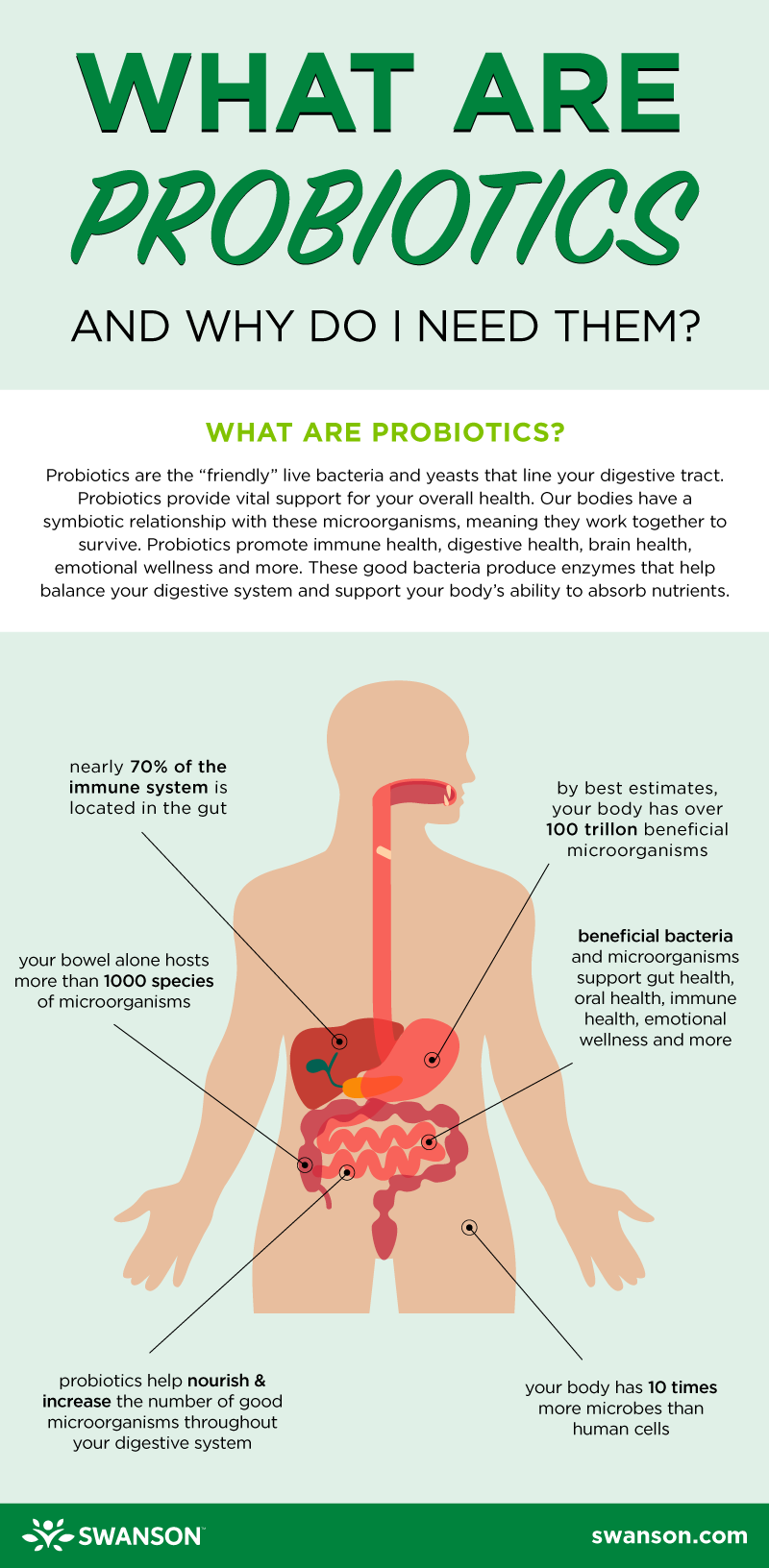
Probiotics, defined as live microorganisms that confer a health benefit on the host when administered in adequate amounts, offer a promising approach to modulating the oral microbiome and mitigating gingivitis. Their beneficial effects are mediated through several mechanisms:
Competitive Exclusion
Probiotics can competitively inhibit the growth and colonization of pathogenic bacteria by competing for nutrients and attachment sites on the tooth surface and gingival epithelium. By occupying these niches, they effectively reduce the availability of resources for pathogenic bacteria, limiting their proliferation and virulence.
Production of Antimicrobial Substances
Certain probiotic strains produce antimicrobial substances, such as bacteriocins, hydrogen peroxide, and organic acids, that directly inhibit the growth of pathogenic bacteria. These substances can disrupt bacterial cell membranes, inhibit enzyme activity, or alter bacterial metabolism, thereby reducing their ability to cause disease.
Modulation of the Immune Response
Probiotics can modulate the host immune response by influencing the production of cytokines and other immune mediators. They can downregulate the production of pro-inflammatory cytokines, such as IL-1β, IL-6, and TNF-α, while upregulating the production of anti-inflammatory cytokines, such as IL-10. This shift towards an anti-inflammatory milieu helps to reduce gingival inflammation and bleeding.
Enhancement of the Host's Defence Mechanisms
Probiotics can strengthen the host's natural defense mechanisms against pathogens. They can enhance the integrity of the gingival epithelium, reducing its permeability to bacterial products and preventing their entry into the underlying tissues. They can also stimulate the production of salivary immunoglobulin A (IgA), which plays a crucial role in mucosal immunity.
Evidence Supporting the Use of Probiotics in Gingivitis
Several clinical studies have investigated the efficacy of probiotics in reducing gingivitis. While results have been varied, a growing body of evidence suggests a beneficial effect. Many studies have demonstrated a reduction in gingival bleeding and inflammation scores in individuals receiving probiotic therapy compared to control groups. The effectiveness of probiotics appears to depend on several factors, including the specific probiotic strain used, the dosage, the duration of treatment, and the baseline severity of gingivitis.
Challenges and Limitations of Current Research
Despite the promising findings, limitations exist in the current research on probiotics and gingivitis. Many studies have involved small sample sizes, short treatment durations, and heterogeneous study designs, limiting the generalizability of the findings. Furthermore, the optimal probiotic strain, dosage, and administration route for treating gingivitis remain unclear. Standardized methodologies and larger, well-designed clinical trials are needed to establish the efficacy and safety of probiotics as a therapeutic intervention for gingivitis.
Future Directions and Conclusion
Future research should focus on identifying the most effective probiotic strains for treating gingivitis, optimizing the dosage and delivery methods, and evaluating the long-term effects of probiotic therapy. Investigating the synergistic effects of probiotics with other therapeutic modalities, such as professional mechanical cleaning and antimicrobial mouthwashes, could also be beneficial. Further research is needed to elucidate the precise mechanisms of action of probiotics in the context of the complex oral microbiome and immune system.
In conclusion, while further research is necessary to fully elucidate their clinical utility, probiotics hold considerable promise as an adjunctive therapy in the management of gingivitis. Their ability to modulate the oral microbiome, inhibit pathogenic bacteria, and modulate the host immune response offers a potential strategy for reducing gingival bleeding and inflammation. The development of targeted probiotic therapies for gingivitis, based on a comprehensive understanding of the interactions between the oral microbiome, the host immune system, and probiotic strains, could lead to significant advancements in the prevention and treatment of this prevalent oral health problem. This approach holds the potential to offer a safer and more holistic approach to oral health, complementing existing preventative and treatment strategies.
Note: This information is for educational purposes only and should not be considered medical advice. Always consult with a dental professional for diagnosis and treatment of any oral health condition.
No comments:
Post a Comment