
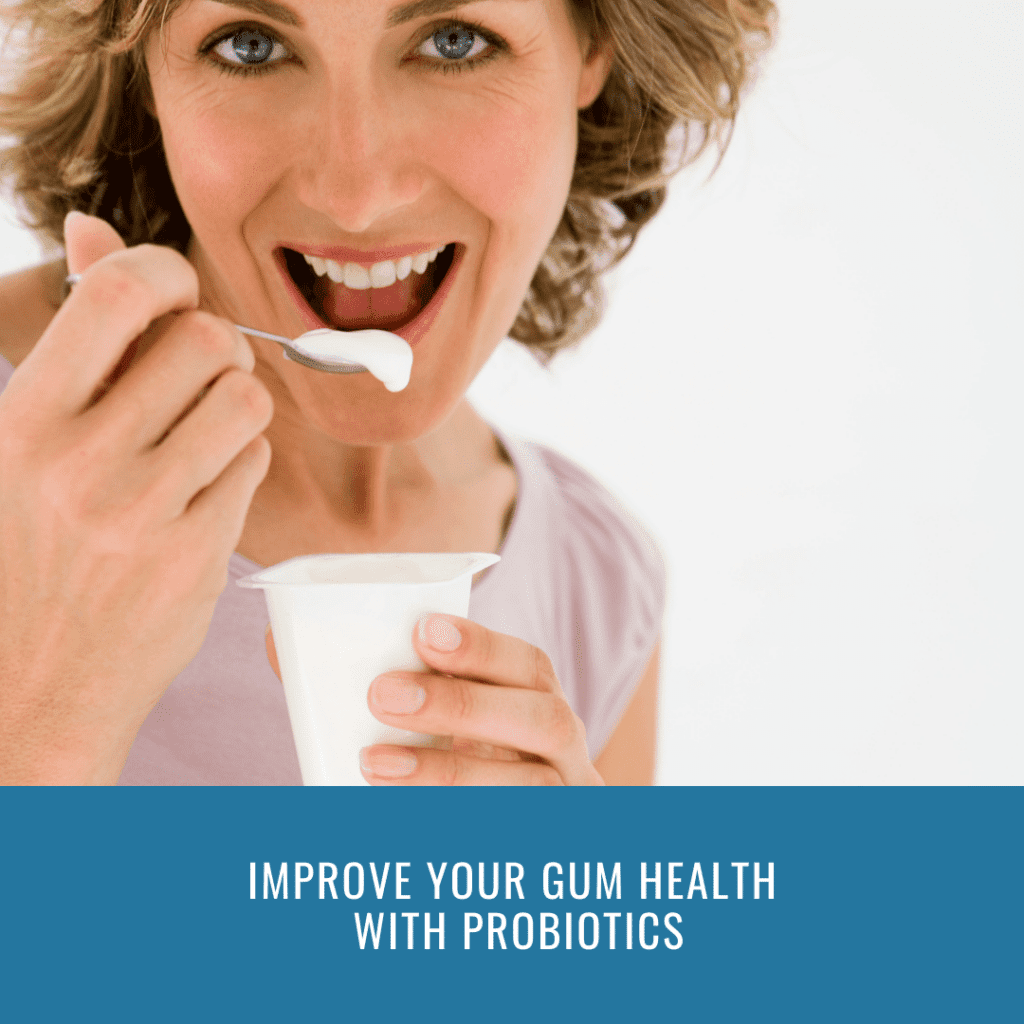
The Symbiotic Relationship: Gum Health and Natural Probiotics
For centuries, humans have understood the importance of a healthy gut. Lately, however, the spotlight has shifted to reveal a fascinating connection between the health of our mouths and the thriving ecosystem within our digestive tracts. This connection lies, in part, with the influence of natural probiotics on gum health. We're not just talking about yogurt parfaits; we’re exploring the complex microbial interactions that impact the delicate balance within our mouths and ultimately contribute to â€" or detract from â€" our overall oral well-being.
Understanding the Oral Microbiome
Your mouth teems with a diverse community of microorganisms â€" bacteria, viruses, fungi â€" collectively known as the oral microbiome. This community is dynamic, constantly fluctuating in response to factors like diet, hygiene practices, and even stress levels. A balanced oral microbiome supports healthy gums and teeth. However, an imbalance, or dysbiosis, can lead to a cascade of problems, from gingivitis and periodontitis to more systemic health issues. Harmful bacteria proliferate, triggering inflammation and potentially damaging the supporting structures of your teeth.
The Role of Harmful Bacteria
Certain bacteria, like Porphyromonas gingivalis and Aggregatibacter actinomycetemcomitans, are key players in the development of gum disease. These pathogens release enzymes and toxins that irritate gum tissue, causing inflammation, bleeding, and ultimately, the potential destruction of bone and ligaments that hold teeth in place. These are the villains in our oral cavity; we need to find ways to counter their influence.
Natural Probiotics: Restoring the Balance
Enter natural probiotics. These beneficial bacteria, found in various fermented foods and supplements, can help re-establish a balanced oral microbiome. They achieve this in several ways. First, they compete with harmful bacteria for resources and space, preventing the overgrowth of pathogens. Secondly, they produce substances that inhibit the growth of harmful bacteria, directly combating their negative effects. Think of them as the superheroes of your mouth, battling the villains to maintain order.
Sources of Beneficial Bacteria
Many foods naturally contain probiotics. Consider incorporating these into your diet for improved oral health:
- Yogurt (with live and active cultures): Look for varieties containing strains like Lactobacillus and Bifidobacterium.
- Kefir: This fermented milk drink is rich in diverse probiotic strains.
- Sauerkraut and Kimchi: These fermented vegetables are excellent sources of beneficial bacteria.
- Kombucha: A fermented tea drink that contains various probiotics.
While these foods offer a natural and delicious way to introduce probiotics into your system, it's important to note that the research on the direct impact of dietary probiotics on oral health is still evolving. More studies are needed to determine the precise effectiveness of various probiotic strains on specific oral conditions.
Beyond Diet: Holistic Oral Health
While incorporating probiotic-rich foods into your diet can significantly contribute to improved gum health, it's crucial to remember that it's part of a larger strategy. Maintaining excellent oral hygieneâ€"brushing twice daily, flossing regularly, and visiting your dentist for regular checkupsâ€"remains paramount. These practices, combined with a balanced diet and the potential benefits of natural probiotics, create a robust approach to preventing and managing gum disease.
In conclusion, the connection between gum health and natural probiotic use is a promising area of research. While more studies are needed to fully elucidate this relationship, incorporating probiotic-rich foods into a holistic oral health regimen shows significant potential for improving your overall oral well-being and preventing problems before they arise.
No comments:
Post a Comment