
How to Fix Bad Breath and Enhance Your Confidence with Natural Solutions


Aggressive or improper brushing techniques can contribute to gingival inflammation and infection, leading to gingivitis and potentially periodontitis. While professional dental care is crucial for managing gum disease, several natural remedies can complement treatment and offer relief from the discomfort associated with brushing-induced gum infections. This article explores various natural approaches to soothe inflamed gums and promote healing, emphasizing the importance of maintaining good oral hygiene alongside these remedies.
Gingivitis, the initial stage of gum disease, manifests as inflammation and redness of the gums. It's often characterized by bleeding during brushing or flossing. While plaque buildup is a primary culprit in gum disease, overly vigorous brushing with a hard-bristled toothbrush can also contribute significantly. The abrasive action can irritate the gum tissues, leading to inflammation, micro-tears, and increased susceptibility to infection. This can exacerbate existing gum problems or even trigger an infection in otherwise healthy gums.
Improper brushing techniques, such as using a sawing motion instead of gentle, short strokes, can also damage gum tissues. Insufficient brushing, however, leads to plaque accumulation, a major contributor to gum disease. Finding the right balance between thorough cleaning and gentle brushing is paramount in maintaining oral health.
Several natural remedies can effectively alleviate the pain and inflammation associated with brushing-induced gum infections. It's crucial to remember that these remedies should complement, not replace, professional dental care. If symptoms persist or worsen, a dentist should be consulted immediately.
A simple and readily available remedy is a warm saltwater rinse. Salt possesses natural antiseptic and anti-inflammatory properties. The warm water helps to soothe irritated gums. This rinse helps to remove food particles and debris, reducing bacterial load and promoting healing.
Preparation and Use: Dissolve ½ to ¾ teaspoon of salt in 8 ounces of warm water. Gently swish the solution around your mouth for 30 to 60 seconds, then spit it out. Repeat this several times a day, especially after brushing.
Hydrogen peroxide, a mild antiseptic, can effectively kill bacteria and reduce inflammation. Diluting it properly is crucial to avoid damaging oral tissues. It is important to only use this treatment short-term as extended use can damage the oral microbiome.
Preparation and Use: Mix equal parts of 3% hydrogen peroxide and water. Rinse gently for 30-60 seconds, then thoroughly rinse your mouth with plain water to remove any residual peroxide. Do not swallow the solution. Limit use to once or twice daily for a short period.
Aloe vera, known for its soothing and anti-inflammatory properties, can provide relief from gum inflammation. Its gel contains compounds that promote tissue regeneration and reduce pain.
Application: Apply a small amount of pure aloe vera gel directly to the affected gums. Gently massage it in. You can leave it on for a few minutes before rinsing your mouth with water. Repeat as needed, up to several times a day.
Tea tree oil possesses potent antibacterial and anti-inflammatory properties. However, it should be used with extreme caution due to its potential for irritation if applied undiluted. Always dilute tea tree oil before applying it to the gums.
Preparation and Use: Mix one drop of tea tree oil with a teaspoon of a carrier oil, such as coconut oil or olive oil. Apply a tiny amount of the diluted mixture to the affected gums with a cotton swab. Rinse thoroughly with water afterward. Due to its potential for irritation, this remedy should be used sparingly and only if other methods prove ineffective.
Clove oil, containing eugenol, a natural anesthetic and antiseptic, can provide temporary pain relief and help fight infection. Similar to tea tree oil, it should be diluted before use.
Preparation and Use: Dilute one drop of clove oil with a teaspoon of a carrier oil (e.g., coconut oil). Apply a tiny amount to the affected area using a cotton swab. Rinse your mouth thoroughly afterward. Due to its potent nature, use this remedy sparingly and avoid swallowing it.
While natural remedies can provide relief, maintaining proper oral hygiene is paramount in preventing and managing gum infections. This includes:
While natural remedies can offer temporary relief, it’s crucial to seek professional dental care if:
Ignoring symptoms of gum infection can lead to more serious complications like periodontitis, which can result in tooth loss. Professional dental care, including scaling and root planing, may be necessary to effectively manage advanced gum disease.
In conclusion, while natural remedies can provide soothing relief from brushing-induced gum infections, they should be considered supplementary to proper oral hygiene and professional dental care. Maintaining a consistent oral hygiene routine and seeking timely professional help are essential for preventing and effectively managing gum problems and maintaining optimal oral health.

Maintaining optimal oral health is paramount for overall well-being. While traditional methods such as brushing, flossing, and professional cleanings remain crucial, a burgeoning field of research highlights the significant potential of probiotics in revolutionizing oral hygiene regimens. This article delves into the multifaceted ways probiotics can contribute to a healthier mouth, exploring their mechanisms of action, applications, and future prospects.
The human mouth harbors a complex and dynamic ecosystem of microorganisms, collectively known as the oral microbiome. This microbiome comprises bacteria, archaea, fungi, and viruses, interacting in a delicate balance to maintain oral homeostasis. A healthy microbiome is characterized by a diverse composition of microorganisms, with a predominance of beneficial species. However, various factors, including poor oral hygiene, dietary habits, systemic diseases, and the use of certain medications, can disrupt this delicate equilibrium, leading to a condition known as dysbiosis.
Dysbiosis is associated with a range of oral diseases, most notably dental caries (tooth decay) and periodontitis (gum disease). These conditions are characterized by an overgrowth of pathogenic bacteria, leading to inflammation, tissue damage, and potentially systemic complications. The inflammatory response triggered by dysbiosis can have far-reaching effects, influencing cardiovascular health, diabetes management, and even pregnancy outcomes.
Several specific bacterial species are strongly implicated in the development of oral diseases. Streptococcus mutans, for example, plays a critical role in the initiation and progression of dental caries. This bacterium produces lactic acid from dietary sugars, leading to demineralization of tooth enamel. Similarly, Porphyromonas gingivalis and Aggregatibacter actinomycetemcomitans are key players in periodontitis, contributing to the destruction of periodontal tissues through the production of virulence factors and the induction of inflammatory responses.
Probiotics are live microorganisms, typically bacteria or yeasts, that, when administered in adequate amounts, confer a health benefit on the host. Their beneficial effects in the oral cavity stem from their ability to modulate the composition and activity of the oral microbiome, thereby counteracting dysbiosis and promoting oral health.
Probiotics exert their beneficial effects through a variety of mechanisms:
Several probiotic strains have demonstrated promising results in improving oral health. These include:
It is important to note that the efficacy of different probiotic strains varies, and the optimal strain or combination of strains for a particular individual may depend on factors such as their existing oral microbiome composition and their specific health needs. Further research is needed to fully elucidate the specific benefits of different probiotic strains and to optimize their use in oral health interventions.
Probiotics are being explored in various forms for improving oral hygiene. These include:
The development of these probiotic-based products represents a significant advancement in oral healthcare, offering a novel approach to preventing and managing oral diseases. However, it is essential to ensure the viability and stability of probiotic strains within these products to guarantee their efficacy.
While the evidence supporting the use of probiotics in oral hygiene is promising, further research is needed to optimize their application and to establish clear clinical guidelines. This includes investigations into:
Furthermore, personalized approaches to probiotic therapy, tailored to an individual's unique oral microbiome profile, may further enhance their efficacy. Advances in microbiome sequencing and bioinformatics offer the potential to identify individual-specific probiotic cocktails optimized for maximizing oral health benefits.
In conclusion, probiotics offer a promising avenue for revolutionizing oral hygiene practices. By restoring the balance of the oral microbiome and modulating the host's immune response, probiotics can contribute significantly to the prevention and management of oral diseases. As research progresses and new probiotic-based products are developed, we can anticipate a future where probiotics play a central role in maintaining optimal oral health and overall well-being.

Forget the orange; purple carrots are emerging as a nutritional powerhouse, offering a vibrant hue and a surprising array of benefits for your oral health. These captivating root vegetables, boasting a deeper, earthier flavor than their orange counterparts, pack a punch of antioxidants and beneficial compounds that actively support healthy teeth and gums. Discover how incorporating purple carrots into your diet can contribute to a brighter, healthier smile.
The striking purple color of these carrots comes from anthocyanins, a potent group of plant pigments. Anthocyanins aren't just responsible for the stunning visual appeal; they're also powerful antioxidants. These antioxidants combat free radicals, unstable molecules that damage cells and contribute to inflammation throughout the body, including in your gums. This anti-inflammatory action plays a crucial role in preventing gum disease, a significant threat to overall oral health. Studies consistently link higher intakes of anthocyanin-rich foods to a reduced risk of gum inflammation and periodontal disease.
While anthocyanins steal the show, purple carrots offer a comprehensive package of nutrients that benefit oral health. They provide significant amounts of vitamin A, essential for maintaining healthy gum tissue and supporting the integrity of tooth enamel. Furthermore, these vibrant vegetables are a good source of vitamin C, another vital nutrient for collagen production, a critical component of healthy gums. The fiber content in purple carrots also stimulates saliva production, which naturally cleanses the mouth and neutralizes acids, further protecting against cavities.
Adding purple carrots to your diet doesn't require a culinary overhaul. Enjoy them raw as a crunchy snack, incorporate them into salads for a vibrant boost of color and flavor, or roast them for a delicious side dish. You can also juice them, blend them into smoothies, or even add them to soups and stews. Experiment with different preparation methods to discover your favorite ways to enjoy the delicious taste and significant health benefits of these remarkable vegetables. Remember, a balanced diet rich in fruits and vegetables, coupled with good oral hygiene practices, forms the cornerstone of excellent oral health.
Embrace the power of purpleâ€"it's not just a beautiful color, it's a delicious pathway to a healthier, happier smile!
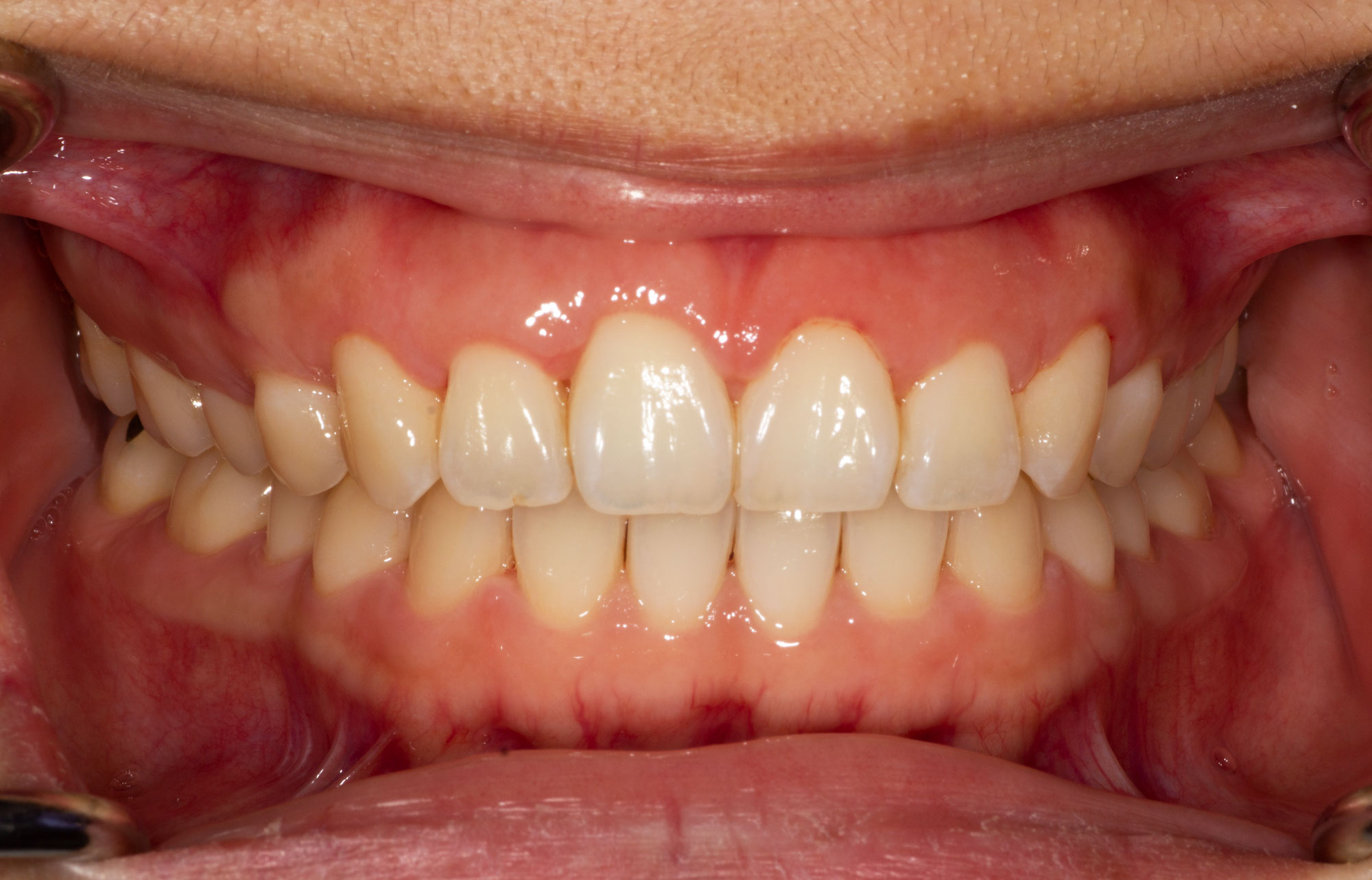
Hey there! Let's talk about something super important: your mouth! We all know brushing and flossing are key to healthy teeth and gums, but did you know that the tiny little organisms living in your mouth â€" your oral microbiome â€" play a HUGE role? And guess what? We can actually influence that microbiome in a positive way with probiotics!
It might sound a little strange at first, but the idea of using probiotics for oral health is gaining a lot of traction. Think of it like this: just as probiotics in your gut help support a balanced ecosystem of good bacteria, probiotics in your mouth can help keep the bad bacteria at bay, leading to better overall oral health. Intrigued? Let's dive in!
Your mouth is teeming with life â€" millions of bacteria, yeasts, and viruses. It's a complex ecosystem! A healthy balance is essential. When the "good" bacteria are in the majority, they help prevent harmful bacteria from taking over and causing problems. But when things get out of whack (think of it as an imbalance), you can experience a range of oral health issues.
This imbalance can manifest in many ways:
So, keeping your oral microbiome happy and balanced is crucial. And that's where probiotics come in.
Probiotics, essentially "good" bacteria, work in several ways to improve oral health:
It's important to note that research on probiotics for oral health is still ongoing, but the existing evidence is promising and suggests that they can be a valuable addition to your oral hygiene routine.
Not all probiotics are created equal! Certain strains have shown more promise for oral health than others. Some of the most commonly studied include:
These probiotics are often found in oral care products like mouthwashes, toothpastes, and lozenges. Always check the label to see which strains are included. It's also worth noting that different strains may have different effects.
So, how do you actually use probiotics for better oral health? There are a few ways to incorporate them into your daily routine:
Many brands now offer mouthwashes and toothpastes containing probiotic strains. These are often easy to integrate into your existing routine. Simply replace your regular mouthwash or toothpaste with a probiotic version.
These are another convenient option. You simply suck on a lozenge or tablet throughout the day. This allows the probiotics to coat your teeth and gums directly.
While not directly probiotics, prebiotics are foods that feed the good bacteria already present in your mouth. Incorporating foods rich in prebiotics, like fruits and vegetables, can contribute to a healthy oral microbiome. It's like giving your "good guys" a boost!
Before starting any new probiotic regimen, it's a good idea to chat with your dentist or doctor, especially if you have any underlying health conditions. Also, remember that probiotics are not a replacement for good oral hygiene practices like brushing, flossing, and regular dental checkups. They work best *in addition* to those essential habits. Think of them as an extra layer of protection for your pearly whites!
A: While some studies suggest probiotics may indirectly help by reducing plaque and improving gum health, they are not a teeth-whitening agent. For whitening, you'll still need to rely on professional whitening treatments or whitening toothpastes.
A: It can vary from person to person, but you might start noticing improvements in your gum health and breath within a few weeks of consistent use. It's important to be patient and continue using the probiotics as directed.
A: Generally, oral probiotics are well-tolerated. Some people may experience mild side effects like a slightly different taste in their mouth, but these are usually temporary. If you experience any significant side effects, stop using the product and talk to your dentist or doctor.
A: Yes, you can generally use oral probiotics along with your regular brushing, flossing, and mouthwash routine. Just be sure to follow the instructions on the probiotic product label.
A: You can find many probiotic oral care products online and in some health food stores and pharmacies. Always check the label to ensure it contains strains that have been shown to be effective for oral health.
So there you have it! Probiotics offer a promising new avenue for improving oral health. Remember to combine them with good oral hygiene habits for optimal results. Happy brushing (and probiotic-ing)!
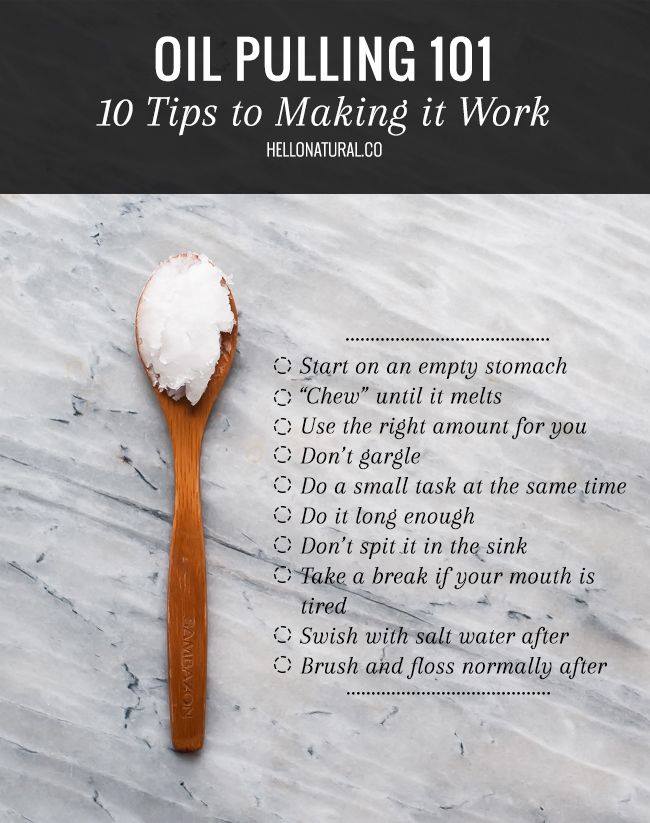
Oil pulling, an ancient Ayurvedic practice, involves swishing oil in the mouth for a specific period to improve oral hygiene and overall health. While scientific evidence remains limited, anecdotal reports and some studies suggest potential benefits for gum health, breath freshness, and even broader systemic health. This article explores the purported advantages of oil pulling, focusing on its impact on gum health and breath, while acknowledging the need for further research.
The precise mechanism by which oil pulling achieves its purported effects is not fully understood. However, the prevailing theory suggests that the process acts as a mechanical cleansing agent, drawing out bacteria and other impurities from the mouth. The oil's viscosity allows it to coat the teeth and gums, trapping particles and potentially disrupting bacterial biofilmsâ€"sticky colonies of bacteria that contribute to plaque formation and gum disease.
Many proponents of oil pulling highlight the role of lipid solubility. Certain compounds associated with inflammation and bacterial growth are lipid-soluble, meaning they dissolve readily in fats and oils. The hypothesis is that the oil used in pulling can dissolve and remove these compounds, leading to a reduction in inflammation and bacterial load within the oral cavity. This theory, however, requires further investigation with robust clinical trials.
Several potential benefits of oil pulling related to gum health have been suggested, although more rigorous research is needed to confirm these claims definitively. The purported improvements generally stem from the removal of bacteria and other harmful substances from the mouth.
Plaque, a sticky film of bacteria, is a primary contributor to gingivitis, the early stage of gum disease. Oil pulling may help to reduce plaque buildup by mechanically removing bacteria from the teeth and gums. Some small studies have indicated a potential reduction in plaque scores after oil pulling, suggesting a positive impact on gingivitis prevention. However, these studies often have limitations in terms of sample size and methodological rigor.
Healthy gums are firm, pink, and bleed minimally, if at all. Proponents of oil pulling suggest that the practice can lead to improvements in gingival health, manifested by reduced bleeding, decreased inflammation, and a healthier appearance of the gums. While some preliminary evidence supports this claim, larger, more controlled studies are necessary to establish a clear causal relationship between oil pulling and improved gingival health.
Inflammation plays a central role in the development of gum disease. Oil pulling's potential to reduce inflammation is linked to its ability to remove bacteria and potentially lipid-soluble inflammatory compounds. The anti-inflammatory properties of certain oils used in pulling, such as coconut oil, may also contribute to this effect. However, it is essential to note that this aspect requires further investigation to elucidate the precise mechanisms involved.
Halitosis, or bad breath, often stems from the presence of volatile sulfur compounds produced by bacteria in the mouth. Oil pulling may contribute to fresher breath by reducing the bacterial population responsible for these compounds. By removing bacteria and their byproducts, the practice potentially minimizes the sources of unpleasant odors.
Studies investigating the link between oil pulling and halitosis are limited. However, the logic behind the potential benefit is straightforward: less bacteria means less production of volatile sulfur compounds, leading to improved breath freshness. This requires further validation through rigorous clinical trials to determine the extent of this effect.
Oil pulling acts as an adjunctive oral hygiene practice, supplementing traditional methods such as brushing and flossing. The oil's ability to reach areas that brushing may miss could contribute to more thorough cleansing and, consequently, better breath. This enhanced cleansing effect may be particularly beneficial for individuals with difficulty accessing certain areas of their mouth.
Various oils are used for oil pulling, each with its own properties. Coconut oil is a popular choice due to its purported antimicrobial and anti-inflammatory properties, as well as its pleasant taste and ease of use. Sesame oil is another traditional option, while other oils such as sunflower oil or olive oil are sometimes used. It's crucial to select a high-quality, unrefined oil to minimize the risk of consuming potentially harmful contaminants.
The oil pulling procedure is relatively straightforward. Typically, one to two tablespoons of oil are swished in the mouth for 10-20 minutes, ensuring that the oil reaches all areas of the mouth. It's essential to avoid swallowing the oil, as it will contain bacteria and other impurities. After the swishing period, the oil is spat out into a trash receptacle (avoid spitting into the sink to prevent clogging). Following oil pulling, thorough rinsing with water is recommended.
While generally considered safe, oil pulling is not without potential drawbacks. Some individuals may experience minor side effects such as nausea or jaw fatigue, particularly when first starting the practice. Individuals with certain medical conditions or taking specific medications should consult their dentist or physician before incorporating oil pulling into their oral hygiene routine. It is crucial to remember that oil pulling should not replace regular brushing, flossing, and professional dental cleanings.
Oil pulling, an ancient practice with increasing popularity, offers potential benefits for gum health and breath freshness. While anecdotal evidence and some preliminary studies suggest positive effects, more rigorous scientific research is needed to confirm the extent and mechanisms of these benefits. Oil pulling can be a helpful adjunctive oral hygiene practice, but it should not replace regular brushing, flossing, and professional dental care. Individuals considering oil pulling should consult with their dentist or physician to address any concerns and to determine its suitability within their individual circumstances.

You've probably heard the term "probiotics" thrown around a lot lately, often in connection with gut health. But did you know they can play a significant role in oral health too? Simply put, probiotics are live microorganisms (like bacteria and yeasts) that, when consumed in adequate amounts, confer a health benefit to the host. Think of them as the "good guys" battling the "bad guys" in your mouth.
Unlike antibiotics, which wipe out *all* bacteria (both good and bad), probiotics work by selectively supporting the growth of beneficial bacteria in your mouth. This helps to restore the balance of your oral microbiome, that complex ecosystem of microbes living in your mouth. A healthy balance means a happy mouth!
So, how exactly do these tiny little helpers contribute to a healthier smile? It's all about teamwork!
Our mouths are home to a vast array of bacteria, some good and some bad. The "bad" bacteria are often associated with cavities, gum disease (gingivitis and periodontitis), and bad breath. Probiotics help to keep these bad guys in check by:
Gum disease is a serious concern, potentially leading to tooth loss if left untreated. Research suggests that certain probiotics can reduce inflammation and bleeding gums, key symptoms of gingivitis. They do this by modulating the immune response and reducing the production of harmful inflammatory molecules.
Cavities, or dental caries, are caused by the breakdown of tooth enamel by acids produced by harmful bacteria. Probiotics can help reduce the risk of cavities by:
Bad breath, or halitosis, is often linked to the growth of odor-causing bacteria in the mouth. By reducing the populations of these bacteria, probiotics can contribute to fresher breath. This is an added bonus to the overall improvement in oral health!
There are several ways you can harness the power of probiotics for a healthier smile:
Many brands now offer probiotic mouthwashes and toothpastes specifically formulated to improve oral health. Look for products that list specific probiotic strains known for their beneficial effects on the mouth.
While not directly targeted at the mouth, some probiotic supplements containing strains with proven oral health benefits can indirectly contribute to a healthier oral microbiome. Always check the label to ensure the supplement contains the strains you're looking for and consult with your doctor or dentist before starting any new supplement regimen.
Believe it or not, what you eat can significantly impact your oral microbiome. Incorporating foods rich in probiotics, such as yogurt (with live and active cultures), kefir, and sauerkraut, into your diet can support a balanced and healthy oral ecosystem. Remember to choose unsweetened varieties to minimize sugar intake.
It's crucial to remember that probiotics are not a magic bullet! They work best in conjunction with a good oral hygiene routine. This includes brushing your teeth twice a day, flossing daily, and visiting your dentist for regular checkups and cleanings.
While probiotics offer exciting possibilities for natural dental health solutions, it's important to keep these points in mind:
Here are some common questions people have about probiotics and dental health:
A: No! Probiotics are a valuable addition to your oral health routine, but they don't replace the essential practices of brushing and flossing. Good oral hygiene is still the cornerstone of preventing cavities and gum disease.
A: Generally, probiotic use is considered safe. However, some individuals may experience mild side effects such as digestive upset. If you experience any adverse effects, discontinue use and consult your dentist or doctor.
A: The timeframe varies depending on the individual and the product used. Some people may notice improvements within a few weeks, while others may need several months to see significant changes. Consistency is key!
A: While more research is needed, some studies suggest that certain probiotics may help reduce inflammation and improve the overall health of gum tissues, which could indirectly alleviate some sensitivity. However, this is not a guaranteed outcome.
I hope this comprehensive guide has shed some light on the exciting role probiotics can play in achieving and maintaining a healthy, radiant smile! Remember to consult with your dentist or doctor before making significant changes to your oral hygiene routine or dietary habits. Happy smiling!

Hey there! Let's talk about something super cool that can seriously upgrade your oral hygiene routine: probiotics. You've probably heard about them for gut health, but did you know they can work wonders for your mouth too? I'm going to spill the tea on how these beneficial bacteria can help you achieve that sparkling, healthy smile you've always dreamed of.
Simply put, probiotics are live microorganisms (mostly bacteria, but sometimes yeasts) that, when consumed in adequate amounts, confer a health benefit on the host. Think of them as the good guys in a microscopic battle constantly waged in your mouth. They fight off the bad bacteria that cause all sorts of oral health problems, like cavities, gum disease, and bad breath.
Your mouth is a bustling ecosystem. It's home to hundreds of different bacterial species, some helpful and some harmful. A healthy balance is key, and that's where probiotics step in. They help tip the scales in favor of the good bacteria, creating a more harmonious and healthy oral environment.
One of the main ways probiotics help is by battling the sticky plaque that builds up on your teeth. Plaque is a film of bacteria that produces acids, which eat away at your tooth enamel, leading to cavities. Probiotics can inhibit the growth of these cavity-causing bacteria, reducing your risk of developing decay.
Think of it like this: probiotics are the bouncers at a nightclub, keeping the troublemakers (harmful bacteria) out and maintaining order (a healthy oral microbiome).
Gum disease (gingivitis and periodontitis) is a serious infection that can lead to tooth loss if left untreated. Probiotics can help prevent gum disease by reducing inflammation and improving the overall health of your gums. They do this by modulating the immune response and reducing the harmful effects of inflammatory molecules produced by harmful bacteria.
Many studies show that specific strains of probiotics can significantly reduce the severity of gingivitis and improve gum health markers like bleeding and pocket depth.
Bad breath, or halitosis, is often caused by the volatile sulfur compounds (VSCs) produced by certain bacteria in your mouth. Probiotics can help reduce the population of these odor-causing bacteria, leading to fresher breath. It's not a magic bullet, of course â€" good oral hygiene is still crucial â€" but probiotics can definitely give your breath a boost.
Some research suggests that certain probiotics can actually help strengthen your tooth enamel, making it more resistant to acid attacks. This is still an area of ongoing research, but the early findings are promising. A stronger enamel means a lower chance of cavities!
Perhaps the most significant benefit of probiotics is their ability to improve the overall balance of your oral microbiome. By promoting the growth of beneficial bacteria and suppressing harmful ones, probiotics create a more resilient and healthy environment in your mouth. This holistic approach to oral health is incredibly important for long-term well-being.
There are several ways to introduce probiotics into your oral care regimen:
While probiotics offer many potential benefits, it's crucial to remember that they are not a replacement for good oral hygiene practices. Brushing and flossing twice a day, regular dental checkups, and a healthy diet remain vital for maintaining optimal oral health. Think of probiotics as an added boost to your existing routine, not a magic fix.
Also, not all probiotic strains are created equal. Different strains have different effects, and some may be more effective for certain oral health conditions than others. Researching which strains are best suited to your specific needs is a good idea. Your dentist can provide guidance on this.
Q: Will probiotics completely eliminate the need for brushing and flossing?
A: Absolutely not! Probiotics are a valuable addition to your oral hygiene routine, but they cannot replace the essential practices of brushing and flossing. These mechanical methods are crucial for removing plaque and food debris.
Q: Are there any side effects associated with using oral probiotics?
A: Generally, oral probiotics are well-tolerated, but some people may experience mild side effects such as a slightly bitter taste or temporary upset stomach (if taking supplements). If you experience any adverse reactions, discontinue use and consult your dentist or doctor.
Q: How long does it take to see results from using oral probiotics?
A: The timeframe for noticing improvements varies depending on the individual and the specific product used. Some people may see results within a few weeks, while others may need to use probiotics for several months to experience significant benefits.
Q: Can I use oral probiotics if I have any existing oral health conditions?
A: It's always best to consult your dentist before using any new oral health products, especially if you have pre-existing conditions like gum disease or other oral health concerns. They can advise you on the best approach for your specific situation.
Q: Where can I find probiotic oral care products?
A: Many health food stores, pharmacies, and online retailers carry probiotic mouthwashes, toothpastes, and supplements. You can also check with your dentist for recommendations.
I hope this comprehensive guide has helped you understand the exciting potential of probiotics for enhancing your oral hygiene routine! Remember to always talk to your dentist before making any significant changes to your oral care practices. A healthy smile is a happy smile, and with a little help from probiotics, you can achieve a dazzling, healthy grin!
Cavities and gum inflammation, or gingivitis, are common oral health problems impacting millions worldwide. Traditional approaches often focus on brushing, flossing, and fluoride treatments. However, a new wave of preventative strategies leverages the power of natural compounds and beneficial bacteria to combat these issues. This article explores the remarkable potential of xylitol and probiotics in preventing cavities and gum inflammation, offering a more holistic approach to oral care.
Cavities, or dental caries, develop when bacteria in the mouth break down sugars, producing acids that erode tooth enamel. This process is exacerbated by poor oral hygiene, a diet high in sugary foods and drinks, and a lack of saliva, which helps neutralize acids. Similarly, gum inflammation arises from the buildup of plaque, a sticky film containing bacteria. This plaque irritates the gums, leading to redness, swelling, bleeding, and, if left untreated, potentially more serious periodontal diseases. Understanding these processes is crucial for effective prevention.
Xylitol, a naturally occurring sugar alcohol found in some fruits and vegetables, acts as a powerful weapon against cavity-causing bacteria. Unlike sucrose (table sugar), xylitol doesn't provide the bacteria with the fuel they need to produce acid. Instead, it inhibits bacterial growth and even prevents them from adhering to tooth surfaces. Studies have consistently shown that regular consumption of xylitol, in gum, candy, or rinse form, significantly reduces the risk of cavities. The key is consistency; small, frequent doses are more effective than one large dose.
Probiotics are live microorganisms, primarily bacteria, that offer various health benefits when consumed. In oral health, certain strains of probiotics have demonstrated effectiveness in combating harmful bacteria, reducing plaque buildup, and improving gum health. These beneficial bacteria compete with cavity-causing bacteria for resources and space, preventing their overgrowth. They also produce substances that inhibit the growth of harmful microbes and boost the immune response in the mouth.
While both xylitol and probiotics offer significant benefits independently, their combined use can create a powerful synergistic effect. Xylitol helps to control the harmful bacteria population, creating a more favorable environment for the beneficial probiotics to thrive. Simultaneously, the probiotics further suppress the harmful bacteria, enhancing the protective effects of xylitol. This combined approach creates a stronger defense against cavities and gum inflammation, promoting overall oral well-being.
Important Note: While xylitol and probiotics are generally safe, it’s important to consult with a dentist or healthcare professional before making significant dietary changes or incorporating supplements, especially if you have pre-existing health conditions. They can provide personalized recommendations based on your individual needs and oral health status.

Localized gum sensitivity, characterized by pain or discomfort in a specific area of the gums, often arises from underlying dental issues such as cavities or infections. This sensitivity can significantly impact oral comfort and overall well-being. Effective management requires a comprehensive approach that combines at-home care with professional dental intervention. This article will delve into the causes of localized gum sensitivity, explore diagnostic methods, and outline treatment strategies, emphasizing the importance of prompt and appropriate care.
Pinpointing the exact cause of localized gum sensitivity is crucial for effective treatment. While numerous factors can contribute, cavities and infections are prominent culprits.
Dental caries, commonly known as cavities, are caused by bacterial acids that erode tooth enamel and dentin. As the decay progresses, it can reach the pulp (the soft tissue within the tooth containing nerves and blood vessels), causing inflammation and pain. This inflammation can extend to the surrounding gum tissue, resulting in localized sensitivity. The proximity of the cavity to the gum line is a key factor; the closer the cavity, the more likely it is to induce gum sensitivity. The type of cavity also plays a role; deep cavities are more likely to cause significant gum involvement than superficial ones.
Various infections can contribute to localized gum sensitivity. Gingivitis, the early stage of gum disease, is characterized by inflammation of the gums. While typically affecting multiple areas, gingivitis can manifest as localized inflammation, leading to sensitivity in a specific region. Periodontal abscesses, localized infections at the root of a tooth, are another potential cause. These abscesses can cause severe pain, swelling, and marked sensitivity in the affected area. Periapical abscesses, which occur at the tip of the tooth root, can also trigger localized gum sensitivity. Additionally, infections arising from impacted teeth or other underlying dental problems may present with localized gum sensitivity.
Beyond cavities and infections, other factors can contribute to localized gum sensitivity. These include:
Accurate diagnosis is the cornerstone of effective treatment. A comprehensive dental examination is essential to identify the underlying cause of the sensitivity.
The dentist will conduct a thorough visual examination of the gums and teeth, noting any signs of inflammation, swelling, redness, or bleeding. They will carefully probe the gums to assess their health and detect any periodontal pockets (spaces between the gums and teeth).
X-rays are crucial for identifying hidden cavities, assessing the extent of bone loss (in cases of periodontal disease), and detecting periapical lesions or abscesses. Bitewing radiographs are particularly useful for detecting interproximal (between-teeth) cavities.
In some cases, additional tests may be necessary to provide a more definitive diagnosis. These might include:
Treatment strategies for localized gum sensitivity vary depending on the underlying cause. The focus is on eliminating the source of the irritation and alleviating the symptoms.
Cavities require prompt restorative treatment to prevent further damage. The dentist will remove the decayed tooth structure and restore it with a filling, inlay, onlay, or crown, depending on the extent of the damage. This procedure eliminates the source of the irritation and prevents further spread of the decay.
Treatment for infection-induced sensitivity focuses on eradicating the infection and resolving the inflammation. This may involve:
While addressing the underlying cause is paramount, managing the immediate discomfort is equally important. This can involve:
Preventing localized gum sensitivity requires a proactive approach that emphasizes good oral hygiene practices and regular dental checkups.
In conclusion, localized gum sensitivity requires prompt and appropriate dental care. By understanding the underlying causes, undergoing a thorough diagnosis, and implementing effective treatment strategies, individuals can effectively manage their sensitivity and maintain optimal oral health. Prevention through consistent good oral hygiene practices and regular dental visits is crucial in minimizing the risk of developing this uncomfortable condition.

Yes, you read that right. Just like probiotics benefit your gut, they can work wonders for your oral microbiome, leading to a healthier, happier mouth. Intrigued? Let's dive in!
Think of your mouth as a bustling city. It's teeming with bacteria â€" both good and bad. This complex community is called your oral microbiome. A balanced microbiome is key to good oral health. When the "good guys" (beneficial bacteria) are outnumbering the "bad guys" (harmful bacteria), everything runs smoothly. You get a healthy, happy mouth with fewer cavities, less gum inflammation, and a generally brighter smile.
However, various factors can disrupt this delicate balance: poor diet, stress, illness, antibiotics, and even some medications. When the bad bacteria gain the upper hand, it can lead to a host of oral problems, from gingivitis and periodontitis (gum disease) to bad breath and even an increased risk of other health issues.
This is where oral probiotics come in. These friendly bacteria are specifically formulated to colonize your mouth and compete with the harmful bacteria, helping to restore that crucial balance. Think of them as reinforcements for your oral immune system!
The advantages of incorporating oral probiotics into your routine are numerous. Let's explore some of the key benefits:
With the growing popularity of oral probiotics, it's important to choose wisely. Not all probiotics are created equal. Look for products that contain strains scientifically proven to be effective in oral health, such as Lactobacillus reuteri, Lactobacillus salivarius, and Streptococcus salivarius. Pay attention to the CFU (colony-forming units) count. A higher CFU count generally indicates a more potent product.
You'll find oral probiotics in various forms: lozenges, sprays, and even pastes. Experiment to find the delivery method you prefer. Many people find lozenges convenient and easy to use, while sprays can provide a broader reach.
Always consult your dentist or doctor before starting any new supplement regimen, especially if you have pre-existing health conditions or are taking other medications.
Adding oral probiotics to your daily oral care routine is simple and straightforward. Most products involve dissolving a lozenge or spraying a mist directly into your mouth, usually once or twice a day. You can incorporate this into your existing routine, alongside brushing and flossing.
Remember, oral probiotics are not a replacement for good oral hygiene practices like regular brushing, flossing, and dental checkups. They are a valuable addition to your overall oral health strategy.
Let’s address some common misconceptions about oral probiotics:
Here are some frequently asked questions about oral probiotics:
A: Results vary depending on the individual and the product used, but many people report noticeable improvements within a few weeks of consistent use.
A: Always check with your doctor or dentist to ensure there are no contraindications before combining oral probiotics with other supplements or medications.
A: Some oral probiotic products are specifically formulated for children. It's essential to consult a pediatrician or dentist before using oral probiotics in children.
A: Don't worry too much about missing a single dose. Just resume your regular routine the next day.
A: You can find oral probiotics at most health food stores, pharmacies, and online retailers.
Investing in your oral health is an investment in your overall well-being. Give oral probiotics a try and unlock a healthier, happier smile. You might be surprised by the difference!

The widespread use of antibiotics has revolutionized medicine, significantly reducing morbidity and mortality from bacterial infections. However, the indiscriminate and often excessive prescription of these life-saving drugs has inadvertently unveiled a range of unintended consequences, impacting various aspects of human health, including oral health. This article delves into the complex interplay between antibiotic use and oral health, exploring the potential benefits, detrimental effects, and strategies for mitigating the risks associated with antibiotic-related oral complications.
While primarily known for their systemic applications, antibiotics do have a place in specific oral healthcare contexts. Their efficacy in targeting bacterial infections within the oral cavity is undeniable, particularly in cases of severe or localized infections.
Antibiotics are crucial in managing severe oral infections such as:
In these scenarios, the judicious use of antibiotics can be life-saving, preventing the progression of serious infections and their systemic ramifications.
Despite the clear benefits in specific instances, the overuse and misuse of antibiotics significantly outweigh the advantages in the context of overall oral health. The disruption of the oral microbiome, a complex and delicate ecosystem, is a primary concern.
The human oral cavity harbors a vast and diverse community of microorganisms, collectively known as the oral microbiome. This intricate ecosystem plays a crucial role in maintaining oral health. Antibiotics, while targeting pathogenic bacteria, also eliminate beneficial commensal bacteria, leading to:
This disruption of the oral microbiome can have long-term implications, potentially contributing to chronic oral diseases.
Specific oral conditions have been linked to antibiotic use. These include:
The severity of these conditions can vary greatly, depending on factors such as the type and duration of antibiotic use, the individual's overall health, and the pre-existing oral health status.
The indiscriminate use of antibiotics contributes to the escalating problem of antibiotic resistance. Over time, bacteria exposed to antibiotics develop mechanisms to resist their effects. This resistance can lead to treatment failure for both oral and systemic infections, necessitating the use of stronger, potentially more toxic, antibiotics. The development of antibiotic-resistant strains in the oral cavity poses a significant threat to effective oral healthcare.
Minimizing the negative impacts of antibiotics on oral health requires a multi-pronged approach focusing on responsible antibiotic prescription and proactive oral healthcare practices.
Healthcare professionals should adhere to strict guidelines when prescribing antibiotics. This involves:
Maintaining optimal oral hygiene practices is essential in reducing the likelihood of infections and mitigating the impact of antibiotic use. This includes:
By combining responsible antibiotic prescription with robust oral hygiene strategies, the adverse effects of antibiotics on oral health can be significantly reduced.
The relationship between antibiotic use and oral health is complex. While antibiotics play a vital role in the treatment of severe oral infections, their widespread and often inappropriate use can lead to a cascade of negative consequences, including disruption of the oral microbiome, increased susceptibility to opportunistic infections, and the development of antibiotic resistance. A balanced approach, prioritizing judicious antibiotic use, coupled with proactive oral hygiene practices and regular dental check-ups, is crucial for safeguarding oral health in the face of the continued prevalence of antibiotic use.

Maintaining optimal gum health is crucial for overall well-being. Neglecting oral hygiene can lead to gingivitis, periodontitis, and other serious complications. Fortunately, emerging research highlights the potent combination of probiotics and xylitol as a powerful, natural approach to preventing gum disease and reducing inflammation. This article delves into the mechanisms by which these two substances work synergistically to support a healthy mouth.
Our mouths are teeming with bacteria, both beneficial and harmful. A healthy oral microbiome is characterized by a balanced ecosystem where beneficial bacteria outnumber and suppress the growth of harmful pathogens. Probiotics, defined as live microorganisms that confer a health benefit on the host, actively contribute to this balance. Specific strains of probiotics, such as Lactobacillus and Bifidobacterium, have demonstrated the ability to inhibit the growth of periodontal pathogens like Porphyromonas gingivalis, a key player in gum disease. These beneficial bacteria achieve this through several mechanisms: they compete with harmful bacteria for nutrients and attachment sites on the teeth and gums, they produce antimicrobial substances that directly kill or inhibit the growth of pathogens, and they modulate the immune response to reduce inflammation.
Probiotics don't just passively exist in the mouth; they actively contribute to a healthier environment. They accomplish this through a variety of sophisticated mechanisms:
Xylitol, a naturally occurring sugar alcohol found in many fruits and vegetables, offers a unique benefit to oral health. Unlike sucrose (table sugar), xylitol is not readily metabolized by the bacteria that cause tooth decay and gum disease. In fact, xylitol inhibits the growth of these bacteria by interfering with their ability to adhere to tooth surfaces and produce acids that erode enamel and irritate gums. Furthermore, studies suggest xylitol possesses anti-inflammatory properties, reducing the production of inflammatory cytokines and promoting a healthier gum tissue environment. It essentially starves harmful bacteria and actively counters the inflammatory processes that drive gum disease.
The benefits of xylitol extend beyond simply preventing tooth decay. It actively works to improve gum health through these mechanisms:
The combination of probiotics and xylitol offers a powerful, synergistic approach to gum health. Probiotics actively combat harmful bacteria, while xylitol creates an environment less hospitable to their growth. This dual action significantly reduces the bacterial load and inflammatory response in the mouth. The result is a healthier gum line, reduced risk of gingivitis and periodontitis, and improved overall oral health. While further research is ongoing to fully elucidate the combined effects, the available evidence strongly supports the incorporation of both probiotics and xylitol into a comprehensive oral hygiene regimen.
Disclaimer: This article is for informational purposes only and does not constitute medical advice. Always consult with a healthcare professional or dentist before making any changes to your oral hygiene routine or diet.

Maintaining optimal oral health is crucial for overall well-being. Traditional approaches often rely heavily on chemical-based treatments, but a growing body of research highlights the efficacy of natural alternatives, specifically probiotics and xylitol, in promoting oral hygiene and preventing various oral diseases. This article delves into the mechanisms of action, benefits, and limitations of these natural approaches, offering a comprehensive overview of their role in a holistic oral health strategy.
The oral cavity harbors a complex and dynamic ecosystem of microorganisms, collectively known as the oral microbiome. This microbiome comprises a diverse range of bacteria, fungi, viruses, and archaea, which exist in a delicate balance. A healthy oral microbiome is characterized by a diverse community of microorganisms, where beneficial species outnumber potentially harmful ones. This balance is essential for maintaining oral health. However, disruptions to this equilibrium, often triggered by poor oral hygiene, dietary habits, and systemic factors, can lead to various oral diseases, including dental caries (tooth decay), periodontal disease (gum disease), and halitosis (bad breath).
Dysbiosis, an imbalance in the composition and function of the oral microbiome, is a key factor in the pathogenesis of many oral diseases. An overgrowth of cariogenic (decay-causing) bacteria, such as Streptococcus mutans and Lactobacillus species, is strongly associated with dental caries. Similarly, periodontal disease is characterized by an increase in pathogenic bacteria, leading to inflammation and destruction of the supporting tissues of the teeth. This shift in microbial composition can also contribute to halitosis due to the production of volatile sulfur compounds by specific bacteria.
Probiotics are live microorganisms, primarily bacteria and yeasts, that, when administered in adequate amounts, confer a health benefit on the host. In the context of oral health, probiotics offer a promising avenue for restoring the balance of the oral microbiome and preventing or treating oral diseases. Several mechanisms contribute to their beneficial effects:
Numerous studies have investigated the efficacy of probiotics in preventing and treating oral diseases. While the results have been variable, depending on the probiotic strain used, the dosage, and the study design, there is accumulating evidence supporting their beneficial effects in reducing dental caries, gingivitis (gum inflammation), and halitosis. Further research is needed to establish clear guidelines on the optimal selection and use of probiotic strains for specific oral conditions.
Xylitol is a naturally occurring sugar alcohol found in various fruits and vegetables. It possesses several properties that make it beneficial for oral health:
Extensive research supports the effectiveness of xylitol in preventing dental caries. Numerous clinical trials have demonstrated a significant reduction in caries incidence in individuals who regularly consume xylitol-containing products, such as chewing gum or lozenges. The efficacy of xylitol is particularly evident in children, where its preventative effects are well-documented. However, it is crucial to note that excessive consumption of xylitol can have laxative effects.
The combined use of probiotics and xylitol may offer synergistic effects in promoting oral health. Probiotics can help to establish a healthy oral microbiome, while xylitol inhibits the growth of cariogenic bacteria. This combined approach might offer a more comprehensive and effective strategy for preventing and treating oral diseases than using either approach alone. Further research is warranted to fully elucidate the synergistic potential of these two natural approaches.
While probiotics and xylitol offer promising natural solutions for oral health, certain limitations need to be considered:
Probiotics and xylitol represent valuable additions to the arsenal of natural oral health solutions. Their mechanisms of action, focusing on restoring microbial balance and inhibiting cariogenic bacteria, offer a compelling alternative to traditional chemical-based approaches. Although further research is needed to optimize their use and clarify their full potential, the existing evidence strongly suggests their role in a comprehensive strategy for maintaining optimal oral health. A holistic approach incorporating good oral hygiene practices, a balanced diet, and the strategic use of probiotics and xylitol can significantly contribute to preventing and managing various oral diseases, ultimately improving overall well-being.
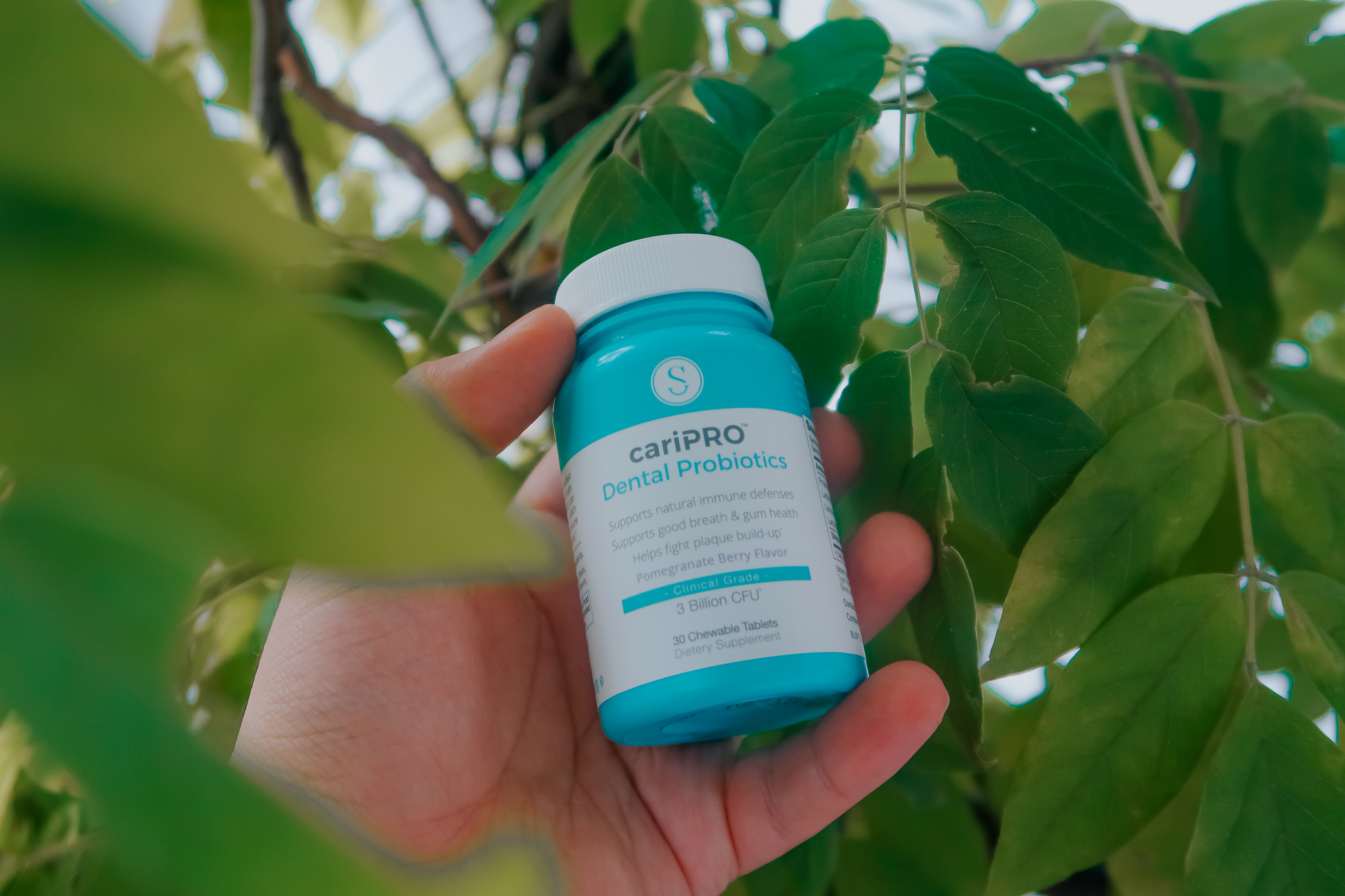
The oral cavity, while seemingly simple, is a complex ecosystem teeming with a diverse microbial community. Maintaining a balanced and beneficial oral microbiota is crucial for preventing dental caries (cavities), periodontal disease (gum disease), and other oral health issues. While traditional methods of oral hygiene, such as brushing and flossing, remain paramount, emerging research highlights the significant potential of probiotics in bolstering oral health and preventing dental problems. This article explores the current understanding of probiotics and their role in maintaining a healthy oral microbiome, focusing on their mechanisms of action and clinical evidence supporting their efficacy.
The human oral cavity harbors hundreds of bacterial species, along with archaea, fungi, and viruses. This complex community, known as the oral microbiome, exists in a dynamic equilibrium, with beneficial and pathogenic microorganisms coexisting. A healthy oral microbiome is characterized by a balanced composition, where beneficial bacteria outnumber and suppress the growth of potentially harmful species. However, this equilibrium can be disrupted, leading to a state of dysbiosis.
Several factors can contribute to the disruption of the oral microbiome, including:
When dysbiosis occurs, the balance shifts towards pathogenic bacteria, leading to an increased risk of various oral diseases. This highlights the importance of strategies aimed at restoring and maintaining a healthy oral microbiome.
Probiotics are live microorganisms, primarily bacteria and yeasts, that, when administered in adequate amounts, confer a health benefit on the host. Their beneficial effects in the gut microbiome are well-established, but research is increasingly demonstrating their potential in improving oral health.
Probiotics exert their beneficial effects through various mechanisms, including:
While research is ongoing, a growing body of evidence suggests the efficacy of probiotics in preventing and treating various dental problems. Several studies have demonstrated that the administration of specific probiotic strains can reduce the levels of cariogenic bacteria, improve gingival health, and reduce plaque accumulation.
Numerous studies have investigated the role of probiotics in preventing dental caries. Several strains, such as Lactobacillus rhamnosus GG, Lactobacillus salivarius, and Streptococcus salivarius K12, have shown promising results in reducing S. mutans counts and decreasing the incidence of dental caries in both children and adults. These strains appear to effectively inhibit the growth of S. mutans through competitive exclusion and the production of antimicrobial substances.
Periodontal disease, a chronic inflammatory condition affecting the supporting tissues of the teeth, is a major cause of tooth loss. Studies have indicated that certain probiotic strains can reduce gingival inflammation, improve periodontal parameters, and decrease the levels of periodontal pathogens. Lactobacillus species and Bifidobacterium species have been shown to have beneficial effects on periodontal health by modulating the inflammatory response and reducing the severity of gingivitis.
Halitosis, or bad breath, is often caused by the accumulation of volatile sulfur compounds (VSCs) produced by anaerobic bacteria in the oral cavity. Some probiotics have demonstrated the ability to reduce VSC production by competing with VSC-producing bacteria and modifying the oral microbiome towards a less odorous profile. Further research is needed to determine the efficacy of specific probiotic strains for the treatment of halitosis.
Despite the promising results, several challenges remain in the application of probiotics for dental health. These include:
Future research should focus on identifying the most effective probiotic strains, developing optimal delivery systems, and establishing standardized protocols for probiotic use in dental practice. Personalized approaches that consider individual oral microbiome composition and genetic factors may also enhance the efficacy of probiotic interventions.
In conclusion, probiotics hold significant promise as a novel and complementary approach to preventing dental problems. While further research is needed to fully elucidate their mechanisms of action and optimize their clinical application, the accumulating evidence suggests that probiotics can play a valuable role in maintaining a healthy oral microbiome and promoting oral health.