
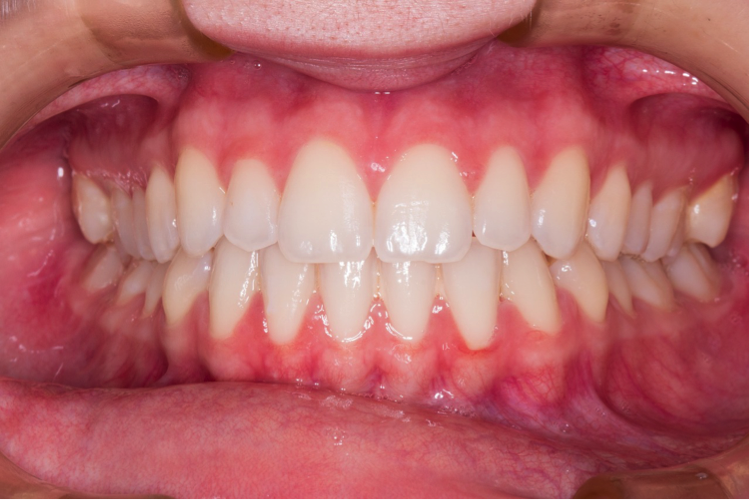
White Gums: Implications for Oral Health and Treatment Strategies
The appearance of white patches or discoloration on the gums, medically termed leukoplakia, can be a concerning sign. While not always indicative of a serious condition, white gums warrant prompt professional evaluation. This discoloration can stem from various underlying factors, ranging from benign to potentially malignant. Understanding the causes, associated risks, and available treatment options is crucial for maintaining optimal oral health.
Etiology of White Gums
The diverse origins of white gums necessitate a careful differential diagnosis. The color change itself is not a disease but rather a manifestation of underlying processes affecting the gingival tissues.
Oral Hygiene Practices and Irritation
Poor oral hygiene is a common culprit. Insufficient brushing and flossing can lead to the accumulation of plaque and tartar, resulting in gingival inflammation (gingivitis). Chronic inflammation can cause the gums to appear white due to the altered blood supply and cellular changes within the tissue. Aggressive brushing, conversely, can also traumatize the gums, causing localized areas of whitening.
Medications and Systemic Conditions
Certain medications, particularly those used in chemotherapy or immunosuppressive therapies, can have adverse effects on the oral mucosa, leading to white patches on the gums. Similarly, various systemic diseases, such as lichen planus, lupus erythematosus, and diabetes, can manifest orally as white lesions. These conditions often present with additional symptoms beyond the gum discoloration.
Fungal Infections
Candidiasis, commonly known as oral thrush, is a fungal infection caused by the Candida albicans yeast. This opportunistic infection is more prevalent in individuals with weakened immune systems, such as those undergoing chemotherapy, taking antibiotics, or having uncontrolled diabetes. Oral thrush often presents as white, creamy patches on the gums and tongue that can be scraped off, revealing a red, inflamed underlying mucosa.
Leukoplakia and Oral Cancer
Leukoplakia, a term encompassing various white lesions of the oral mucosa, is a significant concern. While many cases of leukoplakia are benign, a subset can represent precancerous lesions or early-stage oral cancer. These lesions are typically characterized by thicker, tougher patches that are not easily removed and are often found on the sides of the tongue or inner cheek. Smoking, excessive alcohol consumption, and human papillomavirus (HPV) infection are significant risk factors for leukoplakia and oral cancer. Regular dental examinations are essential for early detection.
Other Causes
Other less common causes include geographic tongue (benign migratory glossitis), which can sometimes affect the gums, and frictional keratosis, caused by chronic rubbing or irritation of the gums against dental appliances or sharp tooth edges. Certain vitamin deficiencies can also contribute to gum discoloration and inflammation.
Diagnosis and Evaluation
A thorough clinical examination by a dentist or periodontist is crucial for determining the cause of white gums. The dentist will assess the appearance, texture, and location of the white patches, inquire about the patient's medical history, and consider any relevant risk factors.
Visual Examination and Medical History
The dentist will visually inspect the gums and surrounding oral tissues, noting the color, size, shape, and texture of the white patches. A detailed medical history, including current medications, smoking status, alcohol consumption, and any systemic diseases, is crucial for a comprehensive assessment.
Diagnostic Tests
Depending on the clinical findings, further diagnostic tests may be necessary. These may include:
- Microscopic examination: A scraping of the white lesion can be examined under a microscope to identify the presence of fungal organisms or abnormal cells.
- Biopsy: A small tissue sample is taken from the lesion and sent to a laboratory for pathological examination. This is particularly important for leukoplakia to assess the potential for malignancy.
- Blood tests: These tests can help identify underlying systemic conditions that may be contributing to the white gum discoloration.
Treatment Strategies
Treatment of white gums depends entirely on the underlying cause. The approach varies significantly from simple improvements in oral hygiene to complex medical interventions.
Improving Oral Hygiene
For white gums resulting from poor oral hygiene, meticulous brushing and flossing are essential. The dentist can provide guidance on proper brushing techniques and recommend appropriate dental aids, such as interdental brushes or floss picks. Regular professional cleanings are also vital for removing plaque and tartar buildup.
Medical Management of Underlying Conditions
If the white gums are associated with a systemic condition, such as diabetes or lupus, managing the underlying disease is crucial. This may involve medication adjustments, lifestyle changes, or other therapeutic interventions.
Antifungal Therapy
For candidiasis, antifungal medications, either topical or systemic, are typically prescribed. The choice of medication and treatment duration will depend on the severity of the infection and the patient's overall health.
Surgical Intervention and Oncology Management
In cases of leukoplakia or suspected oral cancer, surgical removal of the lesion may be necessary. This allows for pathological examination to confirm the diagnosis and ensure complete removal of any cancerous cells. Further treatment, such as chemotherapy or radiation therapy, may be required depending on the stage and type of cancer.
Prevention and Prognosis
Preventing white gums involves maintaining optimal oral hygiene, practicing regular dental check-ups, and addressing any underlying medical conditions. Regular dental check-ups allow for early detection of potential problems and prompt intervention. Quitting smoking and limiting alcohol consumption significantly reduce the risk of leukoplakia and oral cancer. A healthy lifestyle, including a balanced diet and stress management, contributes to overall health and reduces susceptibility to oral infections.
The prognosis for white gums depends heavily on the underlying cause. While many cases resolve with appropriate treatment and improved oral hygiene, conditions like oral cancer require prompt and aggressive management. Early detection and intervention significantly improve the chances of successful treatment and a positive outcome.
Disclaimer: This information is for educational purposes only and does not constitute medical advice. Always consult with a qualified dental professional for diagnosis and treatment of any oral health concerns.
No comments:
Post a Comment