
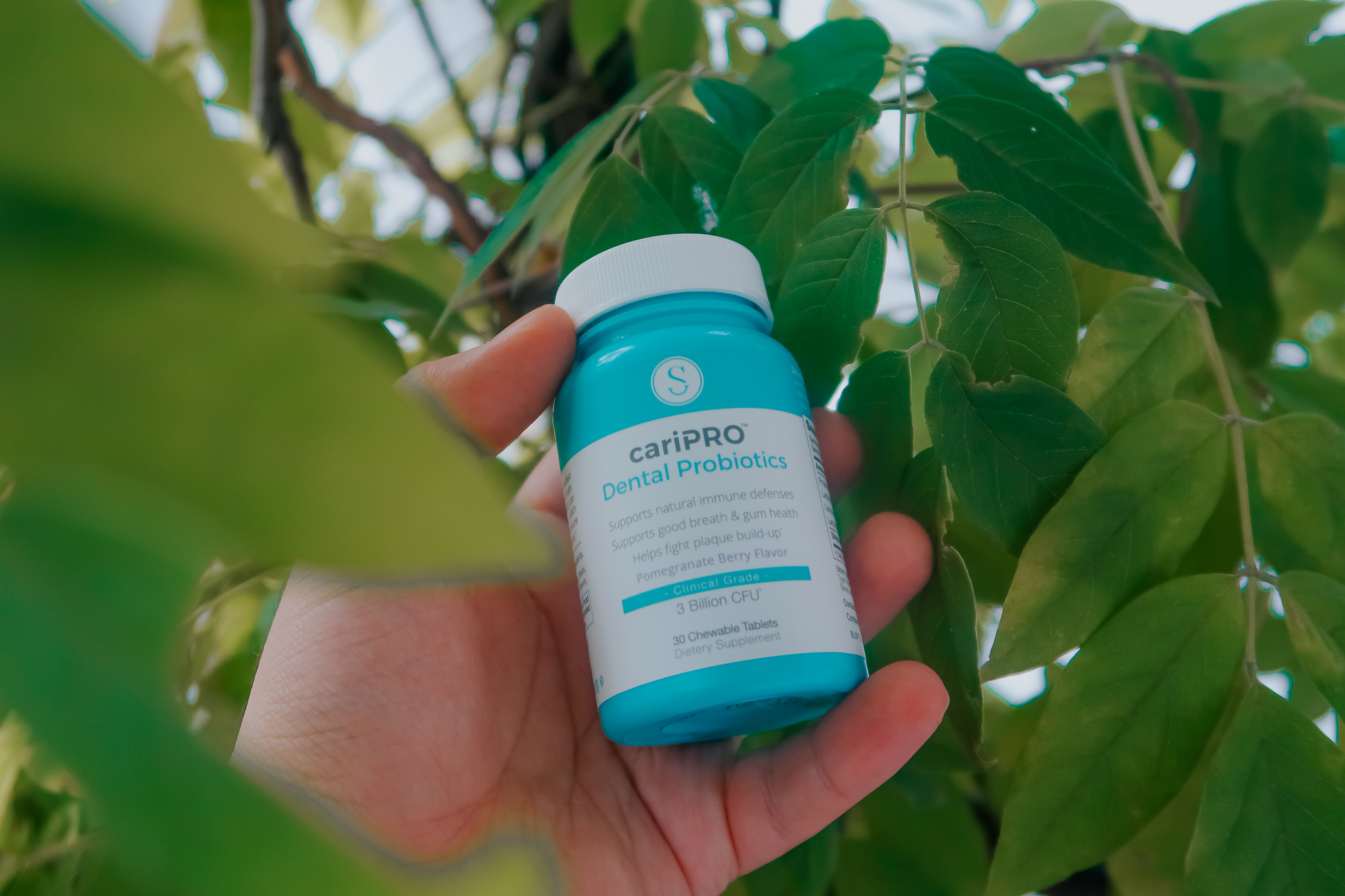
The Power of Probiotics in Preventing Dental Problems
The oral cavity, while seemingly simple, is a complex ecosystem teeming with a diverse microbial community. Maintaining a balanced and beneficial oral microbiota is crucial for preventing dental caries (cavities), periodontal disease (gum disease), and other oral health issues. While traditional methods of oral hygiene, such as brushing and flossing, remain paramount, emerging research highlights the significant potential of probiotics in bolstering oral health and preventing dental problems. This article explores the current understanding of probiotics and their role in maintaining a healthy oral microbiome, focusing on their mechanisms of action and clinical evidence supporting their efficacy.
Understanding the Oral Microbiome and its Dysbiosis
The human oral cavity harbors hundreds of bacterial species, along with archaea, fungi, and viruses. This complex community, known as the oral microbiome, exists in a dynamic equilibrium, with beneficial and pathogenic microorganisms coexisting. A healthy oral microbiome is characterized by a balanced composition, where beneficial bacteria outnumber and suppress the growth of potentially harmful species. However, this equilibrium can be disrupted, leading to a state of dysbiosis.
Factors Contributing to Oral Dysbiosis
Several factors can contribute to the disruption of the oral microbiome, including:
- Poor oral hygiene practices: Inadequate brushing and flossing allow the accumulation of plaque, providing a breeding ground for pathogenic bacteria.
- Dietary habits: A diet high in refined sugars and carbohydrates promotes the growth of acidogenic bacteria, which produce acids that erode tooth enamel.
- Smoking and tobacco use: These habits significantly alter the oral microbiome, increasing the risk of periodontal disease and oral cancers.
- Systemic diseases: Conditions like diabetes and HIV can negatively impact the immune response, making individuals more susceptible to oral infections.
- Genetic predisposition: Individual genetic variations can influence the composition and susceptibility of the oral microbiome.
When dysbiosis occurs, the balance shifts towards pathogenic bacteria, leading to an increased risk of various oral diseases. This highlights the importance of strategies aimed at restoring and maintaining a healthy oral microbiome.
The Role of Probiotics in Oral Health
Probiotics are live microorganisms, primarily bacteria and yeasts, that, when administered in adequate amounts, confer a health benefit on the host. Their beneficial effects in the gut microbiome are well-established, but research is increasingly demonstrating their potential in improving oral health.
Mechanisms of Action of Probiotics in the Oral Cavity
Probiotics exert their beneficial effects through various mechanisms, including:
- Competitive exclusion: Probiotics compete with pathogenic bacteria for nutrients and attachment sites on the tooth surface and oral mucosa, thereby limiting their colonization and growth.
- Production of antimicrobial substances: Some probiotic strains produce bacteriocins and other antimicrobial compounds that inhibit the growth of pathogenic bacteria, such as Streptococcus mutans, a key contributor to dental caries.
- Modulation of the immune response: Probiotics can interact with the host's immune system, enhancing its ability to fight against infections and reducing inflammation.
- Production of beneficial metabolites: Certain probiotics produce metabolites, such as short-chain fatty acids, that have anti-inflammatory and immunomodulatory effects.
- Strengthening the mucosal barrier: Probiotics can enhance the integrity of the oral mucosa, providing a better barrier against the invasion of pathogens.
Clinical Evidence Supporting the Use of Probiotics in Preventing Dental Problems
While research is ongoing, a growing body of evidence suggests the efficacy of probiotics in preventing and treating various dental problems. Several studies have demonstrated that the administration of specific probiotic strains can reduce the levels of cariogenic bacteria, improve gingival health, and reduce plaque accumulation.
Probiotics and Dental Caries
Numerous studies have investigated the role of probiotics in preventing dental caries. Several strains, such as Lactobacillus rhamnosus GG, Lactobacillus salivarius, and Streptococcus salivarius K12, have shown promising results in reducing S. mutans counts and decreasing the incidence of dental caries in both children and adults. These strains appear to effectively inhibit the growth of S. mutans through competitive exclusion and the production of antimicrobial substances.
Probiotics and Periodontal Disease
Periodontal disease, a chronic inflammatory condition affecting the supporting tissues of the teeth, is a major cause of tooth loss. Studies have indicated that certain probiotic strains can reduce gingival inflammation, improve periodontal parameters, and decrease the levels of periodontal pathogens. Lactobacillus species and Bifidobacterium species have been shown to have beneficial effects on periodontal health by modulating the inflammatory response and reducing the severity of gingivitis.
Probiotics and Halitosis
Halitosis, or bad breath, is often caused by the accumulation of volatile sulfur compounds (VSCs) produced by anaerobic bacteria in the oral cavity. Some probiotics have demonstrated the ability to reduce VSC production by competing with VSC-producing bacteria and modifying the oral microbiome towards a less odorous profile. Further research is needed to determine the efficacy of specific probiotic strains for the treatment of halitosis.
Challenges and Future Directions
Despite the promising results, several challenges remain in the application of probiotics for dental health. These include:
- Strain-specific effects: The efficacy of probiotics is highly strain-specific, and not all probiotic strains are equally effective in preventing or treating dental problems. Further research is needed to identify the most effective strains for specific oral conditions.
- Delivery systems: Effective delivery systems are crucial to ensure the survival and colonization of probiotics in the oral cavity. Different delivery methods, such as lozenges, mouthwashes, and chewing gums, are being explored.
- Dosage and duration of treatment: Optimal dosage and duration of probiotic treatment need to be determined for various oral conditions.
- Long-term effects: Long-term studies are necessary to assess the long-term safety and efficacy of probiotic use in preventing dental problems.
Future research should focus on identifying the most effective probiotic strains, developing optimal delivery systems, and establishing standardized protocols for probiotic use in dental practice. Personalized approaches that consider individual oral microbiome composition and genetic factors may also enhance the efficacy of probiotic interventions.
In conclusion, probiotics hold significant promise as a novel and complementary approach to preventing dental problems. While further research is needed to fully elucidate their mechanisms of action and optimize their clinical application, the accumulating evidence suggests that probiotics can play a valuable role in maintaining a healthy oral microbiome and promoting oral health.
No comments:
Post a Comment