Effective Natural Remedies to Stop Gums from Bleeding and Heal Fast

Effective Natural Remedies to Stop Gums from Bleeding and Heal Fast

Effective Natural Remedies to Stop Gums from Bleeding and Heal Fast

Bleeding gums, a common symptom often associated with gingivitis (gum inflammation) and periodontitis (gum disease), can be indicative of underlying oral health issues. While professional dental care is paramount for addressing the root cause, several natural remedies can complement treatment and promote faster healing. These remedies should be considered adjunctive therapies and not replacements for professional dental advice and treatment.

Understanding the Causes of Bleeding Gums

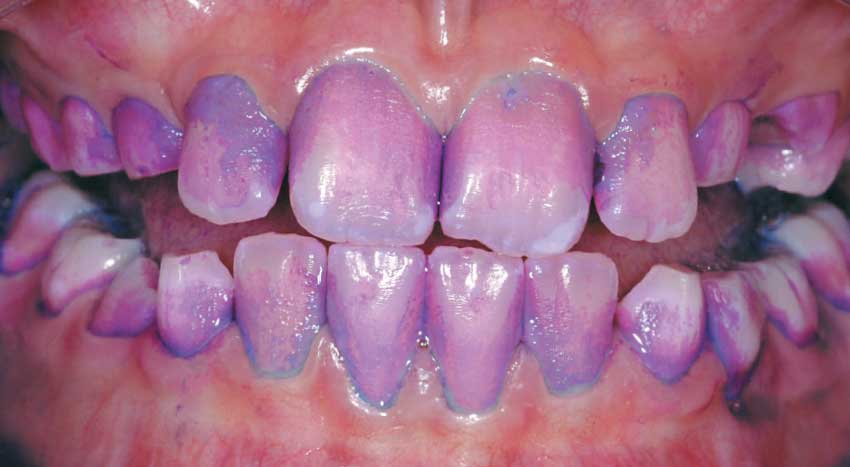
Before exploring natural remedies, it's crucial to understand why gums bleed. The most prevalent cause is poor oral hygiene. Accumulated plaque, a sticky film of bacteria, irritates the gums, leading to inflammation and bleeding. Other contributing factors include:

  • Gingivitis: This early stage of gum disease is characterized by red, swollen, and bleeding gums.
  • Periodontitis: A more advanced stage where the infection extends to the supporting structures of the teeth, potentially leading to tooth loss.
  • Aggressive Brushing: Using a hard-bristled toothbrush or brushing too vigorously can damage gum tissue.
  • Vitamin Deficiencies: Deficiencies in Vitamin C and K can impair collagen production, impacting gum health and increasing bleeding.
  • Hormonal Changes: Fluctuations in hormone levels, particularly during pregnancy and puberty, can make gums more susceptible to bleeding.
  • Certain Medications: Some medications, such as blood thinners, can increase the risk of bleeding gums.
  • Systemic Diseases: Underlying medical conditions like diabetes can exacerbate gum disease and bleeding.

Natural Remedies for Bleeding Gums

While professional dental cleaning and treatment are crucial for managing gum disease, several natural remedies can assist in reducing inflammation, promoting healing, and preventing further bleeding. Remember to consult your dentist or physician before incorporating these remedies, especially if you have pre-existing health conditions or are taking medication.

1. Saltwater Rinse

A simple yet effective remedy, saltwater rinses possess antiseptic properties that help reduce inflammation and remove food particles and bacteria from the gum line. Dissolve half a teaspoon of salt in a glass of warm water and gently swish the solution around your mouth for 30-60 seconds, then spit it out. Repeat this several times a day.

2. Hydrogen Peroxide Rinse

Hydrogen peroxide, a mild antiseptic, can help kill bacteria and reduce inflammation. Dilute 3% hydrogen peroxide with an equal amount of water. Rinse gently for 30 seconds, then thoroughly rinse your mouth with plain water. Do not swallow the solution. Use this rinse sparingly, as overuse can damage gum tissue.

3. Aloe Vera Gel

Known for its anti-inflammatory and wound-healing properties, aloe vera gel can soothe irritated gums and promote healing. Apply a small amount of pure aloe vera gel directly to the bleeding gums. Allow it to remain for a few minutes before rinsing with water. Avoid using aloe vera products containing additives or preservatives.

4. Tea Tree Oil

Tea tree oil possesses potent antimicrobial properties and can effectively combat the bacteria contributing to gum inflammation. However, it should be used with caution and diluted properly. Mix a few drops of tea tree oil with a tablespoon of carrier oil, such as coconut or olive oil. Gently apply the diluted solution to the affected area using a cotton swab. Avoid swallowing tea tree oil, and conduct a patch test before applying it to a larger area to check for allergic reactions.

5. Clove Oil

Clove oil contains eugenol, a natural anesthetic and antiseptic that can numb pain and reduce inflammation. Apply a tiny drop of clove oil directly to the bleeding gum using a cotton swab. Use sparingly, as it can be potent. Clove oil should not be ingested.

6. Guava Leaves

Guava leaves possess anti-inflammatory and antibacterial properties that can benefit gum health. Chewing on fresh guava leaves or using a guava leaf rinse can help reduce bleeding and inflammation. Steep a handful of guava leaves in boiling water for 15 minutes, then allow the tea to cool. Rinse your mouth with the guava leaf tea several times a day.

7. Turmeric

Turmeric, known for its anti-inflammatory properties, can reduce gum inflammation and promote healing. You can either use turmeric powder as a mouth rinse (mix a teaspoon of turmeric powder with warm water) or apply a turmeric paste directly to the affected gums.

8. Vitamin C and K Intake

Ensuring adequate intake of Vitamin C and K is crucial for maintaining healthy gums. Vitamin C plays a vital role in collagen production, essential for gum tissue health. Vitamin K is involved in blood clotting and helps prevent bleeding. Include vitamin C-rich foods like citrus fruits, berries, and leafy greens, and Vitamin K-rich foods like broccoli, kale, and spinach in your diet.

Lifestyle Modifications and Preventative Measures

Beyond natural remedies, several lifestyle modifications can significantly reduce the risk of bleeding gums and improve overall oral health:

  • Maintain excellent oral hygiene: Brush your teeth twice a day with a soft-bristled toothbrush and floss daily. Use a fluoride toothpaste.
  • Use a mouthwash: An antimicrobial mouthwash can help kill bacteria and reduce plaque buildup.
  • Visit your dentist regularly: Professional dental cleanings and checkups are crucial for preventing and managing gum disease.
  • Quit smoking: Smoking significantly increases the risk of gum disease and other oral health problems.
  • Manage stress: Stress can weaken the immune system, making you more susceptible to infections, including gum disease.
  • Eat a balanced diet: A diet rich in fruits, vegetables, and whole grains supports overall health, including oral health.

Disclaimer: This article provides information on natural remedies for bleeding gums. It is not intended as a substitute for professional medical advice. Always consult your dentist or physician before starting any new treatment, especially if you have underlying health conditions or are taking medication.

Share:

How to Naturally Alleviate Gum Pain and Sensitivity

How to Naturally Alleviate Gum Pain and Sensitivity

Naturally Alleviating Gum Pain and Sensitivity

Gum pain and sensitivity, often indicative of underlying oral health issues, can significantly impact an individual's quality of life. While professional dental care is paramount in addressing the root causes of such discomfort, several natural remedies can effectively alleviate symptoms and promote overall gum health. This comprehensive guide explores a range of natural approaches, emphasizing their mechanisms of action and potential benefits, while acknowledging the importance of consulting with a dental professional for proper diagnosis and treatment.

Understanding the Etiology of Gum Pain and Sensitivity

Before delving into natural remedies, it's crucial to understand the potential causes of gum pain and sensitivity. These can range from relatively minor irritations to more serious conditions requiring professional intervention. Common culprits include:

  • Gingivitis: This early stage of gum disease is characterized by inflammation and redness of the gums, often accompanied by bleeding during brushing or flossing. It's usually reversible with improved oral hygiene.
  • Periodontitis: A more advanced form of gum disease, periodontitis involves the destruction of the tissues supporting the teeth. This can lead to significant pain, sensitivity, and potentially tooth loss.
  • Receding Gums: The gradual loss of gum tissue exposes the tooth roots, making them sensitive to temperature changes, pressure, and sweets.
  • Trauma: Injury to the gums, such as from biting hard food or accidental injury, can cause immediate pain and inflammation.
  • Improper Brushing Technique: Aggressive brushing or using a hard-bristled toothbrush can irritate the gums, leading to sensitivity and pain.
  • Dry Mouth: A reduction in saliva production can compromise the mouth's natural protective mechanisms, making the gums more vulnerable to irritation and infection.
  • Certain Medications: Some medications can have side effects that include dry mouth or gum inflammation.

Natural Remedies for Gum Pain and Sensitivity

While natural remedies can provide symptomatic relief and support overall oral health, it's crucial to remember that they are not a substitute for professional dental care. They should be used in conjunction with, and not instead of, regular dental checkups and professional cleanings.

Saltwater Rinses

Saltwater rinses are a time-honored remedy for various oral ailments, including gum inflammation. The salt's antimicrobial properties help reduce bacterial load, while its osmotic effect draws out excess fluid from inflamed tissues, reducing swelling and pain. To prepare a saltwater rinse, dissolve 1/2 to 3/4 teaspoon of salt in 8 ounces of warm water. Swish gently for 30-60 seconds, then spit out. Repeat several times a day.

Hydrogen Peroxide Rinses

Hydrogen peroxide possesses potent antimicrobial properties, making it effective in combating oral bacteria that contribute to gum inflammation. However, it's crucial to use a diluted solution (3% hydrogen peroxide diluted to 1:1 with water) and to rinse gently to avoid damaging gum tissues. Never swallow hydrogen peroxide. Use this rinse sparingly, as frequent use can irritate the gums.

Essential Oils

Certain essential oils, particularly tea tree oil and clove oil, exhibit antimicrobial and anti-inflammatory properties. However, it's crucial to use these oils with extreme caution and always dilute them significantly before applying to the gums. Undiluted essential oils can cause significant irritation and damage. Always conduct a patch test before widespread application and consult a healthcare professional if you have any concerns.

Aloe Vera

Aloe vera gel, known for its soothing and anti-inflammatory properties, can provide temporary relief from gum pain and sensitivity. Apply a small amount of pure aloe vera gel directly to the affected area. Its cooling effect can help reduce inflammation and discomfort. Ensure the aloe vera product is pure and free from additives that could further irritate the gums.

Cold Compresses

Applying a cold compress to the affected area can help reduce swelling and numb the pain temporarily. Wrap a few ice cubes in a thin cloth and apply it to the gums for 10-15 minutes at a time. Repeat as needed. The cold constricts blood vessels, minimizing inflammation and pain.

Dietary Adjustments

Dietary changes can significantly impact gum health. Reducing the intake of sugary foods and drinks minimizes the bacterial load in the mouth, a major contributor to gum disease. Increasing the consumption of fruits and vegetables rich in antioxidants and vitamins can promote overall gum health and strengthen immune defenses.

Maintaining Optimal Oral Hygiene

Regardless of the remedies employed, maintaining meticulous oral hygiene is paramount in managing gum pain and sensitivity. This involves:

  • Brushing: Brush your teeth twice daily with a soft-bristled toothbrush, using gentle, circular motions. Avoid harsh scrubbing, which can damage the gums.
  • Flossing: Floss at least once a day to remove plaque and food particles from between the teeth and along the gum line. Gentle flossing is key to prevent gum injury.
  • Mouthwash: Use a therapeutic mouthwash as directed by your dentist. Some mouthwashes contain antimicrobials or ingredients that reduce inflammation.
  • Regular Dental Checkups: Schedule regular professional dental cleanings and examinations. Early detection and treatment of gum disease are essential for preventing more serious complications.

When to Seek Professional Dental Care

While natural remedies can provide temporary relief, persistent or severe gum pain and sensitivity warrant immediate professional attention. Do not delay seeking dental care if you experience:

  • Persistent bleeding gums
  • Severe gum pain or swelling
  • Loose teeth
  • Pus around the teeth
  • Changes in bite
  • Receding gums

A dental professional can accurately diagnose the underlying cause of your gum problems and recommend appropriate treatment, which may include scaling and root planing, antibiotic therapy, or surgical intervention in severe cases. Early intervention is crucial to prevent irreversible damage and preserve your oral health.

In conclusion, while natural remedies can offer temporary relief and support overall gum health, they should be viewed as complementary therapies, not replacements for professional dental care. Maintaining optimal oral hygiene practices and seeking timely professional attention are crucial for managing gum pain and sensitivity effectively and preventing serious complications.

Share:

How Probiotics and Xylitol in Oral Health Supplements Fight Plaque

How Probiotics and Xylitol in Oral Health Supplements Fight Plaque

The Synergistic Effects of Probiotics and Xylitol in Combating Dental Plaque

Dental plaque, a biofilm composed of bacteria, remains a significant contributor to various oral health problems, including gingivitis, periodontitis, and caries. Traditional approaches to plaque control, primarily mechanical removal through brushing and flossing, often prove insufficient in completely eliminating this tenacious bacterial community. Consequently, there has been a growing interest in exploring supplementary strategies to enhance plaque control and promote oral health. Among these, probiotics and xylitol have emerged as promising agents, and their combined use offers a potentially powerful approach to combating plaque formation and its associated detrimental effects.

The Role of Probiotics in Oral Health

Probiotics, defined as live microorganisms that confer a health benefit on the host when administered in adequate amounts, have demonstrated efficacy in modulating the oral microbiome and improving oral health outcomes. Their mechanisms of action in plaque control are multifaceted and involve several key processes:

Competitive Exclusion and Inhibition of Pathogenic Bacteria

Beneficial probiotic strains, when introduced into the oral cavity, compete with pathogenic bacteria for adhesion sites on the tooth surface and other oral tissues. This competitive exclusion limits the ability of harmful bacteria, such as Streptococcus mutans (a key contributor to caries) and Porphyromonas gingivalis (a significant player in periodontitis), to colonize and proliferate, thereby reducing plaque formation. This competition is often mediated through the production of antimicrobial substances or the modification of the local environmental conditions, making it less hospitable for the growth of pathogenic bacteria.

Production of Antimicrobial Substances

Many probiotic strains possess the capacity to produce various antimicrobial substances, including bacteriocins, organic acids, and hydrogen peroxide. These substances directly inhibit the growth and survival of plaque-forming bacteria. Bacteriocins, for instance, are ribosomally synthesized antimicrobial peptides that exhibit specific activity against closely related bacterial strains. Organic acids, such as lactic acid and acetic acid, contribute to a lowered pH environment, inhibiting the growth of acid-sensitive bacteria. Hydrogen peroxide, a reactive oxygen species, possesses potent bactericidal activity.

Modulation of the Immune Response

Probiotics can influence the host’s immune response, contributing to a more balanced and effective response against oral pathogens. They may enhance the production of antimicrobial peptides by epithelial cells and stimulate the activity of immune cells, such as macrophages and lymphocytes. This improved immune response helps to clear pathogenic bacteria from the oral cavity and reduce inflammation associated with plaque accumulation.

Strain Specificity and Efficacy

It is crucial to note that the efficacy of probiotic strains in modulating the oral microbiome and combating plaque varies significantly depending on the specific strain utilized. Lactobacillus and Bifidobacterium species are frequently investigated for their probiotic potential in oral health, but not all strains within these genera demonstrate the same level of effectiveness. Careful selection of probiotic strains based on robust scientific evidence is essential for maximizing their impact on plaque control.

The Role of Xylitol in Oral Health

Xylitol, a five-carbon sugar alcohol, is another promising agent in the fight against dental plaque. Unlike sucrose, which is readily metabolized by cariogenic bacteria, xylitol is poorly metabolized by these bacteria. This characteristic contributes significantly to its plaque-reducing effects:

Inhibition of Bacterial Metabolism

The inability of S. mutans and other cariogenic bacteria to effectively utilize xylitol as an energy source prevents them from producing acids that contribute to demineralization of tooth enamel. This reduced acid production significantly diminishes the risk of caries development. Furthermore, xylitol's inhibitory effect on bacterial metabolism can also hinder the formation of plaque itself.

Anti-adhesive Properties

Some studies suggest that xylitol may possess anti-adhesive properties, interfering with the ability of bacteria to adhere to tooth surfaces. This reduced adhesion limits the formation of biofilms and, consequently, plaque accumulation. The exact mechanisms behind this anti-adhesive effect are still under investigation, but it is believed to involve interference with bacterial surface proteins responsible for adhesion.

Stimulation of Saliva Production

Xylitol has been shown to stimulate saliva production. Saliva plays a crucial role in oral health by neutralizing acids, removing food debris, and lubricating the oral tissues. Increased saliva flow enhances the natural clearance of bacteria and reduces the risk of plaque formation.

Synergistic Effects of Probiotics and Xylitol

The combined use of probiotics and xylitol offers a potentially synergistic approach to enhancing plaque control. The mechanisms through which these agents work together remain a subject of ongoing research, but several plausible explanations exist:

  • Enhanced competitive exclusion: Probiotics can occupy adhesion sites, preventing the colonization of xylitol-resistant bacteria, further reducing plaque formation.
  • Improved antimicrobial activity: The reduced acid production resulting from xylitol's presence may create a more favorable environment for the action of probiotic-produced antimicrobial substances.
  • Potentiated immune response: Xylitol's stimulation of saliva production may enhance the delivery of probiotics and immune cells to the oral cavity, amplifying the immune response against plaque-forming bacteria.
  • While research on the combined efficacy of probiotics and xylitol is still relatively limited, preliminary findings suggest a potential for additive or even synergistic effects in reducing plaque accumulation and improving oral health parameters. Further studies, employing rigorous methodologies and larger sample sizes, are needed to fully elucidate the mechanisms and magnitude of this combined effect.

    Conclusion

    Probiotics and xylitol represent promising non-invasive approaches to enhancing plaque control and improving oral health. While both agents have demonstrated individual efficacy in reducing plaque formation and its associated complications, their combined use holds the potential for synergistic benefits. Further research is warranted to explore the full potential of this combined approach, optimizing the selection of probiotic strains and xylitol formulations to maximize their effectiveness and contribute to improved oral health outcomes for a broader population.

    Future research directions should include: in-depth analysis of the interplay between different probiotic strains and xylitol; investigation of the optimal dosages and delivery methods for both agents; clinical trials evaluating the long-term efficacy and safety of combined probiotic-xylitol interventions; and exploration of potential interactions with other oral healthcare products and habits. This multi-faceted approach will be crucial in establishing the clinical significance of combined probiotic and xylitol therapies for enhanced plaque control and improved oral health management.

    Share:

    How Probiotics Help in Reducing Gum Bleeding and Inflammation

    How Probiotics Help in Reducing Gum Bleeding and Inflammation

    The Role of Probiotics in Mitigating Gingival Bleeding and Inflammation

    Gingivitis, characterized by gum inflammation and bleeding, is a prevalent oral health issue stemming from the dysbiosis of the oral microbiome. While traditional treatments like meticulous oral hygiene and professional cleaning are cornerstones of management, emerging research highlights the potential therapeutic benefits of probiotics in addressing this condition. This article delves into the mechanisms through which probiotics may reduce gum bleeding and inflammation, examining the supporting evidence and considering future research directions.

    Understanding the Oral Microbiome and Gingivitis

    The human oral cavity harbors a complex and dynamic ecosystem of microorganisms, collectively known as the oral microbiome. This diverse community encompasses bacteria, archaea, fungi, and viruses, existing in a delicate balance that is crucial for maintaining oral health. A shift in this balance, termed dysbiosis, can lead to the development of various oral diseases, including gingivitis. In gingivitis, a pathogenic shift occurs within the oral microbiome, with an increase in the abundance of gram-negative anaerobic bacteria such as Porphyromonas gingivalis, Tannerella forsythia, and Treponema denticola. These bacteria produce various virulence factors, including lipopolysaccharide (LPS), gingipains, and other enzymes, which trigger an inflammatory response in the gingival tissues.

    The Inflammatory Cascade in Gingivitis

    The inflammatory response in gingivitis is a complex process involving various immune cells and mediators. LPS, a major component of the gram-negative bacterial cell wall, acts as a potent immunostimulant, binding to toll-like receptor 4 (TLR4) on the surface of immune cells such as macrophages and dendritic cells. This interaction initiates a cascade of signaling events, leading to the release of pro-inflammatory cytokines, including interleukin-1β (IL-1β), interleukin-6 (IL-6), tumor necrosis factor-α (TNF-α), and prostaglandin E2 (PGE2). These inflammatory mediators contribute to the characteristic signs and symptoms of gingivitis, including gingival erythema (redness), edema (swelling), bleeding on probing, and pain.

    The Mechanisms of Probiotic Action in Gingivitis

    Probiotics, defined as live microorganisms that confer a health benefit on the host when administered in adequate amounts, offer a promising approach to modulating the oral microbiome and mitigating gingivitis. Their beneficial effects are mediated through several mechanisms:

    Competitive Exclusion

    Probiotics can competitively inhibit the growth and colonization of pathogenic bacteria by competing for nutrients and attachment sites on the tooth surface and gingival epithelium. By occupying these niches, they effectively reduce the availability of resources for pathogenic bacteria, limiting their proliferation and virulence.

    Production of Antimicrobial Substances

    Certain probiotic strains produce antimicrobial substances, such as bacteriocins, hydrogen peroxide, and organic acids, that directly inhibit the growth of pathogenic bacteria. These substances can disrupt bacterial cell membranes, inhibit enzyme activity, or alter bacterial metabolism, thereby reducing their ability to cause disease.

    Modulation of the Immune Response

    Probiotics can modulate the host immune response by influencing the production of cytokines and other immune mediators. They can downregulate the production of pro-inflammatory cytokines, such as IL-1β, IL-6, and TNF-α, while upregulating the production of anti-inflammatory cytokines, such as IL-10. This shift towards an anti-inflammatory milieu helps to reduce gingival inflammation and bleeding.

    Enhancement of the Host's Defence Mechanisms

    Probiotics can strengthen the host's natural defense mechanisms against pathogens. They can enhance the integrity of the gingival epithelium, reducing its permeability to bacterial products and preventing their entry into the underlying tissues. They can also stimulate the production of salivary immunoglobulin A (IgA), which plays a crucial role in mucosal immunity.

    Evidence Supporting the Use of Probiotics in Gingivitis

    Several clinical studies have investigated the efficacy of probiotics in reducing gingivitis. While results have been varied, a growing body of evidence suggests a beneficial effect. Many studies have demonstrated a reduction in gingival bleeding and inflammation scores in individuals receiving probiotic therapy compared to control groups. The effectiveness of probiotics appears to depend on several factors, including the specific probiotic strain used, the dosage, the duration of treatment, and the baseline severity of gingivitis.

    Challenges and Limitations of Current Research

    Despite the promising findings, limitations exist in the current research on probiotics and gingivitis. Many studies have involved small sample sizes, short treatment durations, and heterogeneous study designs, limiting the generalizability of the findings. Furthermore, the optimal probiotic strain, dosage, and administration route for treating gingivitis remain unclear. Standardized methodologies and larger, well-designed clinical trials are needed to establish the efficacy and safety of probiotics as a therapeutic intervention for gingivitis.

    Future Directions and Conclusion

    Future research should focus on identifying the most effective probiotic strains for treating gingivitis, optimizing the dosage and delivery methods, and evaluating the long-term effects of probiotic therapy. Investigating the synergistic effects of probiotics with other therapeutic modalities, such as professional mechanical cleaning and antimicrobial mouthwashes, could also be beneficial. Further research is needed to elucidate the precise mechanisms of action of probiotics in the context of the complex oral microbiome and immune system.

    In conclusion, while further research is necessary to fully elucidate their clinical utility, probiotics hold considerable promise as an adjunctive therapy in the management of gingivitis. Their ability to modulate the oral microbiome, inhibit pathogenic bacteria, and modulate the host immune response offers a potential strategy for reducing gingival bleeding and inflammation. The development of targeted probiotic therapies for gingivitis, based on a comprehensive understanding of the interactions between the oral microbiome, the host immune system, and probiotic strains, could lead to significant advancements in the prevention and treatment of this prevalent oral health problem. This approach holds the potential to offer a safer and more holistic approach to oral health, complementing existing preventative and treatment strategies.

    Note: This information is for educational purposes only and should not be considered medical advice. Always consult with a dental professional for diagnosis and treatment of any oral health condition.

    Share:

    How to Fix Bad Breath Naturally with Home Remedies and Solutions

    How to Fix Bad Breath Naturally with Home Remedies and Solutions

    How to Fix Bad Breath Naturally with Home Remedies and Solutions

    Halitosis, commonly known as bad breath, is a prevalent issue affecting a significant portion of the population. While often embarrassing and socially isolating, it's frequently treatable through natural methods and home remedies. This comprehensive guide explores various approaches to combat bad breath, providing detailed explanations and practical advice for achieving fresh breath naturally.

    Understanding the Root Causes of Bad Breath

    Before delving into solutions, it's crucial to understand the underlying causes of halitosis. Addressing the root cause is paramount for long-term success. Bad breath can stem from various factors, including:

    Oral Hygiene Practices

    Poor oral hygiene is the most common culprit. Food particles accumulating on teeth and gums decompose, releasing volatile sulfur compounds (VSCs) responsible for the unpleasant odor. Insufficient brushing and flossing allow bacterial growth, further exacerbating the problem.

    Dietary Factors

    Certain foods, such as onions, garlic, and strongly spiced dishes, can contribute significantly to bad breath due to their volatile components being absorbed into the bloodstream and released through the lungs. Highly processed foods and those high in sugar can also fuel bacterial growth in the mouth.

    Medical Conditions

    Various underlying medical conditions can cause bad breath. These include gum disease (gingivitis and periodontitis), dry mouth (xerostomia), respiratory infections, post-nasal drip, and certain systemic diseases. Persistent bad breath despite diligent oral hygiene warrants a consultation with a healthcare professional to rule out any underlying medical issues.

    Tobacco Use

    Smoking and chewing tobacco are major contributors to persistent bad breath. Tobacco products not only directly cause foul odor but also impair the mouth's natural cleansing mechanisms, promoting bacterial growth and gum disease.

    Natural Home Remedies for Bad Breath

    Numerous natural remedies can effectively combat bad breath. These methods focus on improving oral hygiene, neutralizing odors, and addressing underlying contributing factors.

    Improved Oral Hygiene Practices

    Thorough brushing is fundamental. Brush your teeth at least twice daily for two minutes each time, using a fluoride toothpaste. Pay close attention to the gumline, where bacteria often accumulate. Flossing is equally critical for removing food particles and plaque from between teeth, areas brushing can't reach. Consider using an interdental brush for better cleaning in tight spaces. Rinsing with an antimicrobial mouthwash can further reduce bacteria, but it should not replace brushing and flossing.

    Natural Mouthwashes and Rinses

    Several natural ingredients possess antimicrobial properties and can freshen breath. These can be used as supplementary rinses:

    • Hydrogen peroxide (diluted): Mix a small amount of 3% hydrogen peroxide with equal parts water. Swishing for 30 seconds can kill bacteria. However, use sparingly, as frequent use can damage tooth enamel.
    • Saltwater rinse: Dissolve half a teaspoon of salt in a glass of warm water. Gargling for 30 seconds can help reduce inflammation and kill some bacteria.
    • Baking soda rinse: A paste of baking soda and water can gently scrub teeth and neutralize acids, though long-term use might affect enamel pH.
    • Apple cider vinegar rinse (diluted): Dilute apple cider vinegar with water and rinse for a short period. Its acidity can kill bacteria, but overuse can erode tooth enamel. Always follow up with a water rinse.

    Dietary Adjustments

    Modifying your diet can significantly impact breath freshness. Reducing the intake of odor-causing foods like onions and garlic is advisable. Increasing consumption of fruits and vegetables rich in antioxidants can help promote overall oral health. Staying adequately hydrated is crucial; dry mouth promotes bacterial growth.

    Herbal Remedies

    Certain herbs possess natural antimicrobial and breath-freshening properties:

    • Clove: Chewing on a clove can temporarily mask bad breath due to its strong aroma and antimicrobial properties.
    • Parsley: Chewing on fresh parsley leaves can help neutralize odors.
    • Fennel seeds: These seeds have a naturally sweet flavor and can help freshen breath.

    Tongue Scraping

    The tongue harbors a significant amount of bacteria. Using a tongue scraper daily can help remove bacteria and debris, contributing to fresher breath. Gentle scraping from back to front is recommended.

    Staying Hydrated

    Drinking plenty of water throughout the day helps wash away food particles and bacteria, preventing dry mouth and promoting saliva production, which naturally cleanses the mouth.

    When to Seek Professional Help

    While home remedies can effectively address many cases of bad breath, persistent halitosis despite consistent efforts warrants a consultation with a dentist or healthcare professional. Underlying medical conditions, such as gum disease, dry mouth, or respiratory problems, might require professional diagnosis and treatment. A thorough examination can help identify the root cause and guide appropriate interventions.

    Maintaining Fresh Breath Long-Term

    Maintaining fresh breath requires a consistent commitment to good oral hygiene and healthy lifestyle choices. Regular dental check-ups and professional cleanings are essential. Coupled with diligent brushing, flossing, and tongue scraping, along with dietary modifications and adequate hydration, these steps ensure long-term success in combating bad breath naturally.

    Disclaimer: This information is for educational purposes only and should not be considered medical advice. Always consult a healthcare professional for any concerns regarding your health.

    Share:

    How to Treat Sensitive Gums with Natural Remedies from Your Kitchen

    How to Treat Sensitive Gums with Natural Remedies from Your Kitchen

    Naturally Soothing Sensitive Gums: A Comprehensive Guide to Home Remedies

    Sensitive gums, characterized by pain, bleeding, and inflammation, can significantly impact oral health and overall well-being. While professional dental care is crucial for addressing underlying issues, several natural remedies readily available in the kitchen can offer effective relief and contribute to improved gum health. This article explores a range of these remedies, emphasizing their mechanisms of action and providing guidance on safe and effective application.

    Understanding the Root Causes of Gum Sensitivity

    Before delving into natural remedies, it's essential to understand the potential causes of sensitive gums. This knowledge will aid in choosing the most appropriate approach and prevent further irritation.

    Gingivitis and Periodontitis

    Gingivitis, the early stage of gum disease, is marked by inflammation of the gums, often characterized by redness, swelling, and bleeding. Periodontitis, the advanced stage, involves the destruction of the tissues and bone supporting the teeth. Poor oral hygiene, allowing plaque and bacteria to accumulate, is the primary culprit in both conditions. These conditions necessitate professional dental cleaning and potentially, further intervention.

    Aggressive Brushing Techniques

    While regular brushing is vital, overly vigorous brushing or using a hard-bristled toothbrush can damage the gums, leading to sensitivity and recession. Gentle brushing with a soft-bristled brush is essential to maintaining gum health.

    Nutritional Deficiencies

    Certain vitamin deficiencies, particularly vitamin C and vitamin K, can weaken the gums, making them more susceptible to bleeding and inflammation. A balanced diet rich in fruits, vegetables, and other nutrient-dense foods is crucial for optimal gum health.

    Hormonal Fluctuations

    Hormonal changes, such as those experienced during pregnancy or menopause, can affect gum sensitivity. Fluctuations in estrogen and progesterone levels can influence the immune system and increase susceptibility to gum inflammation.

    Natural Remedies for Sensitive Gums

    The following natural remedies can provide relief from sensitive gums, but remember that they are complementary therapies and should not replace professional dental care. Always consult your dentist for diagnosis and treatment of underlying gum conditions.

    Saltwater Rinse

    A saltwater rinse is a time-honored remedy for soothing irritated gums. Salt possesses natural antiseptic properties that can help reduce inflammation and bacteria. To prepare, dissolve 1/2 to 3/4 teaspoon of salt in 8 ounces of warm water. Gently swish the solution around your mouth for 30-60 seconds, then spit it out. Repeat this several times a day.

    Aloe Vera Gel

    Aloe vera, known for its anti-inflammatory and healing properties, can provide soothing relief to sensitive gums. Apply a small amount of pure aloe vera gel directly to the affected areas using a clean finger or cotton swab. Allow it to remain for a few minutes before rinsing your mouth with warm water. Avoid swallowing the gel.

    Coconut Oil Pulling

    Oil pulling, an ancient Ayurvedic practice, involves swishing a tablespoon of coconut oil in your mouth for 15-20 minutes. Coconut oil's antimicrobial properties can help reduce bacterial load and inflammation. It is important to spit the oil into a trash receptacle, as it will solidify as it cools.

    Hydrogen Peroxide Rinse (Diluted)

    Hydrogen peroxide, a mild antiseptic, can be used in diluted form to cleanse the mouth and reduce bacteria. Mix equal parts 3% hydrogen peroxide and water. Gently swish the mixture around your mouth for 30-60 seconds, then rinse thoroughly with plain water. Use caution and avoid swallowing. This remedy should only be used sparingly and in low concentrations, as overuse can damage gum tissues.

    Green Tea Rinse

    Green tea is rich in antioxidants and possesses anti-inflammatory properties. Brew a cup of green tea, allow it to cool, and then use it as a rinse. Gently swish the tea around your mouth for 1-2 minutes, then spit it out. The tannins in green tea may also contribute to staining of the teeth.

    Dietary Considerations for Gum Health

    Maintaining a balanced diet is crucial for preventing and managing gum sensitivity. Certain foods and nutrients play a vital role in promoting gum health.

    Vitamin C-Rich Foods

    Vitamin C is essential for collagen production, which is crucial for healthy gums and tissues. Include foods like citrus fruits, berries, and leafy green vegetables in your diet.

    Vitamin K-Rich Foods

    Vitamin K plays a critical role in blood clotting, reducing the risk of bleeding gums. Good sources include leafy greens like kale and spinach, as well as broccoli and Brussels sprouts.

    Calcium and Phosphorus

    Calcium and phosphorus are essential for strong teeth and bones, indirectly supporting healthy gums. Dairy products, nuts, seeds, and legumes are good sources of these minerals.

    Foods to Avoid or Limit

    Certain foods and beverages can exacerbate gum sensitivity. Highly acidic foods and drinks, such as citrus fruits (in excessive amounts), sodas, and sugary drinks, can erode tooth enamel and irritate sensitive gums. Sugary snacks contribute to plaque buildup, increasing the risk of gingivitis and periodontitis.

    Maintaining Optimal Oral Hygiene

    Regardless of which natural remedies you choose, meticulous oral hygiene is paramount. Following these practices can significantly reduce gum sensitivity and improve overall oral health.

  • Brush your teeth gently twice a day with a soft-bristled toothbrush.
  • Floss daily to remove plaque and food particles from between your teeth.
  • Use a fluoride toothpaste to strengthen your tooth enamel and prevent cavities.
  • Consider using a therapeutic mouthwash recommended by your dentist.
  • Schedule regular dental checkups and cleanings.
  • Disclaimer: The information provided in this article is for informational purposes only and does not constitute medical advice. Always consult with a qualified dental professional for diagnosis and treatment of any oral health concerns. While these natural remedies can offer relief, they are not a substitute for professional dental care. If your gum sensitivity persists or worsens, seek immediate professional dental attention.

    Share:

    Probiotics for Oral Health: How They Help Prevent Cavities and Gum Issues

    Probiotics for Oral Health: How They Help Prevent Cavities and Gum Issues

    Probiotics for Oral Health: How They Help Prevent Cavities and Gum Issues

    The human oral cavity, while seemingly simple, is a complex ecosystem teeming with a diverse array of microorganisms. This microbial community, known as the oral microbiome, plays a crucial role in maintaining oral health. A balanced microbiome is characterized by a harmonious coexistence of beneficial and potentially harmful bacteria, while an imbalance, or dysbiosis, can contribute to the development of various oral diseases, including dental caries (cavities) and periodontal disease (gum disease). Increasingly, research highlights the potential of probiotics, live microorganisms that confer health benefits when administered in adequate amounts, as a novel therapeutic approach to modulate the oral microbiome and prevent or treat these conditions.

    The Oral Microbiome and its Role in Oral Diseases

    The oral microbiome comprises hundreds of bacterial species, along with archaea, fungi, and viruses. These microorganisms interact with each other and with the host's tissues, influencing both health and disease. A healthy oral microbiome is characterized by a high proportion of commensal bacteria, which are beneficial and help maintain homeostasis. These beneficial bacteria compete with pathogenic bacteria for nutrients and space, preventing their colonization and subsequent disease development.

    The Pathogenesis of Dental Caries

    Dental caries, or cavities, are a common infectious disease characterized by the demineralization of tooth enamel due to the production of acids by cariogenic bacteria, primarily Streptococcus mutans. These bacteria metabolize dietary sugars, producing lactic acid as a byproduct. This acid attacks the tooth enamel, leading to its progressive demineralization and ultimately, cavity formation. The progression of caries is influenced by various factors, including the quantity and quality of dietary sugars, the frequency of sugar consumption, saliva composition, and the composition of the oral microbiome.

    The Pathogenesis of Periodontal Disease

    Periodontal disease, encompassing gingivitis and periodontitis, is an inflammatory disease affecting the supporting structures of the teeth, including the gums and alveolar bone. While numerous bacterial species are involved, gram-negative anaerobic bacteria, such as Porphyromonas gingivalis and Aggregatibacter actinomycetemcomitans, are considered key pathogens. These bacteria accumulate in dental plaque, triggering an inflammatory response that damages the periodontal tissues. This inflammatory response can lead to gingivitis, characterized by gum inflammation and bleeding, and if left untreated, can progress to periodontitis, resulting in bone loss and tooth loss.

    Probiotics and their Mechanisms of Action in Oral Health

    Probiotics exert their beneficial effects through various mechanisms, which contribute to the prevention and management of oral diseases. These include:

    Competitive Exclusion

    Probiotics compete with pathogenic bacteria for binding sites on the tooth surface and nutrients available in saliva. By occupying these sites and consuming available resources, they effectively limit the growth and colonization of pathogenic bacteria, reducing their ability to cause disease.

    Production of Antimicrobial Substances

    Certain probiotic strains produce antimicrobial substances, such as bacteriocins, hydrogen peroxide, and organic acids, that directly inhibit the growth of pathogenic bacteria. These substances can effectively reduce the levels of cariogenic and periodontopathogenic bacteria in the oral cavity.

    Modulation of the Immune Response

    Probiotics can modulate the host's immune response by interacting with immune cells in the oral mucosa. They can stimulate the production of antimicrobial peptides and cytokines, enhancing the innate and adaptive immune responses against pathogenic bacteria. This modulation helps in controlling inflammation and preventing the progression of periodontal disease.

    Enhancement of Saliva Composition

    Saliva plays a critical role in maintaining oral health by buffering acids, providing antimicrobial factors, and facilitating remineralization. Some probiotic strains may influence saliva composition, enhancing its protective effects against caries and periodontal disease.

    Specific Probiotic Strains and their Applications in Oral Health

    Several probiotic strains have demonstrated promising results in improving oral health. Research indicates that specific strains of Lactobacillus, Streptococcus, and Bifidobacterium can effectively reduce the number of pathogenic bacteria in the oral cavity and improve clinical parameters of both caries and periodontal diseases.

    Lactobacillus rhamnosus GG (LGG)

    This strain has been extensively studied for its various health benefits, including its potential role in improving oral health. Studies suggest that LGG can inhibit the growth of Streptococcus mutans and reduce plaque formation. Furthermore, it has been shown to modulate the immune response in the oral mucosa.

    Lactobacillus salivarius

    Lactobacillus salivarius is a natural inhabitant of the oral cavity, and certain strains have exhibited promising effects in reducing gingivitis and plaque accumulation. Its ability to produce bacteriocins and compete for resources with harmful bacteria contributes to its beneficial effects.

    Streptococcus salivarius K12

    This strain is another natural inhabitant of the oral cavity known for its ability to antagonize pathogenic bacteria. Studies suggest it may reduce the incidence of halitosis and improve oral hygiene.

    Bifidobacterium species

    Certain Bifidobacterium strains have shown the potential to modulate the oral microbiome and reduce inflammation associated with periodontal disease. Their effects are likely mediated through the production of short-chain fatty acids and other metabolites that benefit the oral ecosystem.

    Delivery Systems and Future Directions

    The effective delivery of probiotics to the oral cavity is crucial for their therapeutic efficacy. Various delivery systems are being explored, including lozenges, chewing gums, mouthwashes, and toothpastes. The choice of delivery system depends on the specific probiotic strain, the target condition, and the patient's preferences. Future research should focus on optimizing delivery systems to enhance probiotic survival and colonization in the oral cavity.

    Furthermore, personalized approaches to probiotic therapy, taking into account the individual's oral microbiome profile, may lead to more effective interventions. Advances in genomic and metagenomic technologies will facilitate the identification of individual-specific probiotic cocktails that maximize the benefits for each patient. The development of novel probiotic strains with enhanced efficacy and safety is also crucial. Ultimately, the integration of probiotics into preventive and therapeutic strategies for oral diseases holds great promise for improving oral health outcomes.

    In conclusion, probiotics represent a promising area of research with substantial potential in preventing and treating oral diseases. Their ability to modulate the oral microbiome, inhibit pathogenic bacteria, and enhance the host's immune response offer novel therapeutic strategies for improving oral health. Further research is warranted to fully elucidate the mechanisms of action of specific probiotic strains and to optimize their delivery systems for maximum efficacy and patient compliance. The future of oral healthcare may well incorporate probiotics as integral components of preventative and therapeutic strategies.

    Share:

    Why You Have Inflammation of the Gums and How to Address It

    Why You Have Inflammation of the Gums and How to Address It

    Why You Have Inflammation of the Gums (and How to Fix It!)

    Hey there! So, you've got inflamed gums, huh? It's not fun, I know. That swollen, red, maybe even bleeding mess isn't exactly a party in your mouth. But don't worry, you're not alone, and it's usually treatable. Let's dive into why your gums might be acting up and what you can do about it.

    Understanding Gum Inflammation (Gingivitis)

    Inflammation of the gums, also known as gingivitis, is basically your gums' way of saying, "Hey! Something's not right here!" It's usually a sign that plaque â€" that sticky film of bacteria that constantly forms on your teeth â€" is building up and irritating your gum tissue. Think of it like a mild allergic reaction, but instead of peanuts, it's bacteria.

    Now, gingivitis itself isn't the end of the world. It's often reversible with good oral hygiene. But if you ignore it, it can lead to something much more serious: periodontitis, which can cause gum recession, tooth loss, and even impact your overall health. So, catching it early is key!

    The Usual Suspects: Causes of Gum Inflammation

    Let's get to the bottom of why your gums are feeling so grumpy. Here are some of the most common culprits:

    Poor Oral Hygiene

    This is the big one. Not brushing and flossing regularly allows plaque to accumulate, creating a breeding ground for bacteria. These bacteria produce toxins that irritate the gums, leading to inflammation. Think of it like leaving dirty dishes in the sink â€" eventually, things will get pretty stinky and potentially unhealthy.

    Smoking

    Smoking is a major risk factor for gum disease. It reduces blood flow to the gums, hindering their ability to heal and fight off infection. Plus, the chemicals in tobacco can directly damage gum tissue, making it more susceptible to inflammation.

    Genetics

    Unfortunately, some people are just genetically predisposed to gum disease. This doesn't mean you're doomed, but it means you might need to be extra vigilant with your oral hygiene.

    Hormonal Changes

    Fluctuations in hormones, such as those experienced during puberty, pregnancy, and menopause, can make gums more sensitive and prone to inflammation.

    Medications

    Certain medications, including some antihypertensives, immunosuppressants, and anticonvulsants, can have a side effect of dry mouth or decreased immune response. This creates a more favorable environment for bacterial growth and gum inflammation.

    Medical Conditions

    Conditions like diabetes, HIV, and leukemia can weaken the immune system and increase your risk of gum disease. Managing these conditions effectively is crucial for oral health.

    Poor Diet

    A diet lacking in essential nutrients can weaken your gums and make them more vulnerable to inflammation. Make sure you're getting enough vitamins and minerals to support your overall health, including your oral health.

    Grinding or Clenching Teeth (Bruxism)

    Constantly grinding or clenching your teeth can put extra stress on your gums, leading to inflammation and even gum recession.

    Fighting Back: Treating and Preventing Gum Inflammation

    The good news is that gingivitis is often easily treated. Here's your action plan:

    Brush and Floss Religiously

    This is the cornerstone of gum health. Brush twice a day for two minutes each time using a fluoride toothpaste, and floss at least once a day. Proper technique is key â€" ask your dentist or hygienist to show you the right way if you're unsure.

    See Your Dentist Regularly

    Regular checkups and cleanings are crucial for catching problems early. Your dentist can remove plaque and tartar buildup that you can't remove at home and provide professional guidance.

    Quit Smoking

    If you smoke, quitting is one of the best things you can do for your overall health, including your gums. Your dentist or doctor can help you find resources to quit.

    Manage Underlying Medical Conditions

    If you have a medical condition that increases your risk of gum disease, work with your doctor to manage it effectively.

    Consider Therapeutic Mouthwashes

    Your dentist might recommend an antimicrobial mouthwash to help control bacteria. However, these should be used as directed and are not a replacement for brushing and flossing.

    Dietary Changes

    A balanced diet rich in fruits, vegetables, and whole grains will provide your body with the nutrients it needs to fight infection and maintain healthy gums.

    Mouthguard for Bruxism

    If you grind or clench your teeth, a mouthguard can help protect your teeth and gums from damage.

    When to See a Professional

    While many cases of gingivitis can be managed at home, it's crucial to see a dentist or periodontist if:

    • Your gums bleed frequently.
    • Your gums are persistently red, swollen, or tender.
    • Your gums are receding.
    • You have persistent bad breath.
    • You notice pus around your teeth.
    • Your teeth are becoming loose.

    Frequently Asked Questions

    Here are some questions people often ask about gum inflammation:

    Q: Can gingivitis be reversed?

    A: Yes, gingivitis is often reversible with good oral hygiene and regular dental checkups. The earlier it's caught, the easier it is to treat.

    Q: How long does it take to heal inflamed gums?

    A: The healing time varies depending on the severity of the inflammation and how well you follow your dentist's recommendations. It could take a few weeks to several months to see significant improvement.

    Q: Is gum inflammation painful?

    A: It can be, but not always. Some people experience mild discomfort or tenderness, while others may have more significant pain. If you're experiencing severe pain, see your dentist immediately.

    Q: Can gingivitis lead to tooth loss?

    A: If left untreated, gingivitis can progress to periodontitis, a more severe form of gum disease that can cause tooth loss. Therefore, prompt treatment is essential.

    Q: What are the long-term effects of untreated gum inflammation?

    A: Untreated gum inflammation can lead to tooth loss, bone loss around the teeth, and even systemic health problems, such as heart disease and diabetes complications.

    Remember, taking care of your gums is just as important as taking care of your teeth. By following these tips and seeing your dentist regularly, you can keep your smile healthy and happy for years to come!

    Share:

    The Connection Between Gum Health and Natural Probiotic Use

    The Connection Between Gum Health and Natural Probiotic Use

    The Symbiotic Relationship: Gum Health and Natural Probiotics

    For centuries, humans have understood the importance of a healthy gut. Lately, however, the spotlight has shifted to reveal a fascinating connection between the health of our mouths and the thriving ecosystem within our digestive tracts. This connection lies, in part, with the influence of natural probiotics on gum health. We're not just talking about yogurt parfaits; we’re exploring the complex microbial interactions that impact the delicate balance within our mouths and ultimately contribute to â€" or detract from â€" our overall oral well-being.

    Understanding the Oral Microbiome

    Your mouth teems with a diverse community of microorganisms â€" bacteria, viruses, fungi â€" collectively known as the oral microbiome. This community is dynamic, constantly fluctuating in response to factors like diet, hygiene practices, and even stress levels. A balanced oral microbiome supports healthy gums and teeth. However, an imbalance, or dysbiosis, can lead to a cascade of problems, from gingivitis and periodontitis to more systemic health issues. Harmful bacteria proliferate, triggering inflammation and potentially damaging the supporting structures of your teeth.

    The Role of Harmful Bacteria

    Certain bacteria, like Porphyromonas gingivalis and Aggregatibacter actinomycetemcomitans, are key players in the development of gum disease. These pathogens release enzymes and toxins that irritate gum tissue, causing inflammation, bleeding, and ultimately, the potential destruction of bone and ligaments that hold teeth in place. These are the villains in our oral cavity; we need to find ways to counter their influence.

    Natural Probiotics: Restoring the Balance

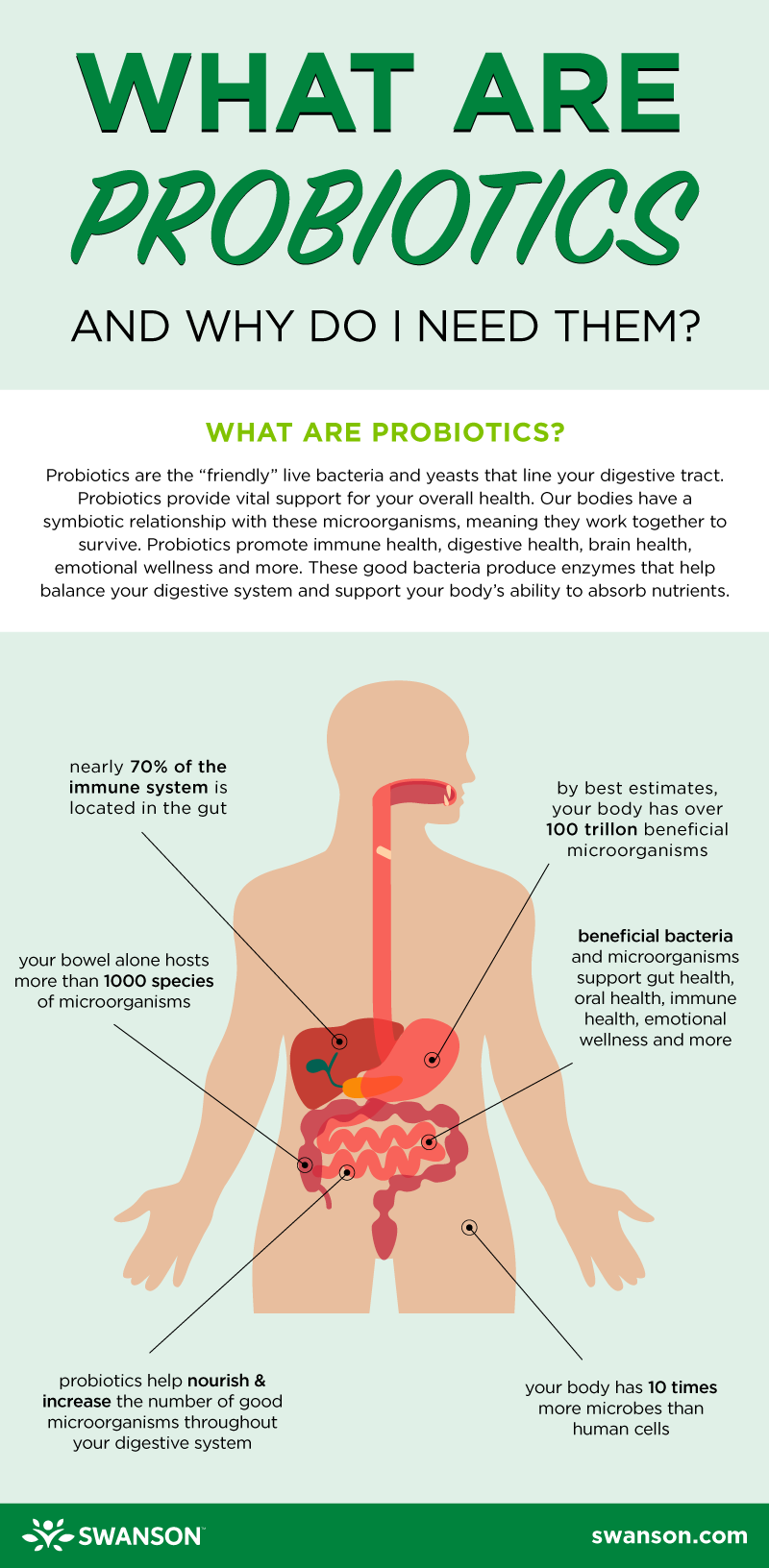
    Enter natural probiotics. These beneficial bacteria, found in various fermented foods and supplements, can help re-establish a balanced oral microbiome. They achieve this in several ways. First, they compete with harmful bacteria for resources and space, preventing the overgrowth of pathogens. Secondly, they produce substances that inhibit the growth of harmful bacteria, directly combating their negative effects. Think of them as the superheroes of your mouth, battling the villains to maintain order.

    Sources of Beneficial Bacteria

    Many foods naturally contain probiotics. Consider incorporating these into your diet for improved oral health:

    • Yogurt (with live and active cultures): Look for varieties containing strains like Lactobacillus and Bifidobacterium.
    • Kefir: This fermented milk drink is rich in diverse probiotic strains.
    • Sauerkraut and Kimchi: These fermented vegetables are excellent sources of beneficial bacteria.
    • Kombucha: A fermented tea drink that contains various probiotics.

    While these foods offer a natural and delicious way to introduce probiotics into your system, it's important to note that the research on the direct impact of dietary probiotics on oral health is still evolving. More studies are needed to determine the precise effectiveness of various probiotic strains on specific oral conditions.

    Beyond Diet: Holistic Oral Health

    While incorporating probiotic-rich foods into your diet can significantly contribute to improved gum health, it's crucial to remember that it's part of a larger strategy. Maintaining excellent oral hygieneâ€"brushing twice daily, flossing regularly, and visiting your dentist for regular checkupsâ€"remains paramount. These practices, combined with a balanced diet and the potential benefits of natural probiotics, create a robust approach to preventing and managing gum disease.

    In conclusion, the connection between gum health and natural probiotic use is a promising area of research. While more studies are needed to fully elucidate this relationship, incorporating probiotic-rich foods into a holistic oral health regimen shows significant potential for improving your overall oral well-being and preventing problems before they arise.

    Share:

    Purple Carrots for a Healthier Smile and Stronger Teeth

    Purple Carrots for a Healthier Smile and Stronger Teeth

    Purple Carrots: A Delicious Path to a Healthier Smile

    Forget the ordinary orange carrot; prepare to be captivated by the vibrant hues and impressive health benefits of its purple cousin! These aren't just aesthetically pleasing; purple carrots boast a unique nutritional profile that actively contributes to stronger teeth and a healthier smile. Their rich anthocyanin content, the same pigment that gives blueberries their deep blue color, packs a powerful punch when it comes to oral health. This article will delve into the specific ways purple carrots benefit your teeth and gums, making them a delicious addition to your daily diet.

    The Power of Anthocyanins: Nature's Oral Health Shield

    Anthocyanins are potent antioxidants that neutralize harmful free radicals. These free radicals contribute to oxidative stress, a key factor in the development of gum disease and tooth decay. By combatting oxidative stress, anthocyanins create a protective shield around your teeth and gums, reducing inflammation and strengthening their defenses. This protective action translates to a lower risk of cavities and improved overall oral hygiene.

    Fighting the Bacteria: A Natural Approach to Prevention

    Purple carrots don’t just passively protect; they actively combat harmful bacteria in your mouth. Studies suggest that anthocyanins possess antibacterial properties, inhibiting the growth of Streptococcus mutans, a major culprit behind tooth decay. By limiting the proliferation of these bacteria, purple carrots contribute to a cleaner, healthier oral environment. This natural approach complements traditional oral hygiene practices, boosting their effectiveness.

    Beyond Anthocyanins: A Nutritional Powerhouse for Oral Health

    The benefits of purple carrots extend beyond their impressive anthocyanin content. They’re a rich source of vitamins and minerals crucial for maintaining strong teeth and healthy gums. Consider these key nutrients:

    • Vitamin A: Essential for maintaining healthy gums and preventing gum disease.
    • Vitamin C: Supports collagen production, crucial for the structural integrity of gums and connective tissues.
    • Potassium: Helps regulate fluid balance in the mouth, contributing to overall oral health.

    The synergistic effect of these nutrients further enhances the protective properties of the anthocyanins, making purple carrots a truly remarkable food for your smile.

    Incorporating Purple Carrots into Your Diet: Easy and Delicious Ways

    Integrating purple carrots into your daily routine is surprisingly simple. You can enjoy them raw as a crunchy snack, roasted as a flavorful side dish, or juiced for a vibrant and nutritious beverage. Their unique earthy sweetness lends itself well to various culinary applications, making them a versatile addition to salads, soups, and even desserts. Experiment with different recipes to find your favorites and discover the delightful ways to incorporate this oral health superhero into your meals.

    Remember: While purple carrots offer significant benefits, they shouldn't replace regular dental checkups and proper brushing and flossing. They are a powerful complement to a comprehensive oral health regimen, offering a delicious and natural path towards a healthier, brighter smile.

    Share: