
Conquer Inflamed Gums: Your Guide to Effective Oral Care
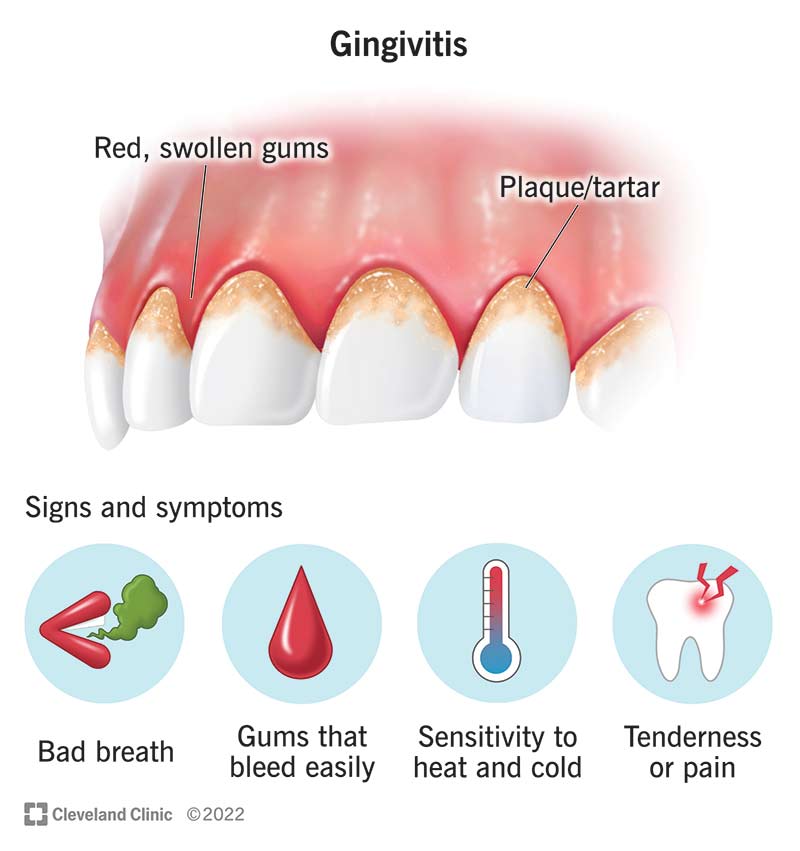
Inflamed gums, also known as gingivitis, are a common problem that can lead to more serious dental issues if left untreated. Characterized by redness, swelling, and often bleeding, inflamed gums are a clear sign that your oral hygiene routine needs attention. Fortunately, with consistent effort and the right techniques, you can effectively manage and even reverse gingivitis, restoring your gum health and preventing further complications. This guide provides a comprehensive approach to treating and fixing inflamed gums, empowering you to take control of your oral well-being.
Understanding the Root Cause of Inflamed Gums
Gingivitis stems primarily from plaque buildup. Plaque is a sticky film of bacteria that constantly forms on your teeth. If not removed effectively through brushing and flossing, it hardens into tartar (calculus), which irritates the gums and triggers inflammation. Ignoring plaque and tartar allows bacteria to thrive, leading to a cascade of problems, including gum disease (periodontal disease) and even tooth loss. Other contributing factors include hormonal changes (like pregnancy), certain medications, smoking, and genetic predisposition. Understanding these factors helps you tailor your oral care routine for optimal results.
Effective Strategies for Treating Inflamed Gums
Mastering the Art of Brushing and Flossing
The cornerstone of healthy gums is a meticulous brushing and flossing routine. Aim for brushing twice a day for at least two minutes each time, using a soft-bristled toothbrush and fluoride toothpaste. Focus on gentle, circular motions, ensuring you reach all tooth surfaces, including the gum line. Flossing is equally crucial, as it removes plaque and food particles from between your teeth, areas your toothbrush can't reach. Use gentle sawing motions to guide the floss between your teeth, curving it around each tooth. Don't neglect the back of your last molars!
Choosing the Right Oral Hygiene Tools
Investing in high-quality oral hygiene tools significantly enhances your ability to combat inflamed gums. Consider an electric toothbrush, which often provides superior plaque removal compared to manual brushing. Look for models with different brushing modes, allowing you to tailor the intensity to your gum sensitivity. Interdental brushes can be invaluable for cleaning between teeth, especially in areas with tightly packed teeth where floss struggles. An antimicrobial mouthwash can provide extra protection against bacteria.
Dietary Considerations
What you eat plays a significant role in your oral health. Limit sugary drinks and snacks, as they feed the bacteria that contribute to plaque formation. Include foods rich in vitamins and minerals that promote gum health, such as vitamin C, which is crucial for collagen production, necessary for healthy gum tissue. A balanced diet supports overall health and, consequently, your oral health.
When to Seek Professional Help
While diligent home care often resolves mild gingivitis, it's vital to consult a dentist if your symptoms persist or worsen. They can perform a thorough examination, identify the underlying cause of your gum inflammation, and recommend appropriate treatment. Professional cleaning (scaling and root planing) may be necessary to remove hardened tartar and deep clean below the gum line. In severe cases, more advanced procedures might be required to prevent permanent damage.
Remember, consistent effort is key. By diligently following these guidelines and maintaining a proactive approach to your oral health, you can effectively treat and prevent inflamed gums, enjoying a healthy, confident smile for years to come. Don't hesitate to seek professional guidance if you have any concerns.
No comments:
Post a Comment