
The Ultimate Guide to Using Natural Probiotics for Better Dental Care
Maintaining optimal oral health is crucial for overall well-being. While traditional dental hygiene practices, such as brushing and flossing, remain essential, emerging research highlights the significant role of probiotics in enhancing oral health. This guide delves into the multifaceted benefits of natural probiotics for dental care, exploring their mechanisms of action, applications, and considerations for effective utilization.
Understanding the Oral Microbiome and its Importance
The human mouth harbors a complex ecosystem of microorganisms, collectively known as the oral microbiome. This intricate community comprises bacteria, archaea, fungi, and viruses, each playing a distinct role in maintaining oral health or contributing to disease. A balanced oral microbiome is characterized by a diverse population of beneficial microorganisms that outnumber and suppress pathogenic bacteria responsible for dental caries (cavities) and periodontal diseases (gum disease).
The Role of Beneficial Bacteria
Beneficial bacteria, often referred to as commensal bacteria, contribute to oral health through several mechanisms. They compete with pathogenic bacteria for nutrients and attachment sites, preventing their colonization and proliferation. Furthermore, some beneficial bacteria produce antimicrobial substances, directly inhibiting the growth of harmful bacteria. They also play a role in strengthening the immune response within the oral cavity.
Dysbiosis and Oral Diseases
Dysbiosis, an imbalance in the oral microbiome, is a hallmark of oral diseases. A shift towards a dominance of pathogenic bacteria can lead to the development of dental caries, gingivitis (gum inflammation), periodontitis (severe gum disease), and even systemic diseases linked to oral inflammation. Restoring the balance of the oral microbiome through the introduction of beneficial bacteria, which is the principle behind probiotic therapy, offers a promising approach to preventing and managing these conditions.
Probiotics: A Natural Approach to Oral Health
Probiotics are live microorganisms that, when administered in adequate amounts, confer a health benefit on the host. In the context of oral health, probiotics work by modulating the composition and function of the oral microbiome, thereby promoting a healthy balance.
Mechanisms of Action of Oral Probiotics
Oral probiotics exert their beneficial effects through multiple mechanisms:
- Competitive exclusion: Probiotics compete with pathogenic bacteria for adhesion sites on the tooth surface and oral mucosa, preventing their colonization and biofilm formation.
- Production of antimicrobial substances: Certain probiotic strains produce substances such as bacteriocins, hydrogen peroxide, and organic acids that inhibit the growth of pathogenic bacteria.
- Immune modulation: Probiotics can modulate the host immune response, enhancing the activity of immune cells that combat oral pathogens and reducing inflammation.
- Production of beneficial metabolites: Some probiotics produce metabolites, such as short-chain fatty acids, which contribute to a healthy oral environment.
Types of Probiotics Used in Dental Care
Several strains of bacteria have shown promise in improving oral health. Some of the most commonly studied and used include:
- Lactobacillus rhamnosus
- Lactobacillus salivarius
- Lactobacillus casei
- Streptococcus salivarius K12
- Weissella cibaria
The specific strain and its efficacy can vary, depending on the targeted oral condition.
Applications of Natural Probiotics in Dental Care
Probiotics are showing potential in several aspects of dental care:
Prevention of Dental Caries
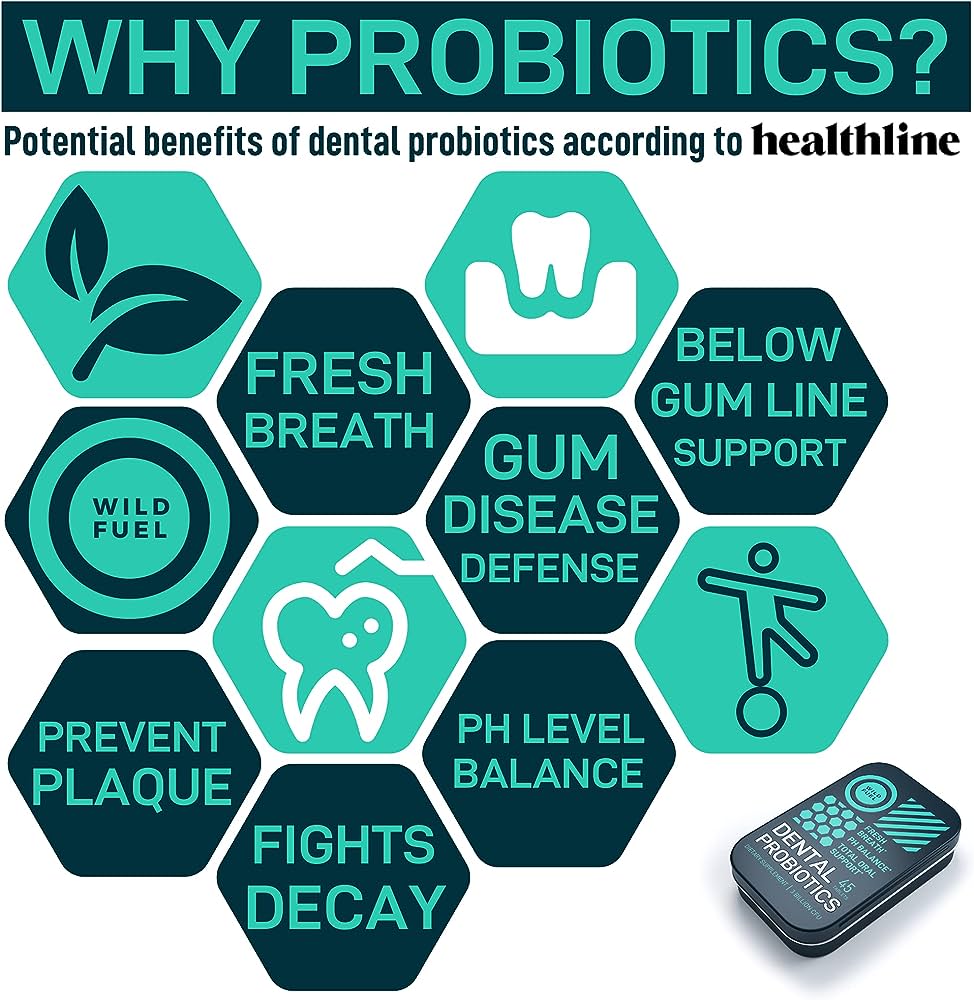
Probiotics can help prevent dental caries by inhibiting the growth of Streptococcus mutans, the primary causative agent of cavities. Probiotic supplementation can reduce the levels of S. mutans in saliva and dental plaque, thereby minimizing the risk of caries development.
Management of Gingivitis and Periodontitis
Probiotics can play a beneficial role in managing gingivitis and periodontitis by reducing inflammation and modulating the composition of the subgingival plaque (plaque below the gum line). They can reduce the levels of pathogenic bacteria associated with periodontal diseases, such as Porphyromonas gingivalis and Aggregatibacter actinomycetemcomitans.
Treatment of Oral Mucositis
Oral mucositis, a painful inflammation of the oral mucosa, is a common side effect of cancer therapies like chemotherapy and radiation. Probiotics have demonstrated potential in reducing the severity and duration of oral mucositis by modulating the oral microbiome and reducing inflammation.
Halitosis (Bad Breath)
While not a direct cause, halitosis is often linked to an imbalance in the oral microbiome. Probiotics can help restore this balance, thereby contributing to improved breath freshness.
Delivery Methods and Product Selection
Probiotics for oral health are available in various forms, each with its own advantages and disadvantages:
Mouthwashes
Probiotic mouthwashes provide a convenient method of delivery, allowing for direct contact with the oral mucosa and dental surfaces.
Lozenges and Tablets
Probiotic lozenges and tablets offer a slow-release delivery system, allowing for prolonged contact with the oral mucosa and potentially enhanced efficacy.
Gels and Pastes
Probiotic gels and pastes can provide targeted delivery to specific areas of the mouth, such as periodontal pockets.
Considerations for Product Selection
When choosing a probiotic product for dental care, consider the following:
- Strain specificity: Select products containing specific strains with demonstrated efficacy in improving oral health.
- CFU count: Pay attention to the colony-forming unit (CFU) count, which indicates the number of live bacteria in the product. A higher CFU count generally suggests greater potency.
- Formulation: Consider the delivery method and its suitability for your needs.
- Reputable manufacturer: Choose products from reputable manufacturers who adhere to strict quality control standards.
Integrating Probiotics into a Comprehensive Oral Health Regimen
Probiotics should be considered a complementary therapy, not a replacement for established dental hygiene practices. Effective oral health requires a multi-faceted approach that includes:
- Regular brushing and flossing: Remove plaque and food particles that harbor bacteria.
- Regular dental checkups: Professional cleaning and early detection of oral diseases.
- Healthy diet: Reduce consumption of sugary foods and drinks that promote bacterial growth.
- Probiotic supplementation: Enhance the balance of the oral microbiome.
Conclusion
Natural probiotics hold significant promise in enhancing dental care. By modulating the oral microbiome and strengthening the host's immune response, they contribute to the prevention and management of various oral diseases. While research continues to unfold, incorporating probiotics into a comprehensive oral hygiene regimen can contribute significantly to maintaining optimal oral health and overall well-being. It is always advisable to consult with a dentist or healthcare professional before starting any new treatment, including probiotic supplementation, to ensure its suitability for individual needs and potential interactions with other medications.
No comments:
Post a Comment