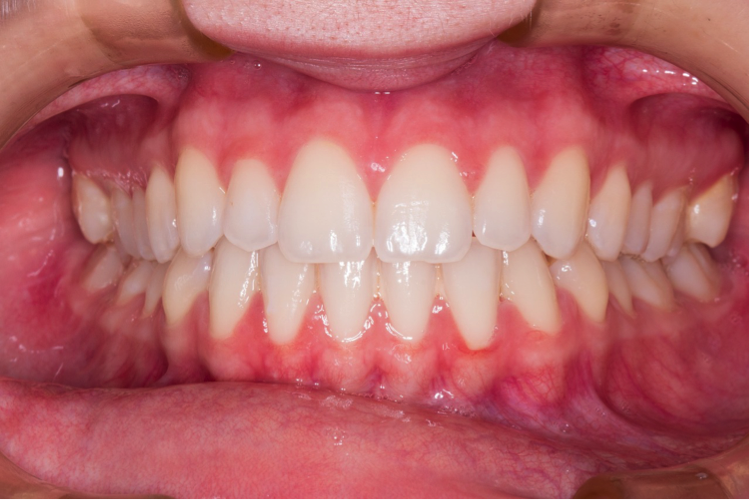
How to Improve Gum Health with Natural Ingredients

How to Improve Gum Health with Natural Ingredients

Nourishing Your Gums Naturally: A Holistic Approach to Gum Health

Gum disease, a prevalent oral health issue, affects millions worldwide. While regular dental check-ups are crucial, incorporating natural ingredients into your routine can significantly boost your gum health and prevent problems before they arise. This article explores several effective natural remedies, empowering you to take proactive steps towards a healthier, happier smile.

Harnessing the Power of Nature's Pharmacy

Many readily available natural ingredients possess remarkable properties that promote gum health. These substances often contain anti-inflammatory, antibacterial, and antimicrobial agents, working synergistically to combat the bacteria responsible for gum disease. Instead of relying solely on harsh chemical-laden mouthwashes, consider incorporating these natural remedies into your daily oral hygiene routine for a gentler, yet powerful, approach.

Top Natural Remedies for Gum Health

The Anti-Inflammatory Benefits of Turmeric

Turmeric, a vibrant spice renowned for its anti-inflammatory properties, holds significant promise for gum health. Curcumin, the active compound in turmeric, effectively targets inflammation, a key driver of gum disease. You can incorporate turmeric into your routine by adding a pinch to your toothpaste or creating a simple rinse by mixing turmeric powder with warm water. Remember to rinse thoroughly afterwards to avoid staining your teeth.

The Cleansing Power of Coconut Oil Pulling

Oil pulling, an ancient Ayurvedic practice, involves swishing a tablespoon of coconut oil in your mouth for 15-20 minutes. This process purportedly draws out bacteria and toxins, improving oral hygiene. Coconut oil's antimicrobial properties target harmful bacteria, reducing plaque buildup and inflammation. While scientific evidence remains limited, anecdotal reports and some preliminary studies suggest positive effects on gum health. Remember to spit the oil into the trash, as it can clog your drains.

The Soothing Effects of Aloe Vera

Aloe vera, celebrated for its healing properties, provides soothing relief for irritated gums. Its anti-inflammatory and antibacterial actions help reduce swelling and combat infection. You can apply pure aloe vera gel directly to your gums using a clean finger or cotton swab, or use an aloe vera-based mouthwash. Always ensure the aloe vera is 100% pure to avoid potential irritation from additives.

The Protective Properties of Green Tea

Green tea, rich in antioxidants and polyphenols, offers a powerful defense against gum disease. These compounds combat harmful bacteria and reduce inflammation. Rinsing your mouth with green tea after brushing can help maintain a healthy oral environment. However, remember that excessive consumption of green tea might stain your teeth, so moderation is key.

Beyond Natural Remedies: Essential Habits for Gum Health

While natural remedies offer significant support, they are most effective when combined with a comprehensive oral hygiene routine. Consider these habits:

  • Brush your teeth twice daily with fluoride toothpaste for at least two minutes.
  • Floss daily to remove food particles and plaque from between your teeth.
  • Schedule regular dental check-ups and professional cleanings.
  • Maintain a balanced diet low in sugar and processed foods.
  • Quit smoking or chewing tobacco.

By embracing a holistic approach that blends natural remedies with established oral hygiene practices, you can significantly enhance your gum health and enjoy a brighter, healthier smile for years to come. Remember to consult your dentist or healthcare provider before making significant changes to your oral hygiene routine, especially if you have pre-existing conditions.

Share:

Why Probiotics and Xylitol Are Essential for Healthy Teeth and Gums

Why Probiotics and Xylitol Are Essential for Healthy Teeth and Gums

The Dynamic Duo: Probiotics and Xylitol for Optimal Oral Health

Maintaining healthy teeth and gums requires a proactive approach, going beyond simple brushing and flossing. Emerging research highlights the crucial roles of probiotics and xylitol in bolstering oral health, offering a natural and effective way to combat harmful bacteria and promote a thriving oral microbiome. This article delves into the science behind these two powerful allies, revealing how they work synergistically to keep your smile bright and your gums healthy.

Understanding the Oral Microbiome: A Delicate Balance

Your mouth teems with a complex community of microorganisms, collectively known as the oral microbiome. This diverse ecosystem includes beneficial bacteria, neutral bacteria, and harmful bacteria. A healthy balance between these groups is vital for preventing oral diseases. When harmful bacteria, like Streptococcus mutans, proliferate, they produce acids that erode tooth enamel, leading to cavities and gum disease. This imbalance is often exacerbated by poor oral hygiene, a high-sugar diet, and certain systemic health conditions.

Probiotics: The Good Guys in Your Mouth

Probiotics are live microorganisms, primarily bacteria and yeasts, that offer health benefits when consumed in adequate amounts. In the context of oral health, specific probiotic strains have demonstrated the ability to:

  • Outcompete harmful bacteria: Probiotics occupy space and resources within the oral cavity, limiting the growth and colonization of pathogenic bacteria. They essentially create a protective barrier against harmful invaders.
  • Produce antimicrobial substances: Certain probiotics produce compounds that directly inhibit the growth of cavity-causing bacteria, further strengthening the defense against infection.
  • Strengthen the immune response: By stimulating the production of antibodies and other immune factors, probiotics bolster the body's natural defenses against oral pathogens, promoting overall oral health and resilience.
  • Reduce inflammation: Gum disease is characterized by inflammation. Some probiotic strains demonstrate anti-inflammatory properties, helping to soothe irritated gums and reduce the severity of gingivitis and periodontitis.

Choosing the Right Probiotics for Oral Health

Not all probiotics are created equal. Some strains, such as Lactobacillus reuteri and Lactobacillus salivarius, have shown particularly promising results in improving oral health. Look for products specifically formulated for oral health, indicating the strain and the dosage for optimal effectiveness. Always consult with your dentist or doctor before introducing new supplements into your routine.

Xylitol: A Sugar Substitute with a Powerful Punch

Xylitol is a natural sugar alcohol found in many fruits and vegetables. Unlike sucrose (table sugar), xylitol has several unique properties that benefit oral health:

  • Inhibits bacterial growth: Xylitol prevents S. mutans from adhering to tooth surfaces and producing acids, effectively reducing cavity formation.
  • Stimulates saliva production: Saliva plays a crucial role in neutralizing acids and washing away food particles. Xylitol helps boost saliva production, further enhancing the mouth's natural cleansing mechanisms.
  • Reduces plaque accumulation: By hindering bacterial adhesion and promoting saliva flow, xylitol contributes to a reduction in plaque buildup, a major contributor to gum disease.

Incorporating Xylitol into Your Oral Hygiene Routine

Xylitol is available in various forms, including chewing gum, mints, and mouthwash. Look for sugar-free products specifically containing xylitol. Regular use, typically several times a day, is key to maximizing its benefits. Remember, moderation is essential as excessive consumption can lead to gastrointestinal discomfort.

The Synergistic Effect: Probiotics and Xylitol Working Together

The combined use of probiotics and xylitol creates a powerful one-two punch against oral pathogens. Probiotics establish a healthy oral microbiome, creating a less hospitable environment for harmful bacteria. Simultaneously, xylitol inhibits the growth of surviving bacteria and enhances the mouth's natural cleansing capabilities. This synergistic approach offers a holistic and effective strategy for achieving and maintaining optimal oral health.

Disclaimer: This article is for informational purposes only and does not constitute medical advice. Always consult with a dental professional or healthcare provider before making changes to your oral hygiene routine or starting any new supplements.

Share:

How to Restore and Improve Gum Health Naturally with Home Remedies

How to Restore and Improve Gum Health Naturally with Home Remedies

Restore and Improve Gum Health Naturally: A Comprehensive Guide to Home Remedies

Gum disease, or periodontal disease, affects millions, leading to discomfort, bad breath, and even tooth loss. While professional dental care is crucial, several natural remedies can complement your dentist's efforts, improving your gum health and boosting your overall oral hygiene. This guide provides a detailed look at effective home strategies to combat gum problems and maintain a healthy, radiant smile.

Understanding the Root of the Problem: Gum Disease

Gum disease starts with plaque, a sticky film of bacteria that constantly forms on your teeth. If not removed effectively through brushing and flossing, plaque hardens into tartar, irritating your gums and leading to gingivitis, the early stage of gum disease. Gingivitis causes inflammation, redness, and bleeding gums. Left untreated, gingivitis progresses to periodontitis, a more serious infection that damages the tissues supporting your teeth, potentially causing tooth loss. Therefore, early intervention and proactive gum care are vital.

Natural Remedies to Strengthen Your Gums

The Power of Oil Pulling

Oil pulling, an ancient Ayurvedic practice, involves swishing oil in your mouth to draw out bacteria and toxins. Coconut oil is a popular choice due to its antimicrobial properties. Simply take a tablespoon of coconut oil, swish it around your mouth for 15-20 minutes, and then spit it out into the trash (never swallow it). Rinse your mouth thoroughly with water afterward. This practice helps reduce plaque and improve gum health over time. Consistency is key; aim for daily oil pulling for optimal results.

The Soothing Effects of Aloe Vera

Known for its anti-inflammatory and antibacterial properties, aloe vera gel can soothe irritated gums. Apply a small amount of pure aloe vera gel directly to your gums after brushing. Its cooling sensation provides immediate relief from inflammation and bleeding. You can also find aloe vera-based mouthwashes for a more convenient approach. Remember to always choose high-quality, pure aloe vera products to avoid potential irritants.

The Healing Touch of Green Tea

Green tea boasts potent antioxidants and anti-inflammatory compounds that benefit gum health. Regular consumption of green tea can reduce plaque buildup and fight harmful bacteria. You can also use cooled green tea as a mouth rinse, swishing it around your mouth for a minute before spitting it out. However, remember that green tea can stain teeth if used excessively.

The Importance of a Balanced Diet

Your diet plays a significant role in your overall health, including the health of your gums. Focus on consuming foods rich in Vitamin C, Vitamin D, and calcium. These nutrients support healthy gum tissue and bone structure. Include plenty of fruits, vegetables, and dairy products in your daily diet. Limit sugary and processed foods, as these contribute to bacterial growth.

Beyond Remedies: Essential Habits for Gum Health

While natural remedies offer significant support, establishing a strong oral hygiene routine is non-negotiable. This involves:

  • Brushing your teeth twice a day for at least two minutes each time, using a soft-bristled toothbrush.
  • Flossing daily to remove plaque and food particles from between your teeth.
  • Using an antimicrobial mouthwash to further reduce bacteria.
  • Visiting your dentist regularly for professional cleanings and checkups.

Remember, these home remedies are best used as supplements to, not replacements for, professional dental care. Regular visits to your dentist are critical for preventing and managing gum disease effectively.

Share:

How to Prevent Gum Disease at Home and Improve Your Oral Health

How to Prevent Gum Disease at Home and Improve Your Oral Health

Conquer Gum Disease: A Home-Based Guide to Vibrant Oral Health

Gum disease, or periodontal disease, silently steals away your smile's foundation. It starts subtly, with inflamed gums, but can escalate to serious consequences like tooth loss if left untreated. Fortunately, you wield considerable power to prevent and even reverse its early stages through diligent home care. This guide empowers you with practical, actionable steps to safeguard your gums and enjoy a lifetime of healthy smiles.

Mastering the Art of Brushing and Flossing

The cornerstone of gum disease prevention rests on impeccable oral hygiene. Don't merely go through the motions; master the techniques. Choose a toothbrush with soft bristles to avoid damaging your gums. Use a fluoride toothpaste recommended by your dentist. Brush gently but thoroughly for at least two minutes, twice a day, paying close attention to the gumline. Imagine you're gently massaging your gums as you brush, aiming to dislodge plaque and food particles from every surface of each tooth.

Flossing is equally crucial. It tackles plaque and food debris trapped between teeth, areas your toothbrush can't reach. Use about 18 inches of floss, carefully guiding it between teeth using a gentle sawing motion. Curve the floss around each tooth in a “C” shape and gently slide it up and down against the gumline. Don't snap the floss, as this can damage your gums. Make flossing a daily ritual, targeting every space between your teeth.

Beyond Brushing and Flossing: Essential Habits for Gum Health

The Power of Mouthwash

Therapeutic mouthwashes, especially those containing chlorhexidine or essential oils, can significantly bolster your gum disease defense. These mouthwashes help kill bacteria, reduce inflammation, and provide a crucial extra layer of protection against plaque buildup. However, always follow your dentist's recommendations regarding usage, as excessive use can sometimes have unintended consequences. Use as directed for optimal results and don’t use it as a replacement for brushing and flossing.

Diet: Fueling Your Oral Health

Your diet plays a surprisingly large role in gum health. A diet rich in fruits, vegetables, and whole grains provides essential nutrients that support strong gums and teeth. Minimize sugary drinks and snacks, as they feed the bacteria that contribute to plaque formation and gum inflammation. Stay hydrated by drinking plenty of water throughout the day, as this helps rinse away food particles and bacteria.

Regular Dental Checkups: Your Proactive Partner

Even with diligent home care, professional dental cleanings are indispensable. Schedule regular checkups and cleanings every six months (or more frequently, as recommended by your dentist). During these visits, your dentist will remove plaque and tartar buildup that you cannot remove yourself, perform a thorough gum evaluation, and provide personalized advice to further enhance your oral hygiene routine. They can also detect early signs of gum disease long before you notice any symptoms. Early detection is key for successful treatment!

Recognizing the Warning Signs: When to Seek Professional Help

While proactive home care is your first line of defense, understanding the warning signs of gum disease is crucial. Pay close attention to your gums. If you notice any of the following, schedule an appointment with your dentist immediately:

  • Persistent red, swollen, or tender gums
  • Bleeding gums during brushing or flossing
  • Receding gums, exposing more of your teeth
  • Persistent bad breath
  • Loose teeth
  • Pus between your teeth and gums

Early intervention is key to successfully managing and treating gum disease. Don't delay; your oral health and overall well-being depend on it.

Share:

How to Fix Inflamed Gums and Soothe Pain Effectively

How to Fix Inflamed Gums and Soothe Pain Effectively

Ouch! Inflamed Gums? Let's Get This Sorted!

So, your gums are feeling a little…angry? Inflamed, swollen, maybe even bleeding a bit? Yeah, I've been there. It's not fun. That throbbing pain and the general yuckiness makes even the simplest things, like eating, a chore. But don't worry, we're going to tackle this together. This guide will walk you through understanding inflamed gums, finding effective relief, and â€" most importantly â€" preventing it from happening again.

Understanding the Root of the Problem: Why are my Gums Angry?

Before we jump into solutions, it's helpful to understand what's causing the inflammation. Think of your gums like delicate skin â€" they're easily irritated. The most common culprit is gingivitis, the early stage of gum disease. This is usually caused by plaque â€" that sticky film of bacteria that constantly forms on your teeth. If you're not diligent with brushing and flossing, plaque builds up, irritating your gums and causing inflammation.

But it's not always just about poor oral hygiene. Other factors can contribute to inflamed gums, including:

  • Hormonal changes: Pregnancy and puberty can make gums more sensitive and prone to inflammation.
  • Medications: Certain medications can have a side effect of gum inflammation.
  • Vitamin deficiencies: A lack of certain vitamins, especially vitamin C, can weaken gums and make them more susceptible to inflammation.
  • Ill-fitting dentures or braces: These can irritate your gums and cause inflammation.
  • Aggressive brushing: While brushing is essential, scrubbing too hard can damage your gums.
  • Certain medical conditions: Some health conditions can affect gum health.
  • Smoking: Smoking significantly increases your risk of gum disease.

Soothe the Pain and Inflammation: Home Remedies and Quick Fixes

Now for the good stuff â€" how to actually make those angry gums feel better! Remember, these are temporary fixes to alleviate pain and discomfort. They don't replace a visit to the dentist, which is crucial for proper diagnosis and treatment.

Saltwater Rinse: The Classic Remedy

This is a go-to for a reason. The salt water rinse has antibacterial properties that can help reduce inflammation and kill bacteria. Mix a half-teaspoon of salt in a glass of warm water and swish it around your mouth for 30-60 seconds a few times a day. It might sting a little at first, but it gets better!

Cold Compress: Quick Relief for Swelling

Apply a cold compress to your cheek outside the affected area for 10-15 minutes at a time. The cold helps reduce swelling and numb the pain. You can use a bag of frozen peas wrapped in a towel for this.

Gentle Brushing and Flossing: Yes, Really!

I know, it sounds counterintuitive when your gums are already hurting, but gentle brushing and flossing are crucial. Use a soft-bristled toothbrush and be extra gentle. Focus on removing plaque without irritating your gums further. Flossing helps dislodge food particles and bacteria that are trapped between your teeth.

Over-the-Counter Pain Relief:

Over-the-counter pain relievers like ibuprofen or acetaminophen can help manage the pain and inflammation. Always follow the dosage instructions on the packaging.

Avoid Irritants:

Give your gums a break from anything that might irritate them further. This includes hot or spicy foods, acidic drinks, and alcohol. Stick to soft, bland foods for a while.

Long-Term Solutions: Prevention and Professional Care

While the home remedies can provide temporary relief, addressing the underlying cause is key to preventing future inflammation. This involves:

Maintain Excellent Oral Hygiene

This is the cornerstone of gum health. Brush your teeth twice a day for at least two minutes each time, using fluoride toothpaste. Floss daily to remove plaque and food particles from between your teeth. Consider using an antimicrobial mouthwash to further reduce bacteria.

Regular Dental Checkups and Cleanings

See your dentist for regular checkups and professional cleanings. They can remove plaque and tartar that you can't reach at home, preventing gingivitis and more serious gum disease. Early detection and treatment are crucial.

Address Underlying Medical Conditions

If you suspect a medical condition might be contributing to your gum inflammation, consult your doctor or dentist. They can help determine the cause and recommend appropriate treatment.

Quit Smoking

Smoking dramatically increases your risk of gum disease. Quitting is one of the best things you can do for your overall health, including your gum health.

When to See a Dentist

While home remedies can help manage mild gum inflammation, it's crucial to see your dentist if:

  • Your gums bleed frequently or excessively.
  • Your gums are severely swollen or painful.
  • You have persistent bad breath.
  • Your teeth are loose.
  • You notice pus around your teeth or gums.
  • Your gums are red and inflamed for more than a week despite home treatment.

Don't delay seeking professional help. Early diagnosis and treatment of gum disease can prevent serious complications.

Commonly Asked Questions

Q: How long does it take for inflamed gums to heal?

A: This depends on the cause and severity of the inflammation. Mild cases often improve within a week or two with good oral hygiene and home care. More severe cases may require professional treatment and take longer to heal.

Q: Can inflamed gums go away on their own?

A: Sometimes, mild cases of gingivitis might improve on their own with improved oral hygiene. However, it's best not to risk it. Seeing a dentist ensures proper diagnosis and treatment to prevent more serious issues.

Q: Is it normal for my gums to bleed when I brush?

A: No, it's not normal for your gums to bleed regularly when you brush. Bleeding gums are a sign of inflammation and could indicate gingivitis or another problem. See your dentist.

Q: What foods should I avoid with inflamed gums?

A: Avoid hard, crunchy, or spicy foods that can irritate your gums. Opt for soft, bland foods until your gums have healed.

Q: Are there any natural remedies besides saltwater rinse?

A: Some people find relief using tea tree oil diluted in water (use cautiously, as it can be irritating), or aloe vera gel applied gently to the gums. However, always consult your dentist before trying any new remedies.

Remember, taking care of your gums is crucial for your overall oral health. Don't hesitate to reach out to your dentist if you have any concerns. They're there to help you keep that smile bright and healthy!

Share:

How White Gums Affect Oral Health and How to Treat Them

How White Gums Affect Oral Health and How to Treat Them

White Gums: Implications for Oral Health and Treatment Strategies

The appearance of white patches or discoloration on the gums, medically termed leukoplakia, can be a concerning sign. While not always indicative of a serious condition, white gums warrant prompt professional evaluation. This discoloration can stem from various underlying factors, ranging from benign to potentially malignant. Understanding the causes, associated risks, and available treatment options is crucial for maintaining optimal oral health.

Etiology of White Gums

The diverse origins of white gums necessitate a careful differential diagnosis. The color change itself is not a disease but rather a manifestation of underlying processes affecting the gingival tissues.

Oral Hygiene Practices and Irritation

Poor oral hygiene is a common culprit. Insufficient brushing and flossing can lead to the accumulation of plaque and tartar, resulting in gingival inflammation (gingivitis). Chronic inflammation can cause the gums to appear white due to the altered blood supply and cellular changes within the tissue. Aggressive brushing, conversely, can also traumatize the gums, causing localized areas of whitening.

Medications and Systemic Conditions

Certain medications, particularly those used in chemotherapy or immunosuppressive therapies, can have adverse effects on the oral mucosa, leading to white patches on the gums. Similarly, various systemic diseases, such as lichen planus, lupus erythematosus, and diabetes, can manifest orally as white lesions. These conditions often present with additional symptoms beyond the gum discoloration.

Fungal Infections

Candidiasis, commonly known as oral thrush, is a fungal infection caused by the Candida albicans yeast. This opportunistic infection is more prevalent in individuals with weakened immune systems, such as those undergoing chemotherapy, taking antibiotics, or having uncontrolled diabetes. Oral thrush often presents as white, creamy patches on the gums and tongue that can be scraped off, revealing a red, inflamed underlying mucosa.

Leukoplakia and Oral Cancer

Leukoplakia, a term encompassing various white lesions of the oral mucosa, is a significant concern. While many cases of leukoplakia are benign, a subset can represent precancerous lesions or early-stage oral cancer. These lesions are typically characterized by thicker, tougher patches that are not easily removed and are often found on the sides of the tongue or inner cheek. Smoking, excessive alcohol consumption, and human papillomavirus (HPV) infection are significant risk factors for leukoplakia and oral cancer. Regular dental examinations are essential for early detection.

Other Causes

Other less common causes include geographic tongue (benign migratory glossitis), which can sometimes affect the gums, and frictional keratosis, caused by chronic rubbing or irritation of the gums against dental appliances or sharp tooth edges. Certain vitamin deficiencies can also contribute to gum discoloration and inflammation.

Diagnosis and Evaluation

A thorough clinical examination by a dentist or periodontist is crucial for determining the cause of white gums. The dentist will assess the appearance, texture, and location of the white patches, inquire about the patient's medical history, and consider any relevant risk factors.

Visual Examination and Medical History

The dentist will visually inspect the gums and surrounding oral tissues, noting the color, size, shape, and texture of the white patches. A detailed medical history, including current medications, smoking status, alcohol consumption, and any systemic diseases, is crucial for a comprehensive assessment.

Diagnostic Tests

Depending on the clinical findings, further diagnostic tests may be necessary. These may include:

  • Microscopic examination: A scraping of the white lesion can be examined under a microscope to identify the presence of fungal organisms or abnormal cells.
  • Biopsy: A small tissue sample is taken from the lesion and sent to a laboratory for pathological examination. This is particularly important for leukoplakia to assess the potential for malignancy.
  • Blood tests: These tests can help identify underlying systemic conditions that may be contributing to the white gum discoloration.

Treatment Strategies

Treatment of white gums depends entirely on the underlying cause. The approach varies significantly from simple improvements in oral hygiene to complex medical interventions.

Improving Oral Hygiene

For white gums resulting from poor oral hygiene, meticulous brushing and flossing are essential. The dentist can provide guidance on proper brushing techniques and recommend appropriate dental aids, such as interdental brushes or floss picks. Regular professional cleanings are also vital for removing plaque and tartar buildup.

Medical Management of Underlying Conditions

If the white gums are associated with a systemic condition, such as diabetes or lupus, managing the underlying disease is crucial. This may involve medication adjustments, lifestyle changes, or other therapeutic interventions.

Antifungal Therapy

For candidiasis, antifungal medications, either topical or systemic, are typically prescribed. The choice of medication and treatment duration will depend on the severity of the infection and the patient's overall health.

Surgical Intervention and Oncology Management

In cases of leukoplakia or suspected oral cancer, surgical removal of the lesion may be necessary. This allows for pathological examination to confirm the diagnosis and ensure complete removal of any cancerous cells. Further treatment, such as chemotherapy or radiation therapy, may be required depending on the stage and type of cancer.

Prevention and Prognosis

Preventing white gums involves maintaining optimal oral hygiene, practicing regular dental check-ups, and addressing any underlying medical conditions. Regular dental check-ups allow for early detection of potential problems and prompt intervention. Quitting smoking and limiting alcohol consumption significantly reduce the risk of leukoplakia and oral cancer. A healthy lifestyle, including a balanced diet and stress management, contributes to overall health and reduces susceptibility to oral infections.

The prognosis for white gums depends heavily on the underlying cause. While many cases resolve with appropriate treatment and improved oral hygiene, conditions like oral cancer require prompt and aggressive management. Early detection and intervention significantly improve the chances of successful treatment and a positive outcome.

Disclaimer: This information is for educational purposes only and does not constitute medical advice. Always consult with a qualified dental professional for diagnosis and treatment of any oral health concerns.

Share: