Probiotics for Oral Health: How They Help Prevent Cavities and Gum Issues

Probiotics for Oral Health: How They Help Prevent Cavities and Gum Issues

Probiotics for Oral Health: How They Help Prevent Cavities and Gum Issues

The human oral cavity, while seemingly simple, is a complex ecosystem teeming with a diverse array of microorganisms. This microbial community, known as the oral microbiome, plays a crucial role in maintaining oral health. A balanced microbiome is characterized by a harmonious coexistence of beneficial and potentially harmful bacteria, while an imbalance, or dysbiosis, can contribute to the development of various oral diseases, including dental caries (cavities) and periodontal disease (gum disease). Increasingly, research highlights the potential of probiotics, live microorganisms that confer health benefits when administered in adequate amounts, as a novel therapeutic approach to modulate the oral microbiome and prevent or treat these conditions.

The Oral Microbiome and its Role in Oral Diseases

The oral microbiome comprises hundreds of bacterial species, along with archaea, fungi, and viruses. These microorganisms interact with each other and with the host's tissues, influencing both health and disease. A healthy oral microbiome is characterized by a high proportion of commensal bacteria, which are beneficial and help maintain homeostasis. These beneficial bacteria compete with pathogenic bacteria for nutrients and space, preventing their colonization and subsequent disease development.

The Pathogenesis of Dental Caries

Dental caries, or cavities, are a common infectious disease characterized by the demineralization of tooth enamel due to the production of acids by cariogenic bacteria, primarily Streptococcus mutans. These bacteria metabolize dietary sugars, producing lactic acid as a byproduct. This acid attacks the tooth enamel, leading to its progressive demineralization and ultimately, cavity formation. The progression of caries is influenced by various factors, including the quantity and quality of dietary sugars, the frequency of sugar consumption, saliva composition, and the composition of the oral microbiome.

The Pathogenesis of Periodontal Disease

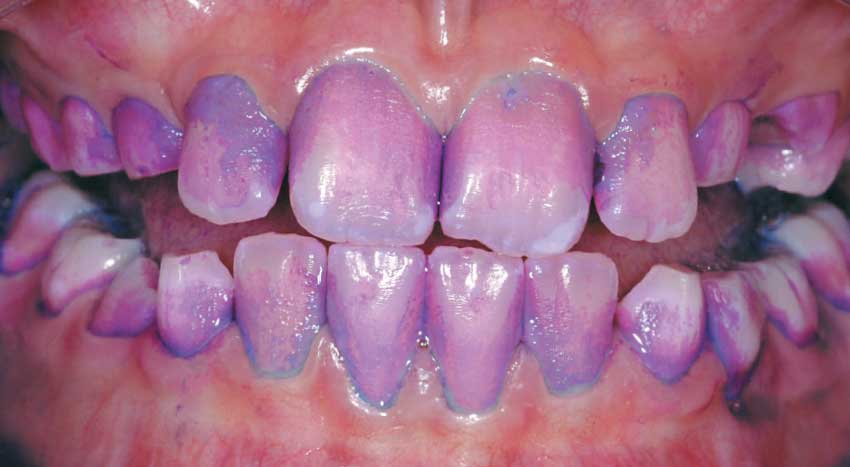
Periodontal disease, encompassing gingivitis and periodontitis, is an inflammatory disease affecting the supporting structures of the teeth, including the gums and alveolar bone. While numerous bacterial species are involved, gram-negative anaerobic bacteria, such as Porphyromonas gingivalis and Aggregatibacter actinomycetemcomitans, are considered key pathogens. These bacteria accumulate in dental plaque, triggering an inflammatory response that damages the periodontal tissues. This inflammatory response can lead to gingivitis, characterized by gum inflammation and bleeding, and if left untreated, can progress to periodontitis, resulting in bone loss and tooth loss.

Probiotics and their Mechanisms of Action in Oral Health

Probiotics exert their beneficial effects through various mechanisms, which contribute to the prevention and management of oral diseases. These include:

Competitive Exclusion

Probiotics compete with pathogenic bacteria for binding sites on the tooth surface and nutrients available in saliva. By occupying these sites and consuming available resources, they effectively limit the growth and colonization of pathogenic bacteria, reducing their ability to cause disease.

Production of Antimicrobial Substances

Certain probiotic strains produce antimicrobial substances, such as bacteriocins, hydrogen peroxide, and organic acids, that directly inhibit the growth of pathogenic bacteria. These substances can effectively reduce the levels of cariogenic and periodontopathogenic bacteria in the oral cavity.

Modulation of the Immune Response

Probiotics can modulate the host's immune response by interacting with immune cells in the oral mucosa. They can stimulate the production of antimicrobial peptides and cytokines, enhancing the innate and adaptive immune responses against pathogenic bacteria. This modulation helps in controlling inflammation and preventing the progression of periodontal disease.

Enhancement of Saliva Composition

Saliva plays a critical role in maintaining oral health by buffering acids, providing antimicrobial factors, and facilitating remineralization. Some probiotic strains may influence saliva composition, enhancing its protective effects against caries and periodontal disease.

Specific Probiotic Strains and their Applications in Oral Health

Several probiotic strains have demonstrated promising results in improving oral health. Research indicates that specific strains of Lactobacillus, Streptococcus, and Bifidobacterium can effectively reduce the number of pathogenic bacteria in the oral cavity and improve clinical parameters of both caries and periodontal diseases.

Lactobacillus rhamnosus GG (LGG)

This strain has been extensively studied for its various health benefits, including its potential role in improving oral health. Studies suggest that LGG can inhibit the growth of Streptococcus mutans and reduce plaque formation. Furthermore, it has been shown to modulate the immune response in the oral mucosa.

Lactobacillus salivarius

Lactobacillus salivarius is a natural inhabitant of the oral cavity, and certain strains have exhibited promising effects in reducing gingivitis and plaque accumulation. Its ability to produce bacteriocins and compete for resources with harmful bacteria contributes to its beneficial effects.

Streptococcus salivarius K12

This strain is another natural inhabitant of the oral cavity known for its ability to antagonize pathogenic bacteria. Studies suggest it may reduce the incidence of halitosis and improve oral hygiene.

Bifidobacterium species

Certain Bifidobacterium strains have shown the potential to modulate the oral microbiome and reduce inflammation associated with periodontal disease. Their effects are likely mediated through the production of short-chain fatty acids and other metabolites that benefit the oral ecosystem.

Delivery Systems and Future Directions

The effective delivery of probiotics to the oral cavity is crucial for their therapeutic efficacy. Various delivery systems are being explored, including lozenges, chewing gums, mouthwashes, and toothpastes. The choice of delivery system depends on the specific probiotic strain, the target condition, and the patient's preferences. Future research should focus on optimizing delivery systems to enhance probiotic survival and colonization in the oral cavity.

Furthermore, personalized approaches to probiotic therapy, taking into account the individual's oral microbiome profile, may lead to more effective interventions. Advances in genomic and metagenomic technologies will facilitate the identification of individual-specific probiotic cocktails that maximize the benefits for each patient. The development of novel probiotic strains with enhanced efficacy and safety is also crucial. Ultimately, the integration of probiotics into preventive and therapeutic strategies for oral diseases holds great promise for improving oral health outcomes.

In conclusion, probiotics represent a promising area of research with substantial potential in preventing and treating oral diseases. Their ability to modulate the oral microbiome, inhibit pathogenic bacteria, and enhance the host's immune response offer novel therapeutic strategies for improving oral health. Further research is warranted to fully elucidate the mechanisms of action of specific probiotic strains and to optimize their delivery systems for maximum efficacy and patient compliance. The future of oral healthcare may well incorporate probiotics as integral components of preventative and therapeutic strategies.

Share:

Why You Have Inflammation of the Gums and How to Address It

Why You Have Inflammation of the Gums and How to Address It

Why You Have Inflammation of the Gums (and How to Fix It!)

Hey there! So, you've got inflamed gums, huh? It's not fun, I know. That swollen, red, maybe even bleeding mess isn't exactly a party in your mouth. But don't worry, you're not alone, and it's usually treatable. Let's dive into why your gums might be acting up and what you can do about it.

Understanding Gum Inflammation (Gingivitis)

Inflammation of the gums, also known as gingivitis, is basically your gums' way of saying, "Hey! Something's not right here!" It's usually a sign that plaque â€" that sticky film of bacteria that constantly forms on your teeth â€" is building up and irritating your gum tissue. Think of it like a mild allergic reaction, but instead of peanuts, it's bacteria.

Now, gingivitis itself isn't the end of the world. It's often reversible with good oral hygiene. But if you ignore it, it can lead to something much more serious: periodontitis, which can cause gum recession, tooth loss, and even impact your overall health. So, catching it early is key!

The Usual Suspects: Causes of Gum Inflammation

Let's get to the bottom of why your gums are feeling so grumpy. Here are some of the most common culprits:

Poor Oral Hygiene

This is the big one. Not brushing and flossing regularly allows plaque to accumulate, creating a breeding ground for bacteria. These bacteria produce toxins that irritate the gums, leading to inflammation. Think of it like leaving dirty dishes in the sink â€" eventually, things will get pretty stinky and potentially unhealthy.

Smoking

Smoking is a major risk factor for gum disease. It reduces blood flow to the gums, hindering their ability to heal and fight off infection. Plus, the chemicals in tobacco can directly damage gum tissue, making it more susceptible to inflammation.

Genetics

Unfortunately, some people are just genetically predisposed to gum disease. This doesn't mean you're doomed, but it means you might need to be extra vigilant with your oral hygiene.

Hormonal Changes

Fluctuations in hormones, such as those experienced during puberty, pregnancy, and menopause, can make gums more sensitive and prone to inflammation.

Medications

Certain medications, including some antihypertensives, immunosuppressants, and anticonvulsants, can have a side effect of dry mouth or decreased immune response. This creates a more favorable environment for bacterial growth and gum inflammation.

Medical Conditions

Conditions like diabetes, HIV, and leukemia can weaken the immune system and increase your risk of gum disease. Managing these conditions effectively is crucial for oral health.

Poor Diet

A diet lacking in essential nutrients can weaken your gums and make them more vulnerable to inflammation. Make sure you're getting enough vitamins and minerals to support your overall health, including your oral health.

Grinding or Clenching Teeth (Bruxism)

Constantly grinding or clenching your teeth can put extra stress on your gums, leading to inflammation and even gum recession.

Fighting Back: Treating and Preventing Gum Inflammation

The good news is that gingivitis is often easily treated. Here's your action plan:

Brush and Floss Religiously

This is the cornerstone of gum health. Brush twice a day for two minutes each time using a fluoride toothpaste, and floss at least once a day. Proper technique is key â€" ask your dentist or hygienist to show you the right way if you're unsure.

See Your Dentist Regularly

Regular checkups and cleanings are crucial for catching problems early. Your dentist can remove plaque and tartar buildup that you can't remove at home and provide professional guidance.

Quit Smoking

If you smoke, quitting is one of the best things you can do for your overall health, including your gums. Your dentist or doctor can help you find resources to quit.

Manage Underlying Medical Conditions

If you have a medical condition that increases your risk of gum disease, work with your doctor to manage it effectively.

Consider Therapeutic Mouthwashes

Your dentist might recommend an antimicrobial mouthwash to help control bacteria. However, these should be used as directed and are not a replacement for brushing and flossing.

Dietary Changes

A balanced diet rich in fruits, vegetables, and whole grains will provide your body with the nutrients it needs to fight infection and maintain healthy gums.

Mouthguard for Bruxism

If you grind or clench your teeth, a mouthguard can help protect your teeth and gums from damage.

When to See a Professional

While many cases of gingivitis can be managed at home, it's crucial to see a dentist or periodontist if:

  • Your gums bleed frequently.
  • Your gums are persistently red, swollen, or tender.
  • Your gums are receding.
  • You have persistent bad breath.
  • You notice pus around your teeth.
  • Your teeth are becoming loose.

Frequently Asked Questions

Here are some questions people often ask about gum inflammation:

Q: Can gingivitis be reversed?

A: Yes, gingivitis is often reversible with good oral hygiene and regular dental checkups. The earlier it's caught, the easier it is to treat.

Q: How long does it take to heal inflamed gums?

A: The healing time varies depending on the severity of the inflammation and how well you follow your dentist's recommendations. It could take a few weeks to several months to see significant improvement.

Q: Is gum inflammation painful?

A: It can be, but not always. Some people experience mild discomfort or tenderness, while others may have more significant pain. If you're experiencing severe pain, see your dentist immediately.

Q: Can gingivitis lead to tooth loss?

A: If left untreated, gingivitis can progress to periodontitis, a more severe form of gum disease that can cause tooth loss. Therefore, prompt treatment is essential.

Q: What are the long-term effects of untreated gum inflammation?

A: Untreated gum inflammation can lead to tooth loss, bone loss around the teeth, and even systemic health problems, such as heart disease and diabetes complications.

Remember, taking care of your gums is just as important as taking care of your teeth. By following these tips and seeing your dentist regularly, you can keep your smile healthy and happy for years to come!

Share:

The Connection Between Gum Health and Natural Probiotic Use

The Connection Between Gum Health and Natural Probiotic Use

The Symbiotic Relationship: Gum Health and Natural Probiotics

For centuries, humans have understood the importance of a healthy gut. Lately, however, the spotlight has shifted to reveal a fascinating connection between the health of our mouths and the thriving ecosystem within our digestive tracts. This connection lies, in part, with the influence of natural probiotics on gum health. We're not just talking about yogurt parfaits; we’re exploring the complex microbial interactions that impact the delicate balance within our mouths and ultimately contribute to â€" or detract from â€" our overall oral well-being.

Understanding the Oral Microbiome

Your mouth teems with a diverse community of microorganisms â€" bacteria, viruses, fungi â€" collectively known as the oral microbiome. This community is dynamic, constantly fluctuating in response to factors like diet, hygiene practices, and even stress levels. A balanced oral microbiome supports healthy gums and teeth. However, an imbalance, or dysbiosis, can lead to a cascade of problems, from gingivitis and periodontitis to more systemic health issues. Harmful bacteria proliferate, triggering inflammation and potentially damaging the supporting structures of your teeth.

The Role of Harmful Bacteria

Certain bacteria, like Porphyromonas gingivalis and Aggregatibacter actinomycetemcomitans, are key players in the development of gum disease. These pathogens release enzymes and toxins that irritate gum tissue, causing inflammation, bleeding, and ultimately, the potential destruction of bone and ligaments that hold teeth in place. These are the villains in our oral cavity; we need to find ways to counter their influence.

Natural Probiotics: Restoring the Balance

Enter natural probiotics. These beneficial bacteria, found in various fermented foods and supplements, can help re-establish a balanced oral microbiome. They achieve this in several ways. First, they compete with harmful bacteria for resources and space, preventing the overgrowth of pathogens. Secondly, they produce substances that inhibit the growth of harmful bacteria, directly combating their negative effects. Think of them as the superheroes of your mouth, battling the villains to maintain order.

Sources of Beneficial Bacteria

Many foods naturally contain probiotics. Consider incorporating these into your diet for improved oral health:

  • Yogurt (with live and active cultures): Look for varieties containing strains like Lactobacillus and Bifidobacterium.
  • Kefir: This fermented milk drink is rich in diverse probiotic strains.
  • Sauerkraut and Kimchi: These fermented vegetables are excellent sources of beneficial bacteria.
  • Kombucha: A fermented tea drink that contains various probiotics.

While these foods offer a natural and delicious way to introduce probiotics into your system, it's important to note that the research on the direct impact of dietary probiotics on oral health is still evolving. More studies are needed to determine the precise effectiveness of various probiotic strains on specific oral conditions.

Beyond Diet: Holistic Oral Health

While incorporating probiotic-rich foods into your diet can significantly contribute to improved gum health, it's crucial to remember that it's part of a larger strategy. Maintaining excellent oral hygieneâ€"brushing twice daily, flossing regularly, and visiting your dentist for regular checkupsâ€"remains paramount. These practices, combined with a balanced diet and the potential benefits of natural probiotics, create a robust approach to preventing and managing gum disease.

In conclusion, the connection between gum health and natural probiotic use is a promising area of research. While more studies are needed to fully elucidate this relationship, incorporating probiotic-rich foods into a holistic oral health regimen shows significant potential for improving your overall oral well-being and preventing problems before they arise.

Share:

Purple Carrots for a Healthier Smile and Stronger Teeth

Purple Carrots for a Healthier Smile and Stronger Teeth

Purple Carrots: A Delicious Path to a Healthier Smile

Forget the ordinary orange carrot; prepare to be captivated by the vibrant hues and impressive health benefits of its purple cousin! These aren't just aesthetically pleasing; purple carrots boast a unique nutritional profile that actively contributes to stronger teeth and a healthier smile. Their rich anthocyanin content, the same pigment that gives blueberries their deep blue color, packs a powerful punch when it comes to oral health. This article will delve into the specific ways purple carrots benefit your teeth and gums, making them a delicious addition to your daily diet.

The Power of Anthocyanins: Nature's Oral Health Shield

Anthocyanins are potent antioxidants that neutralize harmful free radicals. These free radicals contribute to oxidative stress, a key factor in the development of gum disease and tooth decay. By combatting oxidative stress, anthocyanins create a protective shield around your teeth and gums, reducing inflammation and strengthening their defenses. This protective action translates to a lower risk of cavities and improved overall oral hygiene.

Fighting the Bacteria: A Natural Approach to Prevention

Purple carrots don’t just passively protect; they actively combat harmful bacteria in your mouth. Studies suggest that anthocyanins possess antibacterial properties, inhibiting the growth of Streptococcus mutans, a major culprit behind tooth decay. By limiting the proliferation of these bacteria, purple carrots contribute to a cleaner, healthier oral environment. This natural approach complements traditional oral hygiene practices, boosting their effectiveness.

Beyond Anthocyanins: A Nutritional Powerhouse for Oral Health

The benefits of purple carrots extend beyond their impressive anthocyanin content. They’re a rich source of vitamins and minerals crucial for maintaining strong teeth and healthy gums. Consider these key nutrients:

  • Vitamin A: Essential for maintaining healthy gums and preventing gum disease.
  • Vitamin C: Supports collagen production, crucial for the structural integrity of gums and connective tissues.
  • Potassium: Helps regulate fluid balance in the mouth, contributing to overall oral health.

The synergistic effect of these nutrients further enhances the protective properties of the anthocyanins, making purple carrots a truly remarkable food for your smile.

Incorporating Purple Carrots into Your Diet: Easy and Delicious Ways

Integrating purple carrots into your daily routine is surprisingly simple. You can enjoy them raw as a crunchy snack, roasted as a flavorful side dish, or juiced for a vibrant and nutritious beverage. Their unique earthy sweetness lends itself well to various culinary applications, making them a versatile addition to salads, soups, and even desserts. Experiment with different recipes to find your favorites and discover the delightful ways to incorporate this oral health superhero into your meals.

Remember: While purple carrots offer significant benefits, they shouldn't replace regular dental checkups and proper brushing and flossing. They are a powerful complement to a comprehensive oral health regimen, offering a delicious and natural path towards a healthier, brighter smile.

Share:

How to Fix Bad Breath and Enhance Your Confidence with Natural Solutions

How to Fix Bad Breath and Enhance Your Confidence with Natural Solutions

How to Fix Bad Breath and Enhance Your Confidence with Natural Solutions

Hey there! Let's talk about something that might be a little embarrassing, but affects a LOT of us: bad breath, or halitosis. It's seriously confidence-zapping, right? That feeling of being self-conscious, wondering if everyone can smell it... Ugh. But the good news is, you don't have to live with it! We're going to explore some totally natural ways to tackle bad breath and boost your self-esteem. No weird chemicals or expensive treatments needed. Just some simple lifestyle tweaks and natural remedies.

Understanding the Root of the Problem

Before we jump into solutions, let's get to the bottom of what causes bad breath. It's usually not just what you ate for lunch (though that can play a part!). The main culprit is often bacteria lurking in your mouth. These tiny little guys break down food particles, producing volatile sulfur compounds â€" those are the smelly culprits. But other factors can also contribute, so let's look at those:

Dietary Demons

Certain foods are notorious for causing bad breath. Think garlic, onions, and strong-smelling spices. These foods contain compounds that get absorbed into your bloodstream and released through your lungs and skin, causing that characteristic odor. Dairy products, processed foods, and sugary drinks also feed the bacteria in your mouth, making the problem worse.

Dry Mouth

Saliva is your mouth's natural cleaning agent. It washes away food particles and neutralizes acids. If you have a dry mouth (xerostomia), bacteria have a field day, leading to increased odor. This can be caused by dehydration, medications, or certain medical conditions.

Poor Oral Hygiene

This is a big one. Failing to brush and floss regularly allows food particles and bacteria to accumulate, leading to plaque buildup and gum disease (gingivitis and periodontitis), which are major contributors to bad breath.

Medical Conditions

In some cases, bad breath can be a symptom of an underlying medical condition, such as sinus infections, tonsillitis, respiratory infections, or even certain digestive issues. If you've tried everything and your bad breath persists, it's always best to see a doctor to rule out any underlying health problems.

Natural Remedies for Fresh Breath

Now for the good stuff â€" the natural solutions! Here are some effective ways to combat bad breath naturally:

Brush and Floss Religiously

This might seem obvious, but it's the cornerstone of good oral hygiene. Brush your teeth twice a day for at least two minutes each time, using fluoride toothpaste. Don't forget to floss at least once a day to remove food particles trapped between your teeth where your toothbrush can't reach.

Scrape Your Tongue

Your tongue is a breeding ground for bacteria. Using a tongue scraper removes the bacteria and debris from the surface of your tongue, leaving your breath much fresher. You can find tongue scrapers at most drugstores.

Hydrate, Hydrate, Hydrate!

Drinking plenty of water throughout the day helps to keep your mouth moist, preventing dry mouth and flushing out bacteria. Aim for at least eight glasses of water a day.

Eat Breath-Freshening Foods

Certain foods can actually help combat bad breath. Crisp fruits and vegetables like apples and carrots help to naturally scrub your teeth. Leafy greens and herbs like parsley and mint are also known for their breath-freshening properties.

Chew Sugar-Free Gum

Chewing sugar-free gum stimulates saliva production, helping to wash away food particles and neutralize acids. Look for xylitol gum, as xylitol is a natural sweetener that inhibits the growth of bacteria.

Oil Pulling

This ancient Ayurvedic practice involves swishing a tablespoon of coconut oil (or sesame oil) in your mouth for 10-20 minutes before brushing your teeth. Some people claim it helps to draw out bacteria and toxins, improving oral health and breath.

Herbal Teas

Certain herbal teas, like peppermint and green tea, have antibacterial properties that can help fight bad breath. Sipping these teas throughout the day can provide a refreshing boost.

Probiotics

Believe it or not, your gut health plays a role in your breath. Probiotics, the beneficial bacteria found in yogurt, kefir, and sauerkraut, can improve gut health and potentially reduce bad breath.

Beyond the Basics: Lifestyle Changes for a Fresher You

Beyond these immediate remedies, some lifestyle changes can make a big difference in the long run:

Quit Smoking

Smoking is a major contributor to bad breath. It dries out your mouth, irritates your gums, and leaves a lingering odor. Quitting is one of the best things you can do for your oral health and overall well-being.

Limit Alcohol Consumption

Alcohol can dehydrate your mouth, contributing to bad breath. Moderation is key.

Manage Stress

Stress can affect your body in many ways, including your oral health. Find healthy ways to manage stress, such as exercise, yoga, or meditation.

Regular Dental Checkups

Visiting your dentist regularly for checkups and cleanings is crucial for maintaining good oral hygiene and preventing gum disease.

Frequently Asked Questions (FAQs)

Q: My bad breath seems to be persistent, even after trying these remedies. What should I do? A: If you've tried these natural remedies and your bad breath persists, it's crucial to consult a dentist or doctor to rule out any underlying medical conditions. Q: Are there any specific foods I should avoid completely? A: Foods high in sulfur, such as garlic, onions, and certain cheeses, are known to contribute to bad breath. While you don't have to eliminate them entirely, moderation is key. Also, be mindful of sugary and processed foods, which feed bacteria. Q: How often should I use a tongue scraper? A: Ideally, you should use a tongue scraper once or twice a day, after brushing your teeth. Q: Does oil pulling really work? A: While some people find oil pulling effective, there isn't extensive scientific evidence to support its efficacy for bad breath. However, it's generally safe to try. Q: How long does it take to see results from these remedies? A: You should start to notice improvements within a few days of implementing these changes. However, consistent practice is key for long-term results. Be patient and persistent! Remember, fresh breath isn't just about smelling good; it's about overall oral health and confidence. By incorporating these natural solutions into your daily routine, you can wave goodbye to bad breath and hello to a more confident, healthier you!
Share:

How to Relieve Gum Infection from Brushing with Natural Remedies

How to Relieve Gum Infection from Brushing with Natural Remedies

Relieving Gum Infection from Brushing: A Natural Approach

Aggressive or improper brushing techniques can contribute to gingival inflammation and infection, leading to gingivitis and potentially periodontitis. While professional dental care is crucial for managing gum disease, several natural remedies can complement treatment and offer relief from the discomfort associated with brushing-induced gum infections. This article explores various natural approaches to soothe inflamed gums and promote healing, emphasizing the importance of maintaining good oral hygiene alongside these remedies.

Understanding Brushing-Induced Gum Problems

Gingivitis, the initial stage of gum disease, manifests as inflammation and redness of the gums. It's often characterized by bleeding during brushing or flossing. While plaque buildup is a primary culprit in gum disease, overly vigorous brushing with a hard-bristled toothbrush can also contribute significantly. The abrasive action can irritate the gum tissues, leading to inflammation, micro-tears, and increased susceptibility to infection. This can exacerbate existing gum problems or even trigger an infection in otherwise healthy gums.

Improper brushing techniques, such as using a sawing motion instead of gentle, short strokes, can also damage gum tissues. Insufficient brushing, however, leads to plaque accumulation, a major contributor to gum disease. Finding the right balance between thorough cleaning and gentle brushing is paramount in maintaining oral health.

Natural Remedies for Gum Infection Relief

Several natural remedies can effectively alleviate the pain and inflammation associated with brushing-induced gum infections. It's crucial to remember that these remedies should complement, not replace, professional dental care. If symptoms persist or worsen, a dentist should be consulted immediately.

Saltwater Rinse

A simple and readily available remedy is a warm saltwater rinse. Salt possesses natural antiseptic and anti-inflammatory properties. The warm water helps to soothe irritated gums. This rinse helps to remove food particles and debris, reducing bacterial load and promoting healing.

Preparation and Use: Dissolve ½ to ¾ teaspoon of salt in 8 ounces of warm water. Gently swish the solution around your mouth for 30 to 60 seconds, then spit it out. Repeat this several times a day, especially after brushing.

Hydrogen Peroxide Rinse

Hydrogen peroxide, a mild antiseptic, can effectively kill bacteria and reduce inflammation. Diluting it properly is crucial to avoid damaging oral tissues. It is important to only use this treatment short-term as extended use can damage the oral microbiome.

Preparation and Use: Mix equal parts of 3% hydrogen peroxide and water. Rinse gently for 30-60 seconds, then thoroughly rinse your mouth with plain water to remove any residual peroxide. Do not swallow the solution. Limit use to once or twice daily for a short period.

Aloe Vera Gel

Aloe vera, known for its soothing and anti-inflammatory properties, can provide relief from gum inflammation. Its gel contains compounds that promote tissue regeneration and reduce pain.

Application: Apply a small amount of pure aloe vera gel directly to the affected gums. Gently massage it in. You can leave it on for a few minutes before rinsing your mouth with water. Repeat as needed, up to several times a day.

Tea Tree Oil (with Caution)

Tea tree oil possesses potent antibacterial and anti-inflammatory properties. However, it should be used with extreme caution due to its potential for irritation if applied undiluted. Always dilute tea tree oil before applying it to the gums.

Preparation and Use: Mix one drop of tea tree oil with a teaspoon of a carrier oil, such as coconut oil or olive oil. Apply a tiny amount of the diluted mixture to the affected gums with a cotton swab. Rinse thoroughly with water afterward. Due to its potential for irritation, this remedy should be used sparingly and only if other methods prove ineffective.

Clove Oil

Clove oil, containing eugenol, a natural anesthetic and antiseptic, can provide temporary pain relief and help fight infection. Similar to tea tree oil, it should be diluted before use.

Preparation and Use: Dilute one drop of clove oil with a teaspoon of a carrier oil (e.g., coconut oil). Apply a tiny amount to the affected area using a cotton swab. Rinse your mouth thoroughly afterward. Due to its potent nature, use this remedy sparingly and avoid swallowing it.

Maintaining Optimal Oral Hygiene

While natural remedies can provide relief, maintaining proper oral hygiene is paramount in preventing and managing gum infections. This includes:

  • Brushing Technique: Use a soft-bristled toothbrush and employ gentle, short back-and-forth strokes, avoiding aggressive scrubbing. Brush twice daily for at least two minutes each time.
  • Flossing: Floss daily to remove plaque and food particles from between teeth where your toothbrush can't reach.
  • Mouthwash: Consider using a therapeutic mouthwash recommended by your dentist, particularly if you have gingivitis.
  • Diet: Maintain a balanced diet rich in fruits, vegetables, and whole grains. Limit sugary and processed foods and drinks, which contribute to plaque buildup.
  • Regular Dental Checkups: Schedule regular checkups and professional cleanings with your dentist to address any underlying dental issues and prevent complications.

When to Seek Professional Help

While natural remedies can offer temporary relief, it’s crucial to seek professional dental care if:

  • Gum bleeding persists despite home remedies.
  • Gums are severely swollen or painful.
  • You experience persistent bad breath.
  • Teeth become loose or sensitive.
  • Pus is present around your teeth or gums.
  • Symptoms don’t improve after a week of home treatment.

Ignoring symptoms of gum infection can lead to more serious complications like periodontitis, which can result in tooth loss. Professional dental care, including scaling and root planing, may be necessary to effectively manage advanced gum disease.

In conclusion, while natural remedies can provide soothing relief from brushing-induced gum infections, they should be considered supplementary to proper oral hygiene and professional dental care. Maintaining a consistent oral hygiene routine and seeking timely professional help are essential for preventing and effectively managing gum problems and maintaining optimal oral health.

Share:

How Probiotics Can Revolutionize Your Oral Hygiene Routine

How Probiotics Can Revolutionize Your Oral Hygiene Routine

Probiotics: A Revolutionary Approach to Oral Hygiene

Maintaining optimal oral health is paramount for overall well-being. While traditional methods such as brushing, flossing, and professional cleanings remain crucial, a burgeoning field of research highlights the significant potential of probiotics in revolutionizing oral hygiene regimens. This article delves into the multifaceted ways probiotics can contribute to a healthier mouth, exploring their mechanisms of action, applications, and future prospects.

Understanding the Oral Microbiome and its Dysbiosis

The human mouth harbors a complex and dynamic ecosystem of microorganisms, collectively known as the oral microbiome. This microbiome comprises bacteria, archaea, fungi, and viruses, interacting in a delicate balance to maintain oral homeostasis. A healthy microbiome is characterized by a diverse composition of microorganisms, with a predominance of beneficial species. However, various factors, including poor oral hygiene, dietary habits, systemic diseases, and the use of certain medications, can disrupt this delicate equilibrium, leading to a condition known as dysbiosis.

Dysbiosis is associated with a range of oral diseases, most notably dental caries (tooth decay) and periodontitis (gum disease). These conditions are characterized by an overgrowth of pathogenic bacteria, leading to inflammation, tissue damage, and potentially systemic complications. The inflammatory response triggered by dysbiosis can have far-reaching effects, influencing cardiovascular health, diabetes management, and even pregnancy outcomes.

The Role of Pathogenic Bacteria in Oral Diseases

Several specific bacterial species are strongly implicated in the development of oral diseases. Streptococcus mutans, for example, plays a critical role in the initiation and progression of dental caries. This bacterium produces lactic acid from dietary sugars, leading to demineralization of tooth enamel. Similarly, Porphyromonas gingivalis and Aggregatibacter actinomycetemcomitans are key players in periodontitis, contributing to the destruction of periodontal tissues through the production of virulence factors and the induction of inflammatory responses.

Probiotics: Restoring Oral Microbial Balance

Probiotics are live microorganisms, typically bacteria or yeasts, that, when administered in adequate amounts, confer a health benefit on the host. Their beneficial effects in the oral cavity stem from their ability to modulate the composition and activity of the oral microbiome, thereby counteracting dysbiosis and promoting oral health.

Mechanisms of Action

Probiotics exert their beneficial effects through a variety of mechanisms:

  • Competitive exclusion: Probiotics compete with pathogenic bacteria for adhesion sites on tooth surfaces and mucosal tissues, preventing their colonization and subsequent growth.
  • Production of antimicrobial substances: Certain probiotics produce bacteriocins and other antimicrobial compounds that directly inhibit the growth of pathogenic bacteria.
  • Modulation of the immune response: Probiotics can stimulate the host's immune system, enhancing its ability to combat pathogenic bacteria and reduce inflammation.
  • Production of beneficial metabolites: Some probiotics produce metabolites that have beneficial effects on oral tissues, such as strengthening tooth enamel or reducing inflammation.
  • Improved salivary flow: Some studies suggest that certain probiotic strains can enhance salivary flow, which is essential for maintaining oral hygiene and reducing the risk of caries.

Probiotic Strains with Oral Health Benefits

Several probiotic strains have demonstrated promising results in improving oral health. These include:

  • Lactobacillus reuteri: This strain has shown efficacy in reducing plaque formation, gingivitis, and halitosis.
  • Lactobacillus rhamnosus: Studies suggest that this strain can inhibit the growth of Streptococcus mutans and reduce caries risk.
  • Streptococcus salivarius: This strain is a naturally occurring inhabitant of the oral cavity and has shown promise in reducing the incidence of oral infections.
  • Weissella cibaria: This strain exhibits antimicrobial activity against various oral pathogens.

It is important to note that the efficacy of different probiotic strains varies, and the optimal strain or combination of strains for a particular individual may depend on factors such as their existing oral microbiome composition and their specific health needs. Further research is needed to fully elucidate the specific benefits of different probiotic strains and to optimize their use in oral health interventions.

Applications of Probiotics in Oral Hygiene

Probiotics are being explored in various forms for improving oral hygiene. These include:

  • Probiotic mouthwashes: These are liquid formulations containing live probiotic bacteria that can be rinsed in the mouth to deliver probiotics directly to the oral cavity.
  • Probiotic lozenges and tablets: These allow for controlled release of probiotics in the mouth, potentially enhancing their efficacy.
  • Probiotic toothpastes: These incorporate probiotic strains into toothpaste formulations to enhance the cleaning and therapeutic effects of brushing.
  • Probiotic chewing gums: These offer a convenient way to deliver probiotics and stimulate saliva production.

The development of these probiotic-based products represents a significant advancement in oral healthcare, offering a novel approach to preventing and managing oral diseases. However, it is essential to ensure the viability and stability of probiotic strains within these products to guarantee their efficacy.

Future Directions and Considerations

While the evidence supporting the use of probiotics in oral hygiene is promising, further research is needed to optimize their application and to establish clear clinical guidelines. This includes investigations into:

  • Identifying the most effective probiotic strains for specific oral conditions.
  • Developing standardized protocols for probiotic administration and dosage.
  • Evaluating the long-term effects of probiotic use on oral health.
  • Investigating the potential interactions between probiotics and other oral healthcare products.

Furthermore, personalized approaches to probiotic therapy, tailored to an individual's unique oral microbiome profile, may further enhance their efficacy. Advances in microbiome sequencing and bioinformatics offer the potential to identify individual-specific probiotic cocktails optimized for maximizing oral health benefits.

In conclusion, probiotics offer a promising avenue for revolutionizing oral hygiene practices. By restoring the balance of the oral microbiome and modulating the host's immune response, probiotics can contribute significantly to the prevention and management of oral diseases. As research progresses and new probiotic-based products are developed, we can anticipate a future where probiotics play a central role in maintaining optimal oral health and overall well-being.

Share: